The Ford Taurus has been a staple in the automotive world since its introduction in 1986, earning a reputation for comfort, reliability, and long-lasting performance. Understanding its common issues and which model years to approach with caution can save you time, money, and stress. This article delves into the common problems associated with the Ford Taurus, particularly focusing on the 2003 model year and other years with prevalent issues.
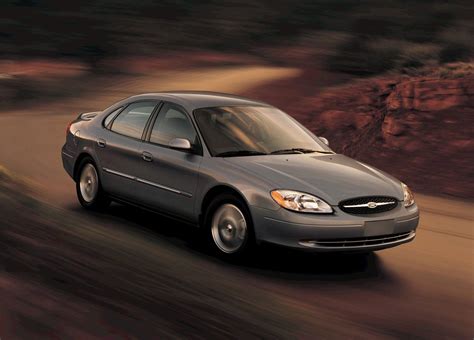
Image of a 2003 Ford Taurus
Is the Ford Taurus Reliable?
The Ford Taurus is reliable for a full-size sedan. RepairPal gives it a 4.0 out of 5, ranking it 6th out of 12 in its class. Owners spend around $697 per year on repairs, with unscheduled visits averaging just 0.2 times a year, and only an 11% chance of major repairs-all signs that the Taurus is built to last. Reliability does vary by model year. J.D. Power shows the 2010 Taurus scoring 84 out of 100, while the 2019 model scored 75. Years like 2013, 2015, and 2017 fall in the high 70s. Overall, the Taurus consistently performs well, especially when it’s well-maintained.
Resale value is another strong point. While sedans depreciate naturally, the Taurus generally holds value better than larger SUVs. Compared with something like the Ford Expedition, which can lose nearly 50% of its value in five years, the Taurus offers lower long-term costs and a more stable resale.
In short, the Ford Taurus is a dependable, practical sedan that combines reliability with reasonable ownership costs, making it a smart choice for long-term driving.
Read also: Engine Details: 2003 Taurus
Top 8 Common Problems in Ford Taurus Models
The Ford Taurus has been a dependable full-size sedan for many years, but like any long-running model, certain issues have consistently appeared across multiple generations. Understanding these problems helps owners maintain reliability, avoid costly repairs, and improve safety on the road.
1. Cracked Windshields and Defective Wipers
Some Taurus owners, particularly of the 2014 redesign, reported windshields cracking under cold weather conditions. Defective wipers and malfunctioning multiswitches also caused lights or wipers to operate incorrectly, affecting visibility and safety.
If your wipers behave unpredictably or you notice windshield stress, have a certified mechanic inspect it promptly. Upgrading to SEALIGHT LED headlights and exterior lights can enhance visibility and ensure reliable operation in adverse weather conditions.
2. Engine Issues
Engine concerns have been reported across multiple model years. The 2013 Taurus experienced engine stalls or temporary loss of acceleration due to faulty electronic throttle bodies. Older models from 1992-2011 frequently suffered from engine misfires caused by camshaft synchronizer assembly faults. Idle air bypass valve problems in 2001 and 2003 models could cause stalling or rough idling.
Typical Fixes:
Read also: Alternator Replacement Guide
- Throttle body replacement: $200-$800 plus labor
- Aftermarket camshaft synchronizer: $80-$160 plus labor
3. Gasket Leaks
Oil pan gasket leaks were common in 1990-2007, 2012, and 2014 models. Leaks can lead to oil seeping into the exhaust system, sometimes causing burning smells, rough idling, or even stalling.
Repair Cost: $15-$50 plus labor.
Prompt gasket repairs prevent further engine damage and keep your vehicle running smoothly.
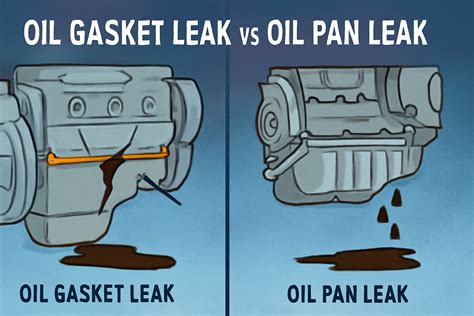
Example of an Oil Pan Gasket Leak
4. Transmission Failures and Long Crank Times
Transmission failure is most prevalent in 2003-2005 models, causing gear engagement issues and costly repairs. Long crank times were reported in 1995-2010 models, often linked to faulty camshaft position sensor magnets.
Read also: Comprehensive Guide: 2006 Ford Taurus Catalytic Converter
Repair Costs: Transmission repairs can run into thousands, while camshaft sensor replacements are less costly but critical for reliable operation.
5. White Smoke Emissions
Models from 1990-1994, 1997-1998, 2000, 2005, 2011, and 2013 were reported to emit white smoke from the exhaust due to blown head gaskets or cracked cylinder heads. Symptoms include frequent overheating and coolant top-ups.
Fixes:
- Head gasket replacement: $100-$300
- Cylinder head repair: $300-$600 plus labor
Prompt repairs prevent severe engine damage and maintain safe operation.
6. Water Pump Failures
Taurus models from 2011-2016, especially those with the 3.5L V6 engine, have been reported to experience water pump failures. The pump’s location inside the engine makes replacement labor-intensive and costly, with total repair costs potentially reaching $4,500.
7. Electrical and Fuel System Problems
The 2013 Taurus had reports of electrical system issues, including sudden loss of power steering assist, sometimes requiring a new power steering control module at around $2,700. A few 2019 models faced “crank but no start” problems, often tied to fuel pump failures, though these were less widespread.
8. Official Safety Recalls
Several Ford Taurus recalls highlight potential safety risks:
- 2011-2013: Electric power steering issues in ~423,000 vehicles could lead to sudden loss of power assist.
- 2013-2018: Rear suspension toe link fractures in over 211,000 vehicles, risking loss of control.
- 2013-2015: Faulty fuel pump control modules in 3.5L EcoBoost engines could cause engine stalls.
- 2017-2018: Ignition key could be removed when the transmission was not in park, increasing risk of unintended movement.
Recall repairs are typically free.
Real-World Ford Taurus Headlight & Fog Light Problems
Many Ford Taurus owners are frustrated with dim halogen headlights. Even premium bulbs like the SilverStar ZXE often don’t deliver the brightness drivers expect. On forums, some drivers even described night driving as unsafe, with high beams barely stronger than low beams.
Upgrading to HID or LED can help, but we’ve also seen cases where the extra current damaged connectors or caused flickering. Often, the real problem isn’t just the bulb-it’s corroded wiring, weak grounds, or worn relays cutting down voltage. Cleaning connections or re-grounding has solved dim light issues for many Taurus owners.
Should you choose LED or HID Bulbs? Everything you need to know!
When it comes to LEDs, projector housings usually handle the upgrade better than reflectors. Done right, they offer brighter, longer-lasting light without the yellow tint of halogen. But the key is using quality parts and making sure your electrical system is ready for it.
The smartest headlight upgrades start with the basics-clear lenses, solid wiring, and proper aiming. Once that foundation is set, upgrading to a Ford Taurus LED headlight bulb makes all the difference. SEALIGHT bulbs feature a true 1:1 halogen design for a precise beam pattern and CANBUS-ready technology to prevent flicker or error codes.
For Ford Taurus owners tired of dim, yellow headlights, SEALIGHT LEDs deliver the clarity and confidence you’ve been missing.
| Problem | Affected Model Years | Possible Solutions | Estimated Repair Cost |
|---|---|---|---|
| Cracked Windshields | 2014 | Windshield Replacement | $300 - $500 |
| Engine Stalls | 2013 | Throttle Body Replacement | $200 - $800 + Labor |
| Oil Pan Gasket Leaks | 1990-2007, 2012, 2014 | Gasket Replacement | $15 - $50 + Labor |
| Transmission Failure | 2003-2005 | Transmission Repair/Replacement | $1000s |
| White Smoke Emission | Various | Head Gasket/Cylinder Head Repair | $100 - $600 + Labor |
| Water Pump Failure | 2011-2016 | Water Pump Replacement | Up to $4500 |
| Dim Headlights | All Years | LED Headlight Upgrade, Wiring Check | $50 - $200 |