The experience of waking inside a dream, or dreaming within a dream, is called a False Awakening. False awakening dreams can be unsettling and confusing, leaving you feeling unsure of what’s real. Have you ever had a dream where you thought you had woken up, only to realise you were still dreaming? This disconcerting experience is known as a false awakening.
Normally this experience manifests itself as someone waking (while still in a dream) and going about their daily morning routine as if they were awake. After a false awakening, subjects often dream they are performing their daily morning routine such as showering or eating breakfast.
False awakenings, particularly those in which individuals dream they have awakened from a sleep that involved dreaming, take on aspects of a double dream or a dream within a dream. Let's delve deeper into the fascinating world of false awakening dreams, exploring their meaning, types, and potential causes.
False awakening dreams occur when you dream that you’ve woken up and started your day, only to later realise you are still dreaming. Sometimes, false awakening dreams are accompanied by sleep paralysis, where you feel awake but unable to move.
False awakenings can also be linked to the phenomenon of having a dream within a dream. In these cases, you may dream that you’ve woken up, only to find yourself in another dream. While it can feel like you’re stuck in a false awakening loop, you are not truly trapped. These experiences can be distressing, but they are a part of your dream state.
Read also: Spiritual Awakening Through Celibacy
Understanding false awakening dreams helps us think about what is happening physically to us as we dream. Research says that those who dream false awakenings are also more likely to experience other dream phenomena. This can include sleep paralysis, out-of-body experiences, and sleepwalking. These types of dreamers are often more lucid, with activity in the brain closer to a waking state than an asleep one.
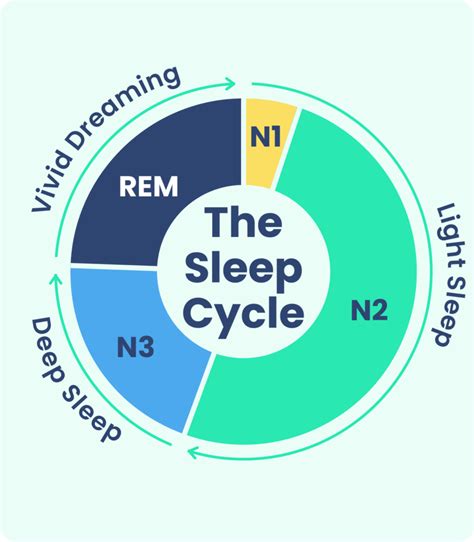
Understanding the sleep cycle can provide insights into dream phenomena.
The Spiritual Significance of False Awakenings
From a spiritual perspective, false awakening dreams can carry a deeper meaning. Spiritually, a false awakening dream is like a wake-up call about the illusion of our waking lives. Some believe these dreams represent a moment of spiritual awakening in your life. Just like in the dream, where you “wake up” but don’t really wake up, you could be on the brink of waking up to a new level of consciousness in your real life.
Others interpret these dreams as a wake-up call-literally and metaphorically. If you’ve been on autopilot, just going through the motions in life, false awakening dreams might be a nudge from your subconscious to pay more attention and become more present in your day-to-day activities. In some spiritual traditions, false awakening dreams are seen as a challenge to distinguish between illusion and reality.

Spiritual awakening can be symbolized by false awakening dreams.
Read also: Understanding Cold Sensations
Those who have false awakening dreams fairly often are likely to have strong ties to shadow energies. Shadow work is a practice that involves exploring and integrating the darker, unconscious aspects of oneself, known as the “shadow.” Coined by psychiatrist Carl Jung, the shadow represents the parts of our personality that we often try to repress. This can include our fears, insecurities, and negative impulses.
False awakening dreams may aim to bring these hidden aspects into the light of consciousness. By facing the shadows head-on, we can understand, accept, and integrate traits we may have previously deemed negative. This makes it possible to achieve greater self-awareness, emotional healing, and personal growth.
Dream Expert: “If You Dream Like This, DON’T Ignore It!” – It’s Trying To Tell You Something BIG
Types of False Awakening Dreams
False awakening dreams come in various forms, each offering a different experience and meaning. Here are some common scenarios:
- False Awakening Loops: This is the “Groundhog Day” of false awakening dreams. You wake up, start your day, and then wake up again-only to find yourself still dreaming. The loop can repeat itself multiple times, leaving you feeling trapped in a cycle of false awakenings.
- Subtle Oddities: In this version, you wake up, and everything seems normal, but then you notice small details that feel off. Maybe the furniture is in the wrong place, or the clock shows strange symbols instead of numbers.
- The "Late for Work" Scenario: If you’re stressed about missing an important event or oversleeping, you might experience a false awakening that mirrors this anxiety. You dream of waking up in a rush, only to discover it was just a dream.
- Dream Within a Dream (Inception): This one’s like the movie Inception-you dream within a dream. You wake up, think you’re awake, but then wake up again, realizing that the previous “wake-up” was also part of the dream.
Potential Causes of False Awakening Dreams
Understanding the causes of false awakening dreams can help you address them more effectively.
- Stress and Anxiety: High levels of stress and anxiety can affect your sleep patterns and increase the likelihood of false awakenings. When your mind is preoccupied with worries, it can manifest in your dreams, leading to more complex and vivid dream scenarios.
- Sleep Disorders: Certain sleep disorders, such as insomnia or narcolepsy, can increase the frequency of false awakenings. These conditions disrupt normal sleep cycles, making it easier for false awakenings to occur. For instance, narcolepsy can cause sudden transitions between wakefulness and sleep, leading to confusing dream states.
- Inconsistent Sleep Schedules: Inconsistent sleep schedules can also contribute to false awakening dreams. When your body doesn’t have a regular sleep routine, it can struggle to maintain a stable sleep cycle, leading to more fragmented and vivid dreams.
- Substance Use: The use of certain substances, such as caffeine, alcohol, or recreational drugs, can impact your sleep quality and increase the likelihood of false awakenings. These substances can interfere with the natural sleep cycle, leading to more vivid and fragmented dreams.
- Medications: Certain medications, particularly those affecting the central nervous system, can influence your dream patterns. Antidepressants, beta-blockers, and some sleep aids can alter the structure of your sleep, sometimes resulting in more vivid and complex dreams.
- Poor Sleep Environment: A poor sleep environment, such as an uncomfortable bed, too much light, or excessive noise, can contribute to disturbed sleep and false awakening dreams. An environment that doesn’t promote restful sleep can lead to more frequent awakenings throughout the night, some of which may be false awakenings.
- Lucid Dreaming Practices: People who practise lucid dreaming, or the ability to become aware and take control of their dreams, may experience false awakenings more frequently. This is because the act of trying to become conscious within a dream can sometimes lead to confusion between the dream state and waking state.
Interpreting the Meaning of False Awakening Dreams
Now that we’ve covered the basics, let’s dig into what your false awakening dreams might be trying to tell you. Interpreting the meaning of false awakening dreams can be challenging, as they can be influenced by various factors in your waking life.
Read also: Illuminating Quotes for Your Spiritual Journey
- Unresolved Issues: False awakening dreams might indicate that you have unresolved issues or concerns that need attention. These dreams can serve as a reminder to address certain aspects of your life that you may be neglecting.
- Desire for Control: These dreams might also reflect a desire for control in your life. Feeling trapped in a false awakening loop or unable to wake up from a dream can symbolise a sense of helplessness or a need to take charge of your circumstances.
- Stress and Anxiety: False awakening dreams often mirror the anxiety and stress present in your waking life. When you experience high levels of stress, your mind continues to process these emotions during sleep, leading to more vivid and intense dreams.
- Significant Life Changes: Sometimes, false awakening dreams occur during periods of significant change or transition. These dreams can symbolise your mind's way of processing and adapting to new situations.
- Monotony and Dissatisfaction: The repetitive nature of false awakenings might point to monotony or dissatisfaction with your daily routines. If you find yourself going through the motions without much variation or excitement, these dreams could be highlighting your need for change or a break from the mundane.
- Personal Growth: On a more positive note, false awakening dreams can sometimes symbolise personal growth and self-awareness. They may indicate that you are on the brink of a breakthrough in understanding yourself better or resolving long-standing issues.
- Lucid Dreaming Practice: If you practice lucid dreaming or are trying to become more aware within your dreams, false awakenings can be a part of this process. These dreams might be your mind's way of testing your awareness and control within the dream state.
Coping Strategies for False Awakening Dreams
You’ve had a false awakening dream (or ten). Now what? Fortunately, there are several strategies you can employ to manage and potentially reduce the occurrence of these dreams:
- Keep a Dream Journal: Write down your false awakening dreams as soon as you wake up.
- Practice Reality Checks: Get into the habit of doing reality checks throughout the day, like looking at your hands, trying to read something, or checking the time.
- Set a Clear Intention Before Sleep: Tell yourself that you’ll recognize when you’re dreaming before going to bed.
- Talk About It: Share your experiences with friends, family, or even online dream communities.
- Maintain a Consistent Sleep Schedule: Maintaining a consistent sleep schedule can help regulate your sleep cycles and reduce the likelihood of false awakenings.
- Practice Stress-Reducing Techniques: Practising stress-reducing techniques such as meditation, yoga, or deep breathing exercises can help calm your mind before bed.
- Optimize Your Sleep Environment: Ensure your bedroom is conducive to good sleep. Keep the room cool, dark, and quiet, and consider using a white noise machine if necessary.
- Incorporate Reality Checks: Incorporating reality checks into your daily routine can help you become more aware of when you’re dreaming. Throughout the day, ask yourself if you’re awake and perform simple checks, such as looking at your hands or trying to read a piece of text.
- Good Sleep Hygiene: Good sleep hygiene practices can also reduce the occurrence of false awakening dreams.
The Role of Dream Analysis
False awakening dreams are generally harmless, even if they can be unsettling. Dream analysis readings can be an excellent tool for understanding false awakening dreams and what they might reveal about your life. Think of a dream analyst as a guide through the mysterious world of your subconscious, helping you unpack the layers of meaning hidden within your dreams.
Dream analysts can help you identify recurring patterns in your false awakening dreams and decode any significant symbols. Connecting your dreams to your waking life can shed light on personal challenges or aspirations, offering fresh perspectives. Additionally, many dream analysts can teach techniques like lucid dreaming, giving you more control over your dreams.

Dream analysis can help uncover the meaning of your dreams.
While disorienting, false awakening dreams can offer valuable insights into your subconscious mind and even your waking life. These dreams may reflect stress, hidden fears, or significant decisions you’re grappling with or signal a need for personal transformation.