Making decisions about home systems - whether it’s an upgrade, replacement, or maintenance - should never be rushed. Especially when it comes to your thermostat, it’s easy to assume that any model will work with your current HVAC system. So, how can you tell if your thermostat is compatible with your HVAC system?
Your thermostat is the command center for your heating and cooling system. It controls when your furnace or air conditioner turns on, how long it runs, and the temperature your home maintains. Whether you’re looking at upgrading to a smart thermostat or sticking with a more basic model, thermostat compatibility should be the first thing you consider.
Upgrading or replacing your thermostat is a smart way to improve your home's energy efficiency and comfort. When upgrading your thermostat, determining the compatibility between your HVAC system and the thermostat is critical.
How to Choose the Right Thermostat
Understanding HVAC Systems
Before you head out to buy a new thermostat, take a moment to assess your current system. Not all thermostats work with all HVAC systems.
Read also: Backcountry Biking in Utah
The first step in determining compatibility is identifying the type of HVAC system you have:
- Single-Stage Systems: These systems either run at full capacity or turn off completely.
- Two-Stage or Multi-Stage Systems: If you have a multi-stage system, your HVAC unit can operate at different speeds, providing more efficiency and comfort.
- Dual Fuel Systems: A dual fuel system uses both a heat pump and a gas furnace.
- Heat pump systems: These systems are unique in that they can provide both heating and cooling. However, heat pumps require a specific thermostat that can control the reversing valve. This valve allows the system to switch between heating and cooling modes, depending on the season.
- Gas furnaces: If your home has a gas furnace, you’ll need a thermostat that can manage heating, and possibly cooling if you also have an air conditioner.
- Air conditioners: Standalone air conditioning systems are fairly simple in terms of thermostat compatibility. As long as the thermostat can control cooling, it should work with your system.
Thermostats work with different voltage systems, so it’s important to know which one you have. Low voltage systems are the most common for residential HVAC units. In most homes, the HVAC system is a low-voltage system that operates on 24 volts. These systems use low-voltage wiring, which is standard for residential thermostats.
Your HVAC system-whether it’s a heating system, cooling system, or heat pump-is controlled by your thermostat. The thermostat communicates with your HVAC system through a series of low-voltage wires that tell the system when to turn on or off, depending on the temperature settings.
Types of HVAC systems include:
- Heating-only systems.
- Cooling-only systems.
- Heating and cooling systems.
- Heat pumps. A heat pump provides both heating and cooling, making it a versatile option for homes in moderate climates.
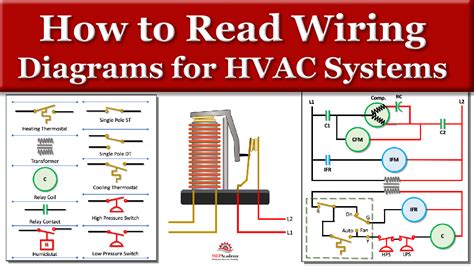
Understanding Thermostat Wiring
Another way to determine thermostat compatibility is by looking at the wiring on your current thermostat. When you remove the thermostat faceplate, you’ll see a series of wires that connect it to your HVAC system.
Read also: 1151 to 1200 Cooler Adapters
Thermostat wires are typically color-coded to help homeowners and professionals identify their functions. Thermostat wires are crucial, as these wires send signals from the thermostat to your heating and cooling systems. Each wire controls specific functions, such as turning on the furnace or running the air conditioner.
Here's a breakdown of common thermostat wires:
- Red wire (R wire or Rh wire): The red wire delivers 24 volts of power from the HVAC system’s transformer to the thermostat.
- Green wire (G wire): The green wire controls the fan or blower motor.
- White wire (W wire): This wire controls the heating system.
- Yellow wire (Y wire): The yellow wire is used for cooling.
- Blue wire (C wire): Also known as the common wire, the C wire provides continuous power to the thermostat.
- Orange wire (O/B wire): For example, if you have a heat pump, the thermostat wiring will include connections that tell the system when to switch between heating and cooling modes. If you have a traditional gas furnace and air conditioner, the thermostat wiring will be configured differently to accommodate these systems.
While most thermostats use color-coded wires, it’s always a good idea to double-check your system’s wiring diagram to ensure that each wire is connected correctly. Some systems may use different wire colors, and older systems might not have a C wire, which can affect the compatibility of smart thermostats.
Wire Setups: Thermostats can have a variety of wire setups, depending on how complex your HVAC system is. The more wires you see, the more advanced your system might be.
The Importance of the C Wire
The C wire, or common wire, is one of the most important wires to understand when upgrading to a smart thermostat. Unlike older thermostats, which only needed power when adjusting the temperature, smart thermostats require constant power to stay connected to Wi-Fi, run their display screens, and process data.
Read also: Sagittarius Relationships
Many modern thermostats, especially smart thermostats, require a “C” wire, also known as a common wire, for continuous power. If your current thermostat is older, it may not have a C wire, which can be an issue if you’re upgrading to a smart thermostat.
Before upgrading to a smart thermostat, it’s important to check your existing thermostat wiring to see if you have a C wire. If you don’t, a C wire adapter can be installed, or in some cases, an HVAC professional can run a new wire to provide power.
Smart Thermostats: Features and Compatibility
Smart thermostats offer advanced features like Wi-Fi connectivity, remote control via smartphone, and smart home integration. However, they also require specific wiring-particularly a C wire for constant power.
Wi-Fi Connectivity: Most smart thermostats connect to your home’s Wi-Fi, allowing you to control your HVAC system from your phone. However, you’ll need to check if your Wi-Fi signal is strong enough in the location where your thermostat is installed.
Smart thermostats are more than just digital temperature controllers - they’re intelligent systems. With proper installation, they can adjust your home’s heating and cooling based on your habits and preferences, all while saving energy. Plus, since they connect to the internet you can manage your home’s climate remotely from anywhere in the world.
Smart thermostats are an excellent addition to a home automation ecosystem, offering the following benefits:
- Energy Efficiency: Smart thermostats adjust the temperature based on your habits and schedule, reducing energy usage when you’re not home, thus saving energy.
- Cost Savings: By optimizing energy use, smart thermostats can significantly reduce your utility bills, leading to substantial long-term savings.
- Extended HVAC Lifespan: By reducing unnecessary strain on your HVAC system through intelligent control, smart thermostats can help extend the lifespan of your system.
- Adaptability: Smart thermostats can adapt to changes in your routine, weather conditions, and even integrate with other smart home devices for a more connected and efficient home.
- Maintenance Reminders: Some smart thermostats provide reminders for regular maintenance tasks like changing air filters, which can improve the efficiency and longevity of your HVAC system.
- Comfort: With smart thermostats, your home temperature will always be optimized for your comfort, increasing the overall quality of living.
- Remote Thermostat Control: The ability to control the HVAC system remotely gives users the flexibility to adjust settings from anywhere, ensuring their home is comfortable upon arrival.
- Data Insights: Smart thermostats provide detailed energy usage reports, helping homeowners understand their consumption patterns and make necessary adjustments for increased efficiency.
Energy Savings: Smart thermostats are great for improving energy savings. They allow you to program specific temperature settings based on your daily schedule, and some can even learn your preferences over time.
Compatibility With Older Systems: If you have an older HVAC unit, not all smart thermostats may work.
Troubleshooting Common Issues
Even after identifying your thermostat wires and choosing a compatible thermostat, you may run into issues with your HVAC system.
Common issues include:
- Missing C wire: One of the most common issues homeowners face when upgrading to a smart thermostat is the lack of a C wire. If your system doesn’t have a C wire, the thermostat may not function properly or at all.
- Incorrect wiring configuration: Another common issue is miswiring, which can cause the thermostat to fail in controlling certain functions, such as heating or cooling. Double-check the wiring diagram and make sure each wire is connected to the correct terminal.
- Voltage issues: Most residential HVAC systems are low-voltage (24 volts), but some homes may have line voltage systems that aren’t compatible with standard thermostats.
If you’re unsure about compatibility or troubleshooting, many thermostat manufacturers offer online compatibility checkers to help determine if the thermostat will work with your system. Before purchasing a new thermostat, it’s a good idea to consult a compatibility checker to ensure that the thermostat works with your existing HVAC setup and learn what upgrades you might need if not.
Professional Installation
Thermostat installation can be tricky, especially if your HVAC system is complex or you’re dealing with advanced features like heat pumps or smart thermostats.
Consider these factors:
- Heat pump systems: Heat pumps require specific wiring for the reversing valve, and auxiliary heating may also be a factor.
- Systems with additional components: If your HVAC system includes a humidifier, dehumidifier, or auxiliary heat, the wiring can become more complicated.
- No C wire: Professional installation not only ensures proper wiring but also gives you peace of mind knowing that your system is functioning efficiently and safely.
However, as helpful as this guide is, it's important to note that professional installation is highly recommended. If you're purchasing a thermostat as part of a Vivint smart home system, professional installation is included with your system.
Even with a compatible thermostat, improper installation can lead to more headaches. While some thermostats are easy to install yourself, others, especially programmable thermostats, and smart models, may require professional installation.
The Importance of Compatibility
Even if you don’t plan on upgrading your thermostat, you might already be dealing with compatibility issues without realizing it.
System Short Cycling: This is when your HVAC system turns on and off in short bursts without completing a full heating or cooling cycle.
Making sure your thermostat is compatible with your HVAC system will save you from unnecessary stress and keep your home comfortable year-round. Identifying thermostat wires and determining system compatibility is crucial when upgrading or replacing your thermostat. By understanding your HVAC system type, identifying the wires in your current setup, and ensuring your new thermostat is compatible, you can make the transition smoothly.
So, is your thermostat compatible with your HVAC system? Determining the answer to this question can be a bit of a puzzle. If you’re unsure about whether your thermostat is compatible with your heating or cooling systems, or you need help with installation, professional assistance is recommended!
Smart Thermostat Selection Guide
When choosing a smart thermostat for your HVAC system, consider the following:
| Feature | Description |
|---|---|
| Wi-Fi Connectivity | Allows remote access and control. |
| Learning Features | Adjusts settings automatically based on your habits. |
| Energy Usage Reports | Provides detailed consumption data. |
| Integration with Other Devices | Ensures seamless operation with other smart home devices. |
| User-Friendly Interface | Easy to use on the device and in its mobile app. |
| Geofencing Capabilities | Adjusts temperature based on your smartphone’s location. |
| Voice Control | Supports voice assistants like Alexa or Google Assistant. |
tags: #hvac #system #compatibility