People know the Mahamrityunjaya mantra as the "Great Death-conquering mantra," but its significance is far beyond this simple translation. This 32-syllable sacred verse stands as the heart of the Vedas and shows us a path to inner peace, strength, and prosperity. The ancient mantra opens doors to spiritual growth, mental clarity, and emotional balance. Scientific studies prove its ability reduces anxiety, sharpens concentration, and boosts overall well-being.
This piece will guide you through the deep meaning, scientific benefits, and practical ways to use the Mahamrityunjaya mantra daily.
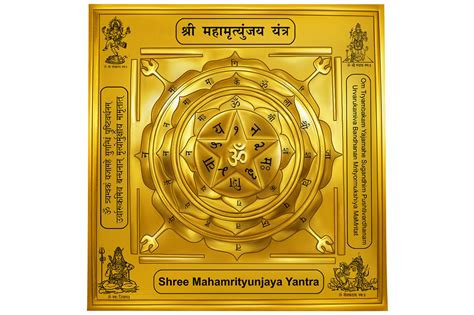
Mahamrityunjaya Yantra
Origin and Historical Significance
Mahamrityunjaya: Ancient prayer of healing and immortality from the Rigveda.
The Mahamrityunjaya mantra comes from the Rigveda (RV 7.59.12) and is one of the most sacred verses in Hindu spirituality. This powerful prayer, also called the Rudra Mantra or Tryambakam Mantra, appears in three major Vedic texts: the Rigveda, Yajurveda, and Atharvaveda.
Read also: Home Celebration: Maha Shivaratri
Sacred narratives tell us different stories about the mantra's origins. The most famous story revolves around sage Markandeya, who got this mantra directly from Lord Shiva. Markandeya was a child with a short life ahead. His devotion and continuous chanting of this mantra touched Lord Shiva, who blessed him with immortality.
There's another story about Shukracharya, the spiritual master of demons. Lord Shiva taught him this mantra as Sanjeevani Vidya - the art of bringing the dead back to life.
Maha Mrityunjaya Mantra Lyrics in Sanskrit and English
Sanskrit:
ॐ त्र्यम्बकं यजामहे सुगन्धिं पुष्टिवर्धनम् |
उर्वारुकमिव बन्धनान्मृत्योर्मुक्षीय माऽमृतात् ||
English:
Read also: Benefits of Chanting the Maha Mrityunjaya Mantra
Aum Tryambakam yajaamahe sugandhim pushtivardhanam |
Urvaarukamiva bandhanaan-mrityormuksheeya maamritaat ||
Значение Махамритьюнджая мантры
Understanding the Mahamrityunjay Mantra's Core Essence
Word-by-Word Meaning Analysis
Each syllable of the Sanskrit verse holds a significant meaning:
- Tryambakam: Shows the three-eyed one, representing Lord Shiva's power to foresee past, present, and future
- Yajamahe: Shows worship and complete surrender
- Sugandhim: Points to the divine fragrance of spiritual essence
- Pushtivardhanam: Highlights how the divine keeps people fed
- Urvarukamiva: Compares spiritual freedom to a cucumber naturally falling from its vine
The Three-Eyed Lord Symbolism
The mantra's mention of Tryambaka (three-eyed one) shows Lord Shiva's all-knowing nature. His third eye represents intuition and insight. This helps devotees stay connected with everyday life while strengthening their spiritual awareness. So when this third eye opens through devoted practice, people notice life's sacred nature. This changes their view of the world and helps them understand life's deeper meaning.
The Science Behind Mantra's Transformative Power
Mantra chanting rewires your brain, heals your body, and calms your mind.
Modern science has shown some amazing things about how mantra chanting changes our brain and body. New studies that use advanced brain imaging have found big changes in brain activity when people chant mantras.
Read also: Celebrating Maha Shivaratri
Sound Vibrations and Brain Waves
When people chant mantras rhythmically, their brains create specific wave patterns. EEG studies show that mantra recitation gets the brain to produce several helpful wave patterns:
- Alpha waves: Make you relaxed and mentally clear
- Theta waves: Help you meditate deeply
- Delta waves: Help your body heal and restore
Research shows that people who chant mantras have lower heart rates, blood pressure, and stress hormone levels. These body changes activate the parasympathetic nervous system, which calms people down.
Psychological Impact Studies
Science has shown some remarkable mental benefits from mantra practice. A breakthrough study found that people who chanted mantras regularly felt less anxious and stressed, and their heart rates became more stable. Brain scans show that chanting creates special patterns of brain connections, especially in the prefrontal cortex - the part that helps control emotions.
Neurological Benefits of Sanskrit Chanting
MRI studies of Sanskrit scholars found their brains had 10% more gray matter in both halves. Their right hippocampus grew significantly, which helps with memory and seeing patterns.
Research at the National Brain Research Center showed that regular mantra recitation boosts brain functions, especially memory and focus. These findings align with studies that found thicker brain regions linked to attention and speech processing.
Studies show that mantra chanting releases feel-good brain chemicals like serotonin and dopamine. This practice shows real promise in protecting brain health, and research suggests it might help stop or slow down dementia-related conditions.
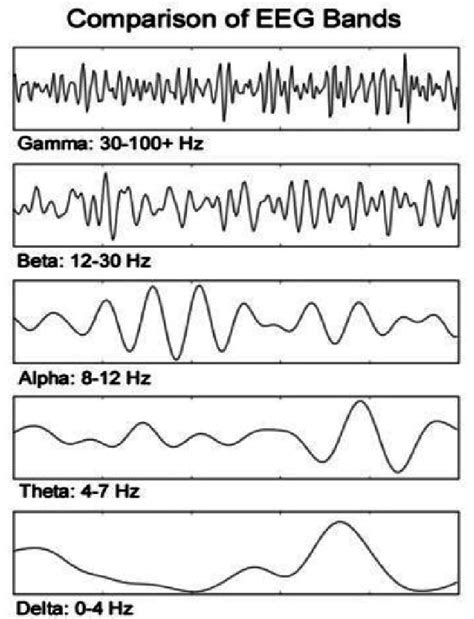
EEG frequency bands and associated mental states
Chant Mahamrityunjaya Mantra: Calm stress, boost peace
The Mahamrityunjaya mantra practice provides powerful ways to deal with life's challenges. Research shows it boosts mental and emotional health in many ways.
Stress and Anxiety Reduction
When you chant this sacred verse rhythmically, your nervous system changes in measurable ways. Studies show that regular practice helps balance your stress hormones and calms your nervous system. The mantra's vibrations help you reach a deep state of relaxation, leading to lower anxiety levels.
Clinical observations show these stress-reduction benefits:
- Lower heart rate and blood pressure
- Better emotional balance and calmness
- Better sleep patterns
- Fewer physical signs of anxiety
Enhanced Focus and Clarity
Boost focus, resilience, and mental clarity with the mantra.
The mantra's effects go beyond simple concentration. Research shows that people who practice it have better cognitive functions and make sharper decisions. Students who chant the mantra show better focus in their studies.
A software engineer in Bangalore significantly improved his work efficiency and mental sharpness after he made the mantra part of his daily routine. His results match the broader research that shows better cognitive performance in regular practitioners.
Building Mental Resilience
Mental resilience strengthens with consistent practice, helping you thrive in modern life. The mantra enables you to overcome negative feelings like jealousy and anger. It also builds your emotional strength to handle life's challenges more comfortably.
Clinical studies show that regular chanters develop:
- Better ways to handle difficult emotions
- The strength to recover from setbacks
- Stable emotions during stressful times
Healthcare workers who use this practice see unique benefits in their professional lives. They report having "an infinite reserve of energy" that helps prevent burnout while maintaining their healing abilities.
Most Powerful Method to Chant Mahamrityunjay Mantra In Raganuga Bhakti
In Raganuga Bhakti, chanting is not just a mechanical process but an intimate expression of love and devotion toward the Divine. The foundation of effective mantra chanting lies in surrender, heartfelt longing, and cultivating the right inner mood (bhav). While pronunciation is important, the essence of chanting is to connect deeply with the divine vibrations and imbue your chanting with love and devotion.
Proper Chanting Techniques in Bhakti
Chant with Bhav & Focus: Connect, Surrender, and Flow
- Start with Bhav (Divine Emotion): Mentally visualize and connect with your Lord Shiva before chanting. Let your heart be immersed in longing and divine love.
- Focus on Surrender: Chant with the understanding that you seek Mahadev's grace and guidance. Each word of the mantra should resonate with humility and submission.
- Practice the Mantra Slowly: Begin by chanting slowly, focusing on each syllable with love and devotion.
- Internalize the Rhythm: Allow the mantra's natural rhythm and melody to align with your breath, creating a seamless flow of devotion. Make it a heartfelt offering rather than a mechanical recitation.
- Chant with Attention (Ekagrata): Keep your mind focused on the name and form of God. Avoid distractions and remind yourself of the spiritual power contained within each syllable.
Devotional Pronunciation Guidance
While accurate pronunciation enhances the vibrational energy of the mantra, Raganuga Bhakti emphasizes mood over perfection. However, to respect the sacredness of the mantra:
- Focus on resonating each syllable with love, ensuring it flows from your heart, not just your lips.
- Understand that the mantra's energy lies in your devotion (bhakti). For instance, rather than over-focusing on technical details like whether to say 'Bandhanaan' or 'Bandhanaat,' focus on chanting with a deep yearning to bind God in the ropes of your love.
Remember, chanting is not about performance but awakening your dormant love for God. As Jagadguru Shree Kripaluji Maharaj says, “Chant with the bhaav that your Beloved Lord is listening to you.” When your heart cries out with sincerity and longing, the Divine responds. Chant every syllable with the joy and devotion of a soul reunited with its Eternal Beloved.
Recommended Practice Times
Chant with devotion: 11, 27, or 108 repetitions.
Brahma Muhurta - about one and a half hours before sunrise - works best for chanting. The early morning period makes the mantra more potent due to higher spiritual energy. Your chanting schedule can include:
- 11 repetitions for simple practice
- 27 repetitions for intermediate level
- 108 repetitions for advanced practice
Quality and devotion matter more than quantity in chanting. Consistent practice helps you build a stronger connection with the mantra's essence.
Creating Sacred Space for Practice
A dedicated space will improve your practice results. Here's how to create the perfect environment:
Pick a quiet, clean area facing east or north. Clean the space well and remove distractions. Your sacred space needs:
- A comfortable seat (preferably Kusha Asana)
- Lord Shiva's idol or image
- A lit diya (lamp)
- Incense for purification
Turn off electronic devices to avoid disturbances. A sacred practice space amplifies the mantra's transformative effects without doubt. A Rudraksha mala (prayer beads) helps track your repetitions for the best results.
Integrating the Mantra into Daily Routine
A regular practice routine makes the Mahamrityunjaya mantra's transformative effects more powerful. The right timing and modern tools, combined with a well-laid-out approach, build a strong foundation for spiritual growth.
Morning Practice Protocol
Chant at Brahma Muhurta for deeper spiritual connection.
Brahm Muhurat - about one and a half hours before sunrise - is the most powerful time to practice the mantra. This sacred time holds special meaning because it matches nature's heightened spiritual energies. These essential morning steps will help you get the most benefits:
- Wake before sunrise
- Take a purifying bath
- Wear clean, light-colored clothes
- Light a diya near Lord Shiva's idol
- Use a Rudraksha rosary for counting
- Sit on Kusha Asana facing east
You should start with 11 repetitions. Your practice works best when you keep your awareness at the heart center or brow chakra. A peaceful environment without distractions will help you connect deeply with the practice.
Combining with Meditation
Deepen your practice with mantra chanting and meditation.
When combined, mantra chanting and meditation create a powerful combination. Start by calming your breath and centering your awareness. Pay close attention to each word during your session and notice where you feel the sacred sound's vibrations in your body.
These techniques can make your practice deeper:
- Silent mental repetition
- Whispered chanting
- Full-voiced recitation
Many practitioners say they feel deep stillness after completing their practice. Research shows that meditation with mantra chanting improves the benefits of both practices.
Using Technology for Practice Support
Modern technology gives us great tools that support mantra practice. Digital apps and online platforms offer:
- Accurate pronunciation guides
- Practice tracking capabilities
- Timing assistance
- Community support
Recorded versions of the mantra can help you maintain proper rhythm and pronunciation. All the same, technology should support your practice without taking away from its sacred nature.
Advanced practitioners who want a deeper commitment can track their progress toward 8,000 repetitions over 40 days. This intensive practice includes:
tags: #maha #mrityunjaya #mantra