The emotions of Hindus are deeply connected with religious beliefs and traditional customs during this time. Fasting during Maha Shivaratri is significant as it represents self-control and spiritual cleanliness. Devotees often abstain from food, consuming only certain vegetables in minimal quantities. After a day of fasting, fruits and other fasting-approved foods are eaten to complete the fast. Staying hydrated is crucial, and the choice of what to eat after the fast is equally important.
The customary food offering prepared for the Lord (prasadam) is planned in such a way that it agrees with the system of the fasting devotee when the fast is eventually broken. Usually, a fast should not be broken by consuming a rich and heavy food, because it takes a little time for the system to get accustomed to food after a long gap.
Here, we explore a variety of Prasadam recipes suitable for Maha Shivaratri, including different types of kheer and other traditional dishes.
Kheer Recipes for Maha Shivaratri Fasting
Kheer, an Indian favorite dessert made with milk, rice, grains, and nuts, plays a significant role in Maha Shivaratri celebrations. It is often distributed as ‘Prasadam’ after prayers in temples, symbolizing sweetness and prosperity.
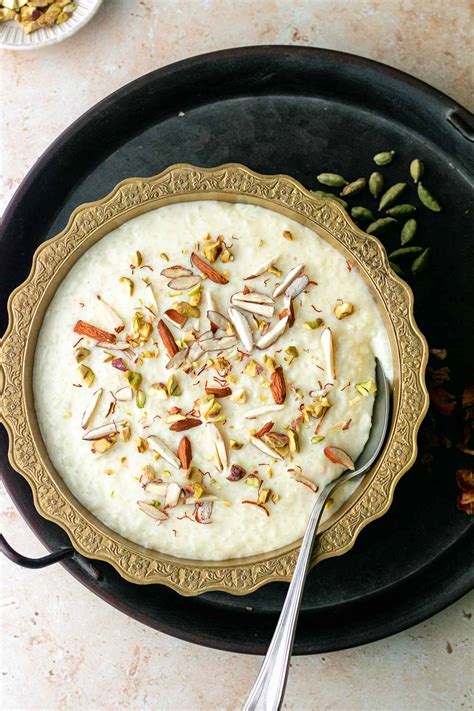
1. Quinoa Kheer
Quinoa, a protein-rich grain, serves as an excellent substitute for rice when making kheer. Wash the quinoa thoroughly and cook it with milk until softened. Sweeten with natural jaggery or honey and add a hint of cardamom for flavor. Quinoa provides essential nutrients, making this kheer a delicious and healthy dessert for a fasting day.
Read also: Home Celebration: Maha Shivaratri
2. Oats and Dates Kheer
For a high-fiber option with a smooth, sweet taste, try oats and dates kheer. Cook oats in milk until soft, then add softened dates for sweetness. Dates are a great source of energy and vital minerals, while oats provide sustained energy release. Garnish with nuts for added texture and nutrition.
3. Sabudana Kheer
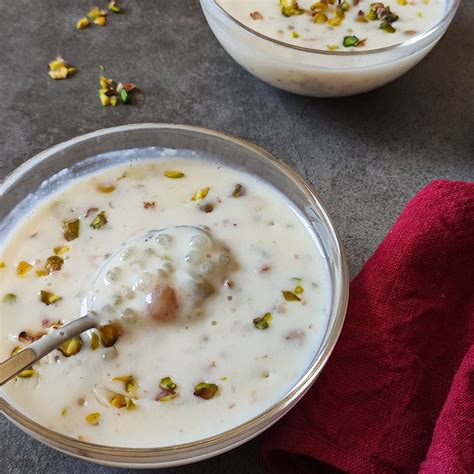
Sabudana (sago) is a popular choice during fasting days due to its versatility and quick cooking time. Cook the sabudana in milk until translucent, then sweeten with sugar or honey. Add a pinch of saffron for flavor and sprinkle with crushed nuts like pistachio, cashew, and almonds. Sabudana is easily digestible and provides an instant energy boost during the fast.
4. Coconut Milk Kheer
Use coconut milk as a rich and flavorful base for kheer. Combine coconut milk with soaked rice until the rice is soft, then sweeten with jaggery or maple syrup. Coconut milk is high in nutritious fats. Top with ground coconut for added texture and flavor. Add some nuts and seeds and enjoy the festival.
5. Almond and Millet Kheer
Simmer millet and almonds in milk until tender. Add almond flour for enhanced flavor and richness. Sweeten with honey or maple syrup instead of sugar. Finish with a hint of cinnamon. Almonds are rich in antioxidants and healthy fats, making this a wholesome and satisfying option after fasting.
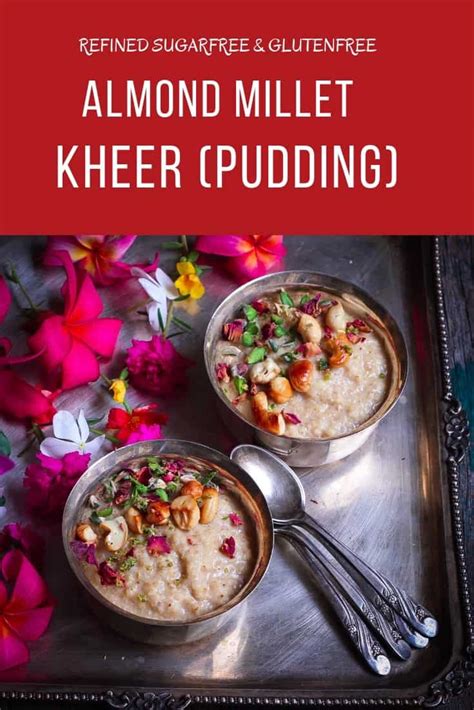
These kheer recipes offer a delightful way to observe fasting traditions during Maha Shivaratri while ensuring a healthy and tasty culinary experience.
Read also: Benefits of Chanting the Maha Mrityunjaya Mantra
Other Traditional Recipes for Maha Shivaratri
Kali Prasadam
Kali Prasadam is a popular dish in Tamil Nadu, traditionally prepared with rice and dal in jaggery syrup and ghee. This dish is often associated with the Arudra Nakshatram and is offered as Prasadam during the marriage of Nataraja and Kama Sundari. To make authentic Kali Prasadam, it is crucial to follow the measurements carefully. The syrup should be of thin consistency to allow the boiled rice to absorb it easily. The key to this dish is slow cooking and gradually adding ghee until it achieves a lovely golden color. The measures of fresh coconut and ghee should be equal to the measure of rice.
Thandai
Mahashivratri prasaadam| How to make thandai shivratri & Holi special|
Thandai, typically associated with Holi, is also offered to Lord Shiva as Prasad on Maha Shivaratri, excluding bhang. Made with nuts and spices, this drink acts as a coolant for the body as winter fades and summer begins.
Additional Recipes
- Hurigadale Tambittu: Prepared using roasted gram, jaggery, and desiccated coconut.
- Avalakki Payasa: Made with thick beaten rice, milk, ghee, and sugar.
- Mosaru Avalakki: Prepared using thick beaten rice, curd, ginger, and spices.
- Gatti Avalakki Oggarane: A simple version of avalakki recipe.
- Gojjavalakki: A Bangalore and Mysore style recipe using thick beaten rice, rasam powder, jaggery, tamarind, salt, and coconut.
- Avalakki Unde: Poha ladoo prepared using beaten rice, sugar, desiccated coconut, and ghee.
- Hesarittina Unde: Mung dal ladoo prepared using split green gram, sugar, and ghee.
- Rave Payasa: Rava kheer prepared using semolina, milk, and sugar.
- Akki Thambittu Unde: Rice flour ladoo prepared using rice, jaggery, roasted gram, peanuts, and desiccated coconut.
- Besan Ladoo: Prepared using gram flour, sugar, and ghee.
- Gasagase Payasa: Poppy seeds kheer, popular in Karnataka.
- Sihi Avalakki: Sweet poha, generally distributed in temples.
- Avalakki Upkari: Avalakki oggarane recipe.
- Thelu Avalakki: Thin poha snacks prepared using thin beaten rice.
- Sabakki Payasa: Sago kheer prepared using sabudana, milk, and sugar.
- Thambittu Unde: Rice flour ladoo prepared using rice, jaggery, and desiccated coconut.
- Malnad Style Huli Avalakki: Masala or gojju prepared by boiling salt, jaggery, and tamarind.
- Hesaru Bele Payasa: Mung dal kheer prepared using green gram dal, cucumber, and coconut milk.
- Mangalore Style Huli Avalakki: Also known as "kayi sasuve avalakki" or "chithranna bajji avalakki".
- Peanut Laddu: Prepared using ground nuts, jaggery, desiccated coconut, and sesame seeds.
- Rave Unde: Prepared using semolina, sugar, desiccated coconut, and ghee.
- Spicy Kadle Usli: Prepared using black chickpeas.
- Fried Gram Laddu: Prepared in North Karnataka.
Tips for Fasting and Preparing Prasadam
During Maha Shivaratri, fasting helps cleanse the body and mind. The payasam peps up the devotee with instant positive energy as it has the sweet jaggery in it. The payatham paruppu (mung dal) is easily digestible and replenishes the body with proteins. Beaten rice is very easily digestible.
When preparing payasam:
- Add 4 cups of water and allow the dal to cook just enough, without becoming mushy. Add more water if required.
- You can vary the quantity of milk as per your preference.
- Store-bought jaggery may at times have some impurities.
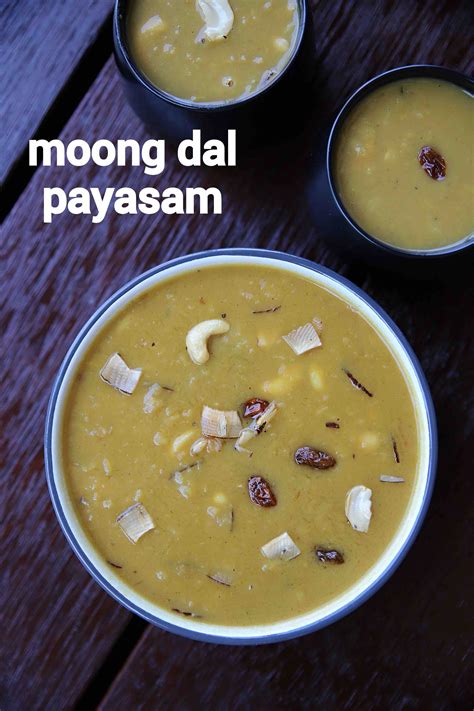
Offer the payasam to Lord Neelakanta ('the blue-throated one' - another name for Lord Shiva) so that it can cool down HIS throat, where He benevolently holds the scorching poison, thus saving the universe.
Read also: Celebrating Maha Shivaratri
These recipes provide a variety of options for observing Maha Shivaratri with devotion and delicious offerings.
tags: #maha #shivaratri #prasadam