The sacral chakra, also known as Svadhisthana, is the second primary chakra in the traditional seven-chakra system. Understanding your body's energy centers, or chakras, is a profound step towards holistic well-being and spiritual growth. It follows the root chakra and is a pivotal center for our feelings, emotions, creativity, and sensual experiences.
Represented by the color orange and the element of water, the sacral chakra governs our ability to experience life with pleasure, flow, and an open heart. When this chakra is balanced, we feel emotionally stable, creatively inspired, and connected to our desires and passions. Understanding the sacral chakra location is the first step in nurturing this vital energy center.
The anatomy and physiology of the sacral chakra aka Svadhisthana are similar to its neighboring chakras. They are as much attached with those of the root chakra as with those of the solar plexus chakra. In fact at least the first five of them, if not all the seven, make a continuum. They instill their formative causes in the anatomy as well as their consequent effects on the physiology. Each chakra also affects its neighboring chakras in our biological system.
The first five are the chakras located in the torso whereas the last two have their abode in the skull. There they replicate the torso like distortions to the skull as such. Only it’s so in a more intense and a more complex way in the skull. And out of the first five, it is the sacral chakra aka Svadhisthana playing a detrimental role in sex life.
You may have come across the chakra system, which describes the subtle energy fields present in our bodies. The seven main chakras on the body are usually located from the base of your pelvis to the top of your head. Other smaller chakras are also thought to be present. While still others are thought to continue beneath you as your energetic connection to the Earth and above you as your energetic connection to Source.
Read also: Personal Power and the Solar Plexus Chakra
Let’s focus on those located on/within the physical body, and in particular those located within the main torso of the body: root, sacral, solar plexus and heart. All of these correspond to functions of different organs. For example, the heart chakra corresponds to the organ of the heart while the solar plexus connects with the organ of the stomach and processes of digestion.
Pinpointing the Sacral Chakra Location: Anatomy and Position
So, where is the sacral chakra located within our physical body? The sacral chakra position is quite specific: it resides in the lower abdomen, approximately two inches below the navel (umbilicus) and just above the pubic bone. This area corresponds to the sacrum, the triangular bone at the base of the spine. Some traditions place it slightly deeper within the body, aligning with the lumbar plexus nerves.
Visualizing this area can help you connect with its energy. Imagine a vibrant orange light glowing gently in your lower belly. This precise sacral chakra position makes it anatomically linked to several key organs and bodily functions in that region. Knowing where this chakra is situated is crucial for anyone looking into sacral chakra healing or sacral chakra activation, as it allows for focused intention and energy work.
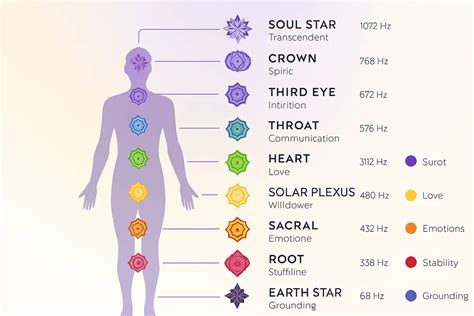
The Seven Chakras
The Sacral Chakra's Role in Your Body and Energy System
The sacral chakra's influence extends beyond its physical location. It is intricately connected to our emotional well-being, creativity, and sexuality.
Read also: Healing a Blocked Solar Plexus
- Emotions and Feelings: Our ability to feel and express a wide range of emotions, from joy to sadness, is managed here. A balanced sacral chakra promotes emotional intelligence and resilience.
- Creativity and Passion: It is the wellspring of creative ideas, inspiration, and the zest for life. If you're seeking to boost your artistic pursuits or find new passions, focusing on this chakra is key.
- Sexuality and Sensuality: The sacral chakra is linked to healthy sexual expression, intimacy, and the ability to experience pleasure.
Physically, the sacral chakra is associated with the reproductive organs (ovaries, testes), kidneys, bladder, lower back, and hips. Imbalances in this chakra can sometimes manifest as physical issues in these areas. Therefore, understanding the sacral chakra anatomy and its energetic role highlights its importance for overall health and vitality.
Why Knowing the Sacral Chakra Position Matters
Understanding the exact sacral chakra position is not merely an academic exercise; it has practical implications for your well-being and spiritual practices.
- Focus Intention During Meditation: Directing your awareness to the lower abdomen during meditation can help stimulate and balance the sacral chakra.
- Enhance Yoga Practices: Certain yoga asanas (poses) like hip openers (e.g., Baddha Konasana or Pigeon Pose) are more effective when you can consciously channel energy to the sacral region.
- Apply Energy Healing Techniques: Modalities like Reiki, sound healing, and crystal therapy benefit from precise placement or focus. Knowing the location ensures these healing energies are directed effectively.
For instance, sound healing with specific frequencies can be particularly powerful when you are aware of the chakra's location. Tuning forks designed for the sacral chakra can be used near this area to help restore balance and flow.
The Energetic Landscape of the Sacral Chakra
The sacral chakra, with its vibrant orange hue, is deeply connected to the element of Water. This association signifies its qualities of flow, flexibility, and emotional depth. Just as water adapts to its container, a healthy sacral chakra allows us to navigate life's changes with grace and adaptability. It encourages us to embrace our emotions without being overwhelmed by them, fostering a sense of emotional flow.
When the sacral chakra is blocked or imbalanced, you might experience issues like creative blocks, emotional instability, fear of intimacy, or dependency issues. Recognizing these signs, coupled with the knowledge of where the sacral chakra is situated, empowers you to take steps towards realignment.
Read also: Science of Chakras
How to heal Sacral Chakra - Beginner's 101 Guide
Tools and Practices to Connect with Your Sacral Chakra
While this article focuses on the "where," knowing the sacral chakra location is foundational for engaging in practices that nurture it.
- Sound Healing: Using tuning forks or singing bowls that resonate with the sacral chakra's frequency.
- Crystal Therapy: Placing orange-colored stones like carnelian, sunstone, or orange calcite on the lower abdomen.
- Aromatherapy: Using essential oils like sandalwood, ylang-ylang, or patchouli.
These practices become more potent when your intention and energy are directed to the correct anatomical area, enhancing the potential for chakras and emotional balance.
Sacral Chakra Properties and Functions
Here's a detailed overview of the sacral chakra's properties and functions:
| Property | Description |
|---|---|
| Main Names | Sacral Chakra, Second Chakra, Svadhisthana, Creative Center |
| Meaning of "Svadhisthana" | From Sanskrit, meaning "one's own place" |
| Location | Lower abdomen, about two inches below the navel |
| Corresponding Gland | Gonads (ovaries in women, testes in men), which produce hormones |
| Color | Orange |
| Primary Themes | Creativity, sexuality, pleasure, emotions, and relationships |
| Animal Symbols | Crocodile, fish, and other water creatures |
Frequently Asked Questions about the Sacral Chakra
- What is the sacral chakra?
Second chakra. Svadhisthana. Lives in your lower belly, right below your navel. Runs your emotions, creative drive, sensuality. How you connect with people on a deeper level. - What are the signs of a blocked sacral chakra?
Your emotions swing unpredictably. Change terrifies you. Creative ideas won't come or won't develop. Relationships ta... - What are the signs of a blocked sacral chakra?
Signs of a blocked sacral chakra can include creative stagnation, emotional numbness or over-sensitivity, lack of motivation, fear of intimacy, guilt, shame, or issues with addictive behaviors. Physically, it might manifest as lower back pain, reproductive issues, or urinary problems. Recognizing these signs is the first step towards addressing the imbalance. - Where is the sacral chakra located?
The sacral chakra is located in the lower abdomen, about two inches below the navel and just above the pubic bone. It is situated in front of the sacrum, the triangular bone at the base of your spine. This precise sacral chakra position makes it central to bodily functions related to that area. - How do I activate the sacral chakra?
Activating the sacral chakra involves practices that encourage energy flow to its location. This can include meditation focusing on the lower abdomen, specific yoga poses (hip openers), creative expression (painting, writing, dancing), engaging with the element of water, sound healing with specific frequencies (like 210.42 Hz), and using sacral chakra crystals like carnelian or orange calcite. The key is consistent, mindful engagement. - What kind of trauma can block the sacral chakra?
Trauma that can block the sacral chakra often relates to emotional, physical, or sexual abuse, neglect, strict upbringing that suppressed emotional expression or creativity, cultural conditioning that instilled guilt around pleasure or sexuality, and experiences of betrayal or abandonment. These events can lead to an imbalance or shutdown of energy in this vital center. - What is the sacral chakra responsible for?
The sacral chakra is primarily responsible for governing our emotions, creativity, sexuality, pleasure, and our ability to form healthy relationships. It influences how we experience joy, passion, and intimacy. It's also connected to our sense of flow, adaptability, and the ability to embrace change and new experiences with openness.