Sodium selenite, a form of selenium, is a compound that has garnered attention for its potential health benefits, particularly in areas such as cancer prevention and immune system enhancement. Selenium is a trace element which supports overall health and is part of the micronutrients. Selenium benefits the immune system and plays an important role in metabolism, reproduction, thyroid gland function, and DNA production. It also prevents damage to body cells and tissues caused by infection and inflammation.
Selenium may play a role in several aspects of human health, but scientists are still doing more clinical research to determine the nutrient’s impact. Selenium is an essential trace element and antioxidant. It’s a cofactor in enzyme regulation. It also helps maintain the health of tissue and muscle. Selenium may help treat and prevent prostate cancer. Selenium has antioxidant effects. It may serve some of the same antioxidant functions as vitamin E. Selenium is needed to maintain the heart and blood vessels. It also keeps the heart muscle and skin tissue healthy. It may also aid in the treatment and prevention of cancer. Selenium compounds are used in some shampoos. An example is selenium sulfide. It’s used in this form to treat seborrhea and dandruff.
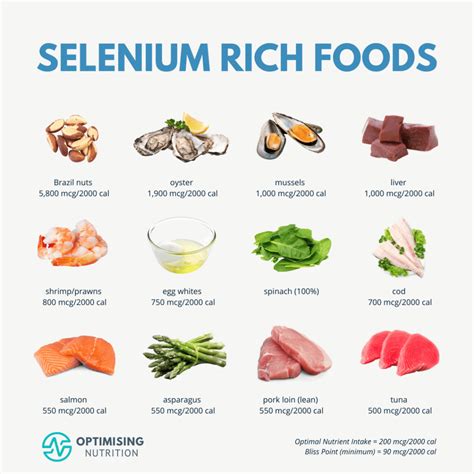
Foods rich in selenium include Brazil nuts, tuna, halibut, eggs, and oatmeal.
Potential Health Benefits of Selenium
Here are some potential health benefits in more detail:
- Cardiovascular Disease: Selenoproteins may affect heart health by preventing the oxidative modification of lipids, or body fats. This may reduce inflammation and the buildup of platelets.
- Cognitive Decline: Selenium’s antioxidant activity may help reduce the risk of both age-related cognitive decline and impairments that result from conditions such as Alzheimer’s disease.
- Thyroid Disorders: Selenium also has an important role in maintaining healthy thyroid function.
- Cancer: Selenium’s role in DNA repair means that it may play a role in cancer prevention.
Sources of Selenium
Selenium is most often found in whole grains and animal products such as fish and eggs. The amount of selenium in grains and grain-based foods depends on the soil content where they grew. Foods with selenium include brazil nuts, meat, fish, and eggs. If you eat a balanced diet containing meat, fish and nuts, you should be able to get enough selenium from your diet.
Read also: Unlocking Selenite's Secrets
The following foods are good sources of selenium:
- Brazil nuts
- Tuna
- Baked halibut
- Cooked brown rice
- Egg
- White bread
Here is a detailed breakdown of selenium content in various foods:
| Food | Serving Size | Selenium Content (mcg) |
|---|---|---|
| Brazil Nuts | 1 nut | 68-91 |
| Sardines, canned in oil | 3 ounces | 45 |
| Beef steak, roasted | 3 ounces | 33 |
| Cottage cheese | 1 cup | 20 |
| Egg, hard boiled | 1 large | 15 |
| Oatmeal, unenriched | 1 cup | 13 |
| Baked beans | 1 cup | 13 |
Recommended Daily Intake
The amount of selenium you need every day depends on your age, and whether you are pregnant or breastfeeding. The recommended DV for selenium is 55 mcg per day for most adults. During pregnancy, a person should consume 60 mcg, and while lactating, they should consume 70 mcg per day.
- Infants (birth to 12 months): 15-20 micrograms (mcg)/day
- Children/adolescents (1 to 18 years): 20-55mcg/day
- Adults: 55 mcg/day (increased to 60 mcg during pregnancy and 70 mcg during breastfeeding).
Risks and Side Effects of Sodium Selenite
While sodium selenite can be beneficial in small amounts, it is important to be aware of its potential side effects, especially if taken in excessive quantities. Taking too much selenium can be harmful.
One of the primary concerns with sodium selenite supplementation is the risk of selenium toxicity, also known as selenosis. This condition can occur if a person consumes selenium in amounts significantly higher than the recommended dietary allowance. The upper limit for the optimal level of selenium in the body is 400 mcg for adults. It is rare for anyone to overdose on selenium, especially from selenium in food. However, an overdose of highly concentrated supplements can have negative effects.
Read also: Pocket Selenite for Anxiety
Symptoms of selenium toxicity can range from mild to severe and may include:
- Gastrointestinal disturbances such as nausea, vomiting, and diarrhea
- Hair loss
- Brittle nails
- Neurological abnormalities like a metallic taste in the mouth, irritability, and fatigue
- Garlic breath odor
- Feeling sick
- Muscle weakness
- Difficulty breathing
- Skin lesions and rashes
Chronic exposure to high levels of selenium can also have more serious long-term effects. For instance, selenosis has been associated with problems in various organ systems. Cardiovascular issues, such as myocardial infarction or heart attack, can occur due to the detrimental effects of excess selenium on heart tissue. Additionally, liver and kidney damage have been reported, as these organs are involved in the metabolism and excretion of selenium. In extreme cases, selenium overdose could lead to kidney failure, heart failure, and death.
Beyond the risk of toxicity, some individuals may experience allergic reactions to sodium selenite. Allergic responses can manifest as skin rashes, itching, or hives. In severe cases, anaphylaxis, a life-threatening allergic reaction that requires immediate medical attention, can occur.
Drug Interactions
Sodium selenite can also interact with certain medications, leading to unintended side effects. For example, it may interfere with anticoagulants or blood-thinning drugs, potentially increasing the risk of bleeding. Additionally, it might interact with other supplements and medications that affect thyroid function, given that selenium plays a critical role in thyroid hormone metabolism. Selenium supplements can also interact with some medications, including cisplatin, which is a chemotherapy drug. The use of this drug can reduce selenium levels in the body.
Individuals taking medications for conditions such as hypothyroidism or hyperthyroidism should exercise caution and seek medical advice prior to incorporating sodium selenite into their routine. You should speak to your doctor before taking selenium supplements, as they can interact with some medications.
Read also: How to Charge Selenite
Selenium Deficiency
Selenium deficiency is rare worldwide, and it often takes years to develop. It usually only occurs in regions with severely low selenium content in the soil, such as several regions in China. However, according to the ODS, supplementation programs have mostly eradicated these deficiencies in the Chinese population. Selenium deficiency is very rare. It can cause male infertility and cardiomyopathy, a disease of the heart muscle. It can also cause Kashin-Beck disease, a type of arthritis causing pain and swelling of the joints.
Symptoms of selenium deficiency are:
- Joint pain
- Swollen joints
- Muscle pain
- Muscle weakness
- Low mood
- Infertility
- Weakened immune system
- Irregular heartbeat
- Breathlessness
12 Amazing Benefits of Selenium
If you think you might have selenium deficiency or develop the symptoms of selenium deficiency, you should speak to a doctor.
Recommendations
To minimize risks, individuals should adhere to recommended dosages and consult healthcare providers to ensure that supplementation is safe and appropriate for their specific health needs. People can get selenium through multivitamins and other dietary supplements. These may contain the mineral in different forms, including selenomethionine and sodium selenate.
The Dietary Guidelines for Americans, 2020-2025 encourage people to get their nutrients from food sources rather than supplements. Eating a varied and healthful diet is more important than concentrating on individual nutrients as the key to good health. When taking any supplement, it is important to purchase it from a reputable source.
tags: #sodium #selenite #supplements