UFO: Aftermath, released in 2003, is a tactical strategy game developed by Altar Interactive that combines elements of RTS, turn-based, and strategic gameplay. As the commander of Earth's Remaining forces, you fight to take Earth back from the Aliens known as the Reticulans. While it attempts to capture the spirit of the X-COM series, it presents a unique, albeit flawed, experience.
Gameplay and Mechanics
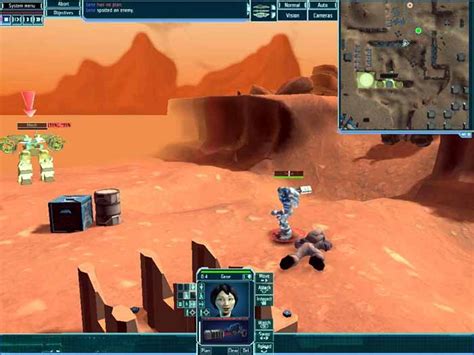
Aftermath features a quasi-real-time battle mechanic with an active pause and the ability to queue up multiple orders. The game requires you to do research to advance your cause against the aliens, which is a seemingly interesting balance of game elements. It's another XCOM remake, with a unique mechanics mixing turn-based and real-time combat which turns out to not work really well. Unlike in other turn-based games, there is no "turns" here.
Instead, you give queues of orders to soldiers, and until a queue is complete or an enemy is seen, the game proceeds in real time, and then pauses until you give a new order to a soldier. In practice, this means that after you see an enemy alien (and it sees your soldier), both you and the alien start firing their weapon at each other non-stop. And since most aliens are bigger, have more hitpoints and do more damage than your soldiers, you can't defeat them in close combat, no matter from what side you approach them.
The only tactics which works best is to make all soldiers snipers, and equip sniper rifles, to shoot enemies from afar while they run towards you to get into their firing range. Also, the auto-pause becomes annoying while you run around seeking for enemies. The real-time/turn-based blend works much better in Jagged Alliance 2 (the game runs in turn-based mode only when you are in combat, and in real-time while out of combat).
Strategic Elements
The game combines global strategy with small squad tactical combat, challenging players to fight against an alien invasion. It features run-time-generated tactical missions with innovative simultaneous combat action. The genre is also enhanced with strong RPG elements, offering a quite unique mix of strategic ideas.
Read also: The Final Game: A Comprehensive Explanation
- RPG: Soldiers improve as they gain experience, enhancing attributes like Strength, Agility, Dexterity, Willpower, Intelligence, and Perception.
- Strategy: Players must manage their bases, interceptions, and squads. Territory is equal to power; the more you control, the better your interceptor coverage and research speed.
- Tactics: Engage in ground combat against aliens and mutants for control of territories. Once you control a territory, you can decide what type of base you want there: Research, Military, Manufacture, or Biomass repulsion.
Combat System
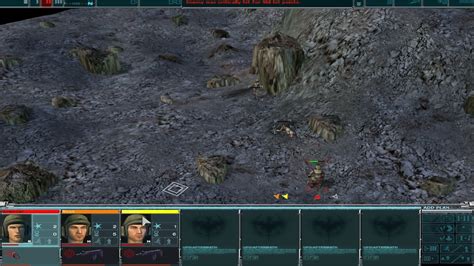
The combat system uniquely blends turn-based and real-time elements. You give orders while the game is paused to avoid the frantic rush of a real-time system. While in pause you can give your troops very detailed orders taking as much time as you like. Once you are finished you simply start the game and continue playing. Once the game is underway you can pause the game at any point to update or change your orders and the game will automatically pause when important events occur, so that you may modify your plans accordingly.
Atmosphere and Setting
UFO Aftermath has this unique atmosphere of impending doom and, strangely, alienation - not only did i feel hopeless (especially when the alien biomass starts to spread throughout the planet), but all throughout the campaign i felt like i was alone on the planet, abandoned, forgotten, forsaken. Other than that - the cities are very well done - European style. Love it.
The game opens with a toxic cloud of alien spores enveloping the Earth, killing off the vast majority of the populace and leaving millions more as grotesque, twisted mutants. This is never fully expanded upon until the game is beaten.
Drawbacks and Criticisms
Despite its interesting concepts, UFO: Aftermath has several drawbacks. Mechanics here are clunky, the game gets unfairly difficult WAY too fast and longer sittings can turn into boring chores. The game was also to advance via the tactical missions. However, poor game balance blamed partly on an impossible learning curve left this aspect of the title unappealing.
A retro isometric style presentation would have been a better tribute to X-Com instead of the low grade 3D graphics that look so tediously similar to dozens of other Jim Crack RTS games. Furthermore the old 1024x768 resolution leaves wide screens half empty.
Read also: Descent into Madness
Here's a summary of the game's reception:
| Sentiment | Percentage |
|---|---|
| Positive | 27% |
| Mixed | 58% |
| Negative | 15% |
They seem to have removed much of the delicate strategic balancing which made the original so much more than a squad-based tactical game, and many of the tactical elements which made it stand head and shoulders above resource-management games. Sadly, the promising squad-based interface is put to incredibly uninspiring use. Despite the impressive scope, this lacklustre playing experience offers little incentive to persevere and explore the strategic depth on offer.
Retroness - UFO: Aftermath
Altar Games went on to create two more installments of the game and good on them, since Aftershock and Afterlight were noticeably superior to this one. With all that in mind Aftermath is a decent albeit flawed first attempt at an XCOM successor. It's definately worth a playthrough as the music, the atmosphere and the overall feeling of the game give it more of an X-Files vibe.
Read also: Learn Witchstone