Chakra meditation is a mindfulness practice that focuses on energy centers in our bodies known as chakras.
You may have heard people talk about aligning their chakras or tapping into their third eye - but what exactly does that mean?
Chakras are thought to be located along the spine from the base of the spine to the top of the head. They are believed to play an important role in maintaining our physical and emotional health.
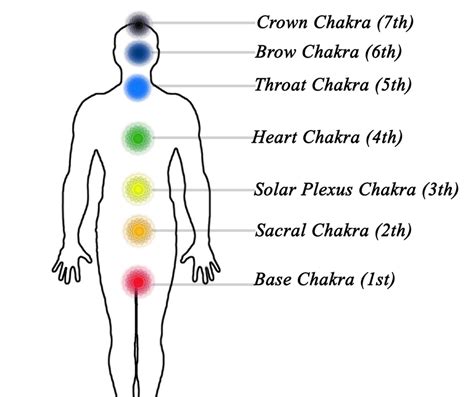
What is Chakra Meditation?
In Hinduism and Buddhism, the seven chakras in the body are believed to be vital to our physical, emotional, and spiritual health. These chakras are thought to control various physical and emotional aspects of our lives, influencing everything from basic survival instincts to our ability to connect spiritually. Derived from the Sanskrit word for “wheel,” chakras are imagined as spinning wheels of energy located along the spine.
Activating and balancing these chakras may help to better the flow of energy throughout the body.
Read also: Science of Chakras
The Benefits of Chakra Meditation
By focusing on and balancing the chakras, chakra meditation aims to promote better overall health and enrich your emotional and spiritual wellbeing.
Emotional stability: Regular practice may help you manage and mitigate stress, reduce anxiety, and build a greater sense of peace and emotional resilience. This could lead to improved relationships, as you may become better equipped to handle interpersonal challenges and communicate more effectively.
Clarity and focus: Meditation may clear mental clutter and enhance concentration, making it easier to tackle tasks and solve problems. This increased mental clarity could also make you more productive.
Physical health improvements: By reducing stress and promoting relaxation, chakra meditation may help boost overall physical health and vitality.
Spiritual connection: By building a greater understanding of your life purpose and connection to the universe, you might explore your inner self more deeply.
Read also: Anatomy of the Sacral Chakra
What are the Seven Chakras?
Each chakra has a unique location in the body and is thought to influence a specific physical and emotional aspect of your life. By understanding and tuning into these energy centers through chakra meditation, it’s believed that you can enhance your physical, emotional, and spiritual health.
- Root chakra (Muladhara): Located at the base of the spine, the root chakra is represented by the color red. It’s said to govern our feelings of stability and security. When balanced, it may help you feel grounded and confident in withstanding challenges and meeting your basic needs.
- Sacral chakra (Svadhishthana): Just below the navel, this orange chakra is thought to oversee pleasure, creativity, and sexual energy. A balanced sacral chakra is believed to enhance your ability to enjoy life, embrace change, and connect with others emotionally.
- Solar plexus chakra (Manipura): Found in the stomach area and associated with the color yellow, this chakra is said to relate to self-confidence, personal power, and the ability to achieve your goals.
- Heart chakra (Anahata): Centered in the chest and represented by the color green, the heart chakra is believed to affect compassion, emotional balance, and the ability to love and be loved. An open heart chakra is thought to help build genuine connections with others and enhance inner peace.
- Throat chakra (Vishuddha): Located in the throat and depicted with the color blue, this chakra is thought to influence communication and self-expression. When it’s balanced, it's thought that you’re better able to speak your truth clearly and listen to others with understanding.
- Third eye chakra (Ajna): Positioned between the eyebrows and associated with the color indigo, the third eye chakra represents the center of intuition and foresight. A balanced third eye chakra is believed to allow clearer, deeper thinking.
- Crown chakra (Sahasrara): At the very top of the head, this chakra is linked to the color violet and is thought to connect to higher states of consciousness. When the crown chakra is balanced, it is thought that you have a better sense of who you are and what you believe.
Here's a table summarizing the seven chakras:
| Chakra | Location | Color | Governs |
|---|---|---|---|
| Root (Muladhara) | Base of the spine | Red | Stability, security |
| Sacral (Svadhishthana) | Below the navel | Orange | Pleasure, creativity |
| Solar Plexus (Manipura) | Stomach area | Yellow | Self-confidence, personal power |
| Heart (Anahata) | Chest | Green | Compassion, love |
| Throat (Vishuddha) | Throat | Blue | Communication, self-expression |
| Third Eye (Ajna) | Between eyebrows | Indigo | Intuition, foresight |
| Crown (Sahasrara) | Top of the head | Violet | Consciousness, spirituality |
Guided Chakra Affirmation Meditation - Energy Balance Meditation
How to Practice Chakra Meditation: 5 Exercises & Techniques
Chakra meditation can be practiced through several techniques, each designed to enhance the alignment and balance of the chakras. Bringing these methods into your daily routine may help you discover balance and enrichment in life.
- Visualization: Visualize each chakra as a brightly colored wheel or flower spinning with energy. Start at the root chakra and work your way up to the crown chakra, picturing the colors becoming brighter and the spinning smoother as you focus your attention on each. This technique is thought to help to clear blockages and stimulate the flow of energy.
- Mantra chanting: Each chakra has a corresponding mantra, a sacred sound that resonates with the frequency of the chakra. Reciting these mantras during meditation is said to help activate and balance the chakras.
- Focusing on the breath: Breathing deeply and evenly can help calm the mind and body, preparing them for deeper spiritual work. As you breathe, imagine drawing energy up through each chakra from the root to the crown, cleansing and energizing each one.
- Using affirmations: Positive affirmations can help reinforce the healing and balancing of each chakra. For instance, saying, "I am safe and secure" may help strengthen the root chakra, while "I am loved and I give love" is believed to open the heart chakra. Create your own affirmations based on what balance you feel you need in the chakra, and repeat them as part of your meditation for support.
- Engaging with crystals and colors: Some people find that focusing on crystals or specific colors that correspond to the chakras can enhance the meditation process. For example, a red stone like a garnet might be used for the root chakra meditation.
Chakra Meditation FAQs
What are the signs of a blocked chakra?
A blocked chakra is believed to bring various physical, emotional, and behavioral symptoms, depending on which chakra is affected. For example, if your root chakra is blocked, you might experience feelings of insecurity, anxiety about basic needs and survival, or physical issues like lower back pain. A blocked throat chakra may lead to difficulty in expressing yourself, frequent throat discomfort, or fear of speaking out. If you notice these signs, try to focus on them during your meditation practice to see if it brings relief.
How long does it take to see the effects of chakra meditation?
The time it takes to see the effects of chakra meditation can vary. Some people might notice immediate changes, such as feeling more relaxed or emotionally balanced right after a session. For others, the benefits might accumulate more gradually, becoming noticeable over weeks or months of consistent practice. Regular meditation can lead to profound changes in how you feel and interact with the world, but patience and consistency are needed.
Read also: Discover Your Inner Chakra
Can chakra meditation help with anxiety?
Chakra meditation can be particularly effective in managing anxiety. It can help calm the mind, reduce stress, and promote a balanced emotional state. By focusing on specific chakras, such as the root chakra for security or the heart chakra for emotional calm, you may be able to target the sources of your anxiety. Many people find that regular chakra meditation helps them feel more grounded and less overwhelmed by anxious thoughts.
Are there any specific postures needed for chakra meditation?
While there are no hard-and-fast rules for posture during chakra meditation, certain positions are recommended because they are thought to enhance the flow of energy through the chakras. Sitting with a straight spine, either on a chair or on the floor, is thought to help maintain the natural alignment of the chakras along the spine. This posture supports a more effective meditation as it’s said to allow energy to flow freely from the base of the spine to the crown of the head. You can also opt to try different hand positions during your practice. However, the most important aspect is comfort, so choose a posture that feels good for you and allows you to focus on your meditation without distraction.
How often should I practice chakra meditation for optimal results?
For the best results, practice chakra meditation daily. Short sessions each day can be more effective than occasional longer sessions because they’re thought to help maintain a consistent flow of energy through your chakras, and support ongoing balance and wellbeing.
Activating the Third Eye Chakra
The concept of the third eye has fascinated spiritual seekers for centuries as a gateway to higher consciousness and the inner realms of intuition and wisdom. Located in the forehead, just between the eyebrows, it’s associated with the pineal gland and is considered a focal point for transcending ordinary reality to access profound insights and heightened states of awareness.
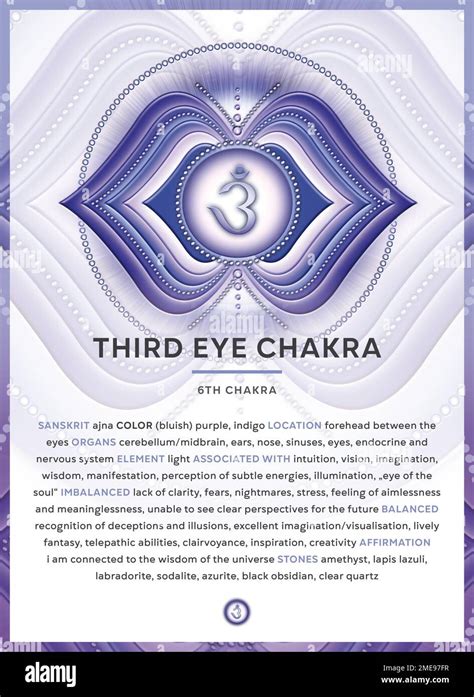
The third eye (ajna chakra in Sanskrit and the sixth chakra) is a pivotal concept across several spiritual traditions, symbolizing the eye of intuition and insight. Modern interpretations often link the third eye to the pineal gland, a pea-sized gland in the brain. The primary pineal gland function is secretion of melatonin, minute amounts of N, N-Dimethyltryptamine (DMT) as well as other chemicals including peptides. Melatonin plays a crucial role in regulating the sleep-wake cycle (circadian rhythms).
Historical associations with the pineal gland’s function extend beyond physiology to the realm of metaphysics, which posits that the pineal gland is the potential seat of psychic and intuitive abilities - the seat of the soul.
How to Awaken Your Third Eye
Awakening your third eye requires preparation and intention. Understanding your personal goals - whether seeking a deeper spiritual connection, enhancing intuition, or achieving greater emotional balance - is crucial. Self-care forms the bedrock of any spiritual practice. It’s important to prioritize your well-being through simple, daily routines that ground and center you. The act of preparing to open your third eye is as much about cultivating a nurturing environment for growth as it is about the actual practices.
Maintaining healthy sleep patterns and circadian rhythms are essential for the well-being of the third eye as they support neural repair, enhance cognition, and promote emotional balance. Foods and herbs rich in deep blues and purples are ideal. Nutrition also plays a role in your spiritual journey. Foods like blueberries and grapes, which align with the third eye’s energy, can support your practice. Additionally, some people find that smells help stimulate thoughts, emotions, and feelings.
Opening your third eye transcends the realm of logical reasoning, providing individuals with a powerful internal guidance system. This intuitive awakening creates a deeper connection with one’s true desires and the universe’s subtle cues, leading to a life that’s more authentic and in tune with cosmic synchronicity. Third eye activation offers a crystal-clear understanding of one’s thoughts and emotions, promotes discernment of true intentions.
Perhaps surprisingly, activating and nurturing the third eye has profound implications for mental health. It helps quiet the mind and lets the soft voice of inner wisdom be heard.
Signs of a Healthier Third Eye Chakra
When you put so much time and effort into awakening your third eye, you want to know if it’s working. Vivid dreams and visions often mean that your third eye is awakening. An open third eye can increase your sensitivity to light and the energy of your surroundings. For some, it may happen quickly. For others, it’s a gradual process that unfolds over time.
It’s common to encounter misconceptions and fears about awakening the third eye. Educate yourself in order to set proper expectations that ease the transition into expanded consciousness. The awakening process may intensify your sensitivity to both internal and external stimuli. Integrate grounding practices into your routine to help manage these heightened sensations. Incorporating spiritual practices into your everyday activities is key to maintaining balance during this transformative period. This is a dynamic process, requiring patience and persistence.
After the initial awakening of your third eye, the journey doesn’t end - it evolves into a practice of nurturing this connection. Regular meditation keeps the third eye awakened. Integrate daily practices that involve visualization, mindfulness, and breathwork to maintain clarity and intuition. Writing about your experiences and the insights gained through the third eye can deepen your understanding and integration of these spiritual revelations. Enrich your new awareness by sharing experiences and learning from others on similar paths.
Deciding to open your third eye is a significant step towards unlocking deeper dimensions of consciousness, enhancing intuition, and fostering personal growth. While opening the third eye leads to profound spiritual growth, it may initially bring about sensitivity to light, overwhelming sensations, or vivid dreams as one adjusts to the increased awareness. Safely opening your third eye involves gradual practice, starting with meditation, mindfulness, and ethical living.
Some spiritual practices believe that opening the third eye may enhance the ability to connect with angels and spirit guides by increasing intuition and perception of subtle energies.
Top 10 Benefits of Activating the Third Eye Chakra
- Heightened Intuition
- Improved Mental Clarity
- Enhanced Spiritual Awareness
- Vivid Dreams and Enhanced Dream Recall
- Increased Emotional Balance
- Strengthened Imagination and Creativity
- Deeper Self-Awareness
- Heightened Perception and Insight
- Greater Sense of Purpose
- Activating the Third Eye Chakra unlocks a deeper connection on your intuition, inner know-how, and religious focus.
When that Third Eye Chakra is in an entire concord and loose, it makes you consider extra for your instinct, understand matters extra surely, and realize the exquisite truths more.
How to Activate the Third Eye Chakra
Activating the Third Eye Chakra requires a combination of mindful practices, spiritual exercises, and lifestyle adjustments that help clear energetic blockages and enhance intuitive abilities.
- Meditation Focused on the Third Eye: Sit quietly, close your eyes, and focus your attention on the area between your eyebrows.
- Visualization Techniques: Imagine a radiant third eye opening on your forehead, surrounded by an indigo light.
Activating the Third Eye Chakra often raises questions about its benefits and how it can enhance various aspects of life.
- Q1. Yes, activating the Third Eye Chakra sharpens your mental clarity, improves concentration, and enhances focus.
- Q2. Yes, opening the Third Eye can awaken latent psychic abilities such as heightened intuition, clairvoyance, or telepathic sensitivity.
- Q3. Yes, a balanced Third Eye Chakra often leads to more vivid and meaningful dreams, making it easier to recall details.
- Q4. Absolutely. An open Third Eye Chakra offers clarity and spiritual insight, helping you connect with your higher self.
- Q5. An activated Third Eye enhances your ability to stay present and focused during meditation.
Additional Tips for Balancing the Third Eye Chakra
- An under-active third eye chakra leads to a feeling of monotony- like you're stuck in routine. This scenario leads to a lack of clarity and perspective. It can also lead to rejecting spirituality.
- An over-active third eye chakra can lead to living in a sort of fantasy-- a loss-of-touch with reality. Let your creative spirit soar! Visualize, dream, but don't completely lose sight of the ground.
- Let your mind rest from daily ponderings and wonderings with meditation or a walk in nature, especially under the moon.
- Follow your intuition. Trust it and yourself.
Mudra: Try the Kaleshwar mudra. With your middle fingers straight, press their finger tips together. Bring the finger tips of the thumbs together too. Bend all of the other fingers so that they can touch at the second knuckle.
The third eye chakra is associated with a indigo or dark blue and sometimes blue-purple. You can harness the energy of this chakra by surrounding yourself with this color- in your clothes and your home.
Essential oils are also great for balancing the third eye chakra. Try sandalwood, bay laurel, juniper, rosemary, vetiver (I recommend doTERRA oils because of their purity).
Eating foods that are this color can help too like blueberries and blackberries, plums, eggplant and beets.
Gems that help this chakra include lapis lazuli, amethyst, azurite, moonstone and crystal quartz.
Rosemary, juniper and sandalwood aromatherapy also benefits the third eye chakra.
Also meditating on the color can help. Try to focus your energy into your third eye and imagine an indigo ball of energy at your third eye.
When you balance the third eye chakra, you will have greater clarity of thought. You trust your intuition and are able to clearly see events in your life and the lessons they present to you. As you work to open the Ajna chakra, you can begin to see things as they actually are without the projection and color of ego.
tags: #agya #chakra #meditation