On Wednesday, August 26, 1998, the Moon was in the Waxing Crescent phase. This phase occurs after the New Moon and is an excellent time to observe the lunar surface as the illumination gradually increases.
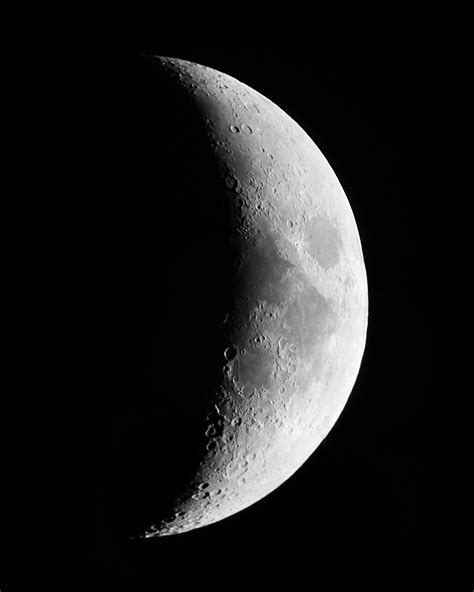
Key Details of the Moon Phase
- Phase: Waxing Crescent
- Constellation: Virgo (♍)
- Illumination: 20.37%
- Age: 4.4 days
- Rise/Set: 10:55 AM / 10:00 PM
- Angular Size: 28.14º
- Distance: 405,493.84 km
The illumination of the Moon on August 26, 1998, was 20.37%. This figure represents the percentage of the Moon's surface illuminated by the Sun. The illumination is constantly changing and can vary up to 10% a day.
The Moon was 4.4 days old on this date. This refers to how many days it had been since the last New Moon.
The ideal time to observe the Waxing Crescent Moon is in the western sky shortly after sunset.
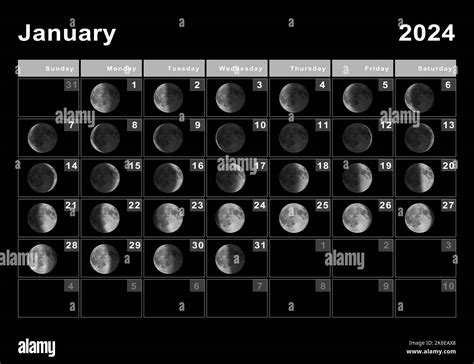
There are 8 lunar phases the Moon goes through in its 29.53 days lunar cycle. The 4 major Moon phases are Full Moon, New Moon, First Quarter and Last Quarter. Between these major phases, there are 4 minor ones: the Waxing Crescent, Waxing Gibbous, Waning Gibbous and Waning Crescent.
Read also: Understanding Leos
Observational Interests
The Waxing Crescent phase is best seen in the west after the sun dips below the horizon at sunset. This is the first Phase after the New Moon and is a great time to see the features of the moon's surface. The moon is close to the sun in the sky and mostly dark except for the right edge of the moon which becomes brighter as the days get closer to the next phase which is a First Quarter with a 50% illumination.
During this phase, several lunar features are of particular observational interest:
- Mare Crisium: A very distinct, isolated circular mare on the Moon's eastern limb, easily visible even to the naked eye.
- Mare Marginis: Elongated impact basin containing a relatively thin layer of mare basalt.
- Humboldtianum Basin: Multi-ring impact basin located on the northeastern limb of the Moon.
- Crater Petavius: Large, striking impact crater near the southeastern limb of the Moon. It is distinguished by its massive terraced walls, a prominent central mountain complex, and, most notably, a major rille, Rima Petavius, that extends from the central peaks to the southwestern rim.
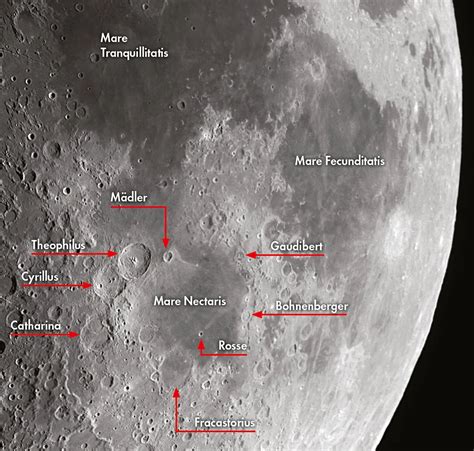
Selenographic 0° longitude is roughly the line that cuts the Moon disc into two equal halves.
Finding Your Sun, Moon, and Rising Sign in 3 Easy Steps
Read also: August 13 Zodiac
Read also: About Leos