Bhavani Ashtakam is a profound devotional hymn dedicated to Goddess Bhavani (Durga/Parvati), composed by the revered sage Adi Shankaracharya in the 8th century CE. This sacred eight-verse hymn provides divine protection, spiritual purification, and material prosperity through sincere recitation. Originally composed as part of Adi Shankaracharya’s devotional literature collection, it holds deep significance for seekers of Shakti worship and divine feminine energy.
The ashtakam serves as both a prayer of complete surrender and a powerful invocation for Goddess Bhavani’s blessings in times of difficulty and spiritual seeking. The complete lyrics begin with “Na janami daanam na cha dhyanayogam” (I know not charity nor the yoga of meditation).
Historical Context
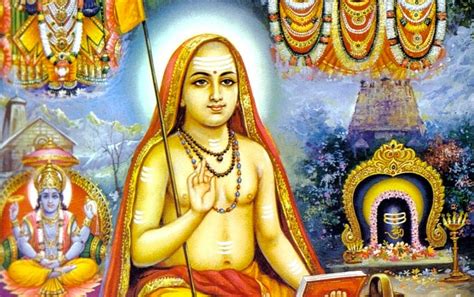
The Bhavani Ashtakam was composed by Adi Shankaracharya (788-820 CE), the great philosopher-saint who established the Advaita Vedanta school of Hindu philosophy. Created during the early medieval period (8th century CE), this ashtakam emerged during Shankaracharya’s mission to revitalize Hindu dharma and establish philosophical synthesis between devotional practices (bhakti) and non-dualistic wisdom (jnana).
According to traditional accounts, Shankaracharya composed this hymn during his travels across India, particularly associated with his encounters with various spiritual challenges where only divine grace provided solutions. The text appears in various regional collections of Shankaracharya’s works, with consistent core content across different manuscript traditions.
Purpose and Significance
The Bhavani Ashtakam serves as a comprehensive surrender prayer that establishes complete dependence on Divine Grace. Its primary purpose is to invoke Goddess Bhavani’s protection, guidance, and blessing while cultivating the devotional attitude necessary for spiritual advancement. Within Shankaracharya’s Advaita Vedanta system, this hymn represents the preliminary stage of spiritual practice where the seeker approaches the Absolute Reality through the approachable form of Divine Mother.
Read also: Understanding Sri Rajarajeshwari Ashtakam
The ashtakam systematically invokes specific divine qualities: ultimate refuge (gati), universal protection (sharanya), compassionate grace (kripa), and spiritual completion (through surrender). This hymn occupies a unique position within Hindu devotional literature by combining rigorous philosophical understanding with complete emotional surrender.
Lyrics and Translation
The hymn follows a systematic pattern of negation followed by affirmation. Each verse begins with disclaimers of spiritual knowledge or accomplishment, then concludes with complete surrender to Bhavani as the sole refuge.
Verse 1: “I know not charity nor the yoga of meditation, I know not tantra nor hymns and mantras. I know not worship nor the yoga of ritual placement.
Verse 2: “I know not merit nor pilgrimage, I know not liberation, dissolution or yoga. I know not spiritual principles nor mantras.
Verse 3: “I know not compassion nor devotion, O Mother, I know not love except you alone. I know not the Gayatri nor evening prayers.
Read also: Understanding Mahalakshmi Ashtakam
Verse 4: “In arguments, in sorrow, in negligence, in travel, in water and fire, on mountains, in the midst of enemies, in forest, O protector, always save me.
Verse 5: “I know not hymns nor the Gita, I know not evening prayers, repetition or principles. I know not the mantras of liberation nor tantra.
Verse 6: “I seek neither liberation nor enjoyment in the three worlds, I know not the Vedas, sacrifices or social orders. I know not devotion, meditation, yoga or vows.
Verse 7: “I know not worldly existence nor renunciation, I know not righteousness, prosperity or desires. I know not liberation nor spiritual knowledge.
Verse 8: “Without you, no being attains peace. Blessed is he who worships your feet. You are compassion incarnate, you alone are Bhavani.
Read also: Ranganatha Ashtakam: Lyrics and Tamil
Key Terms:
- Bhavani (भवानी) - Literally “she who gives existence”; refers to Goddess Parvati as the creative power.
- Gatistvam (गतिस्त्वं) - “You are my refuge/destination”; repeated throughout as the central surrender statement.
Bhavani Ashtakam - Album Sacred Chants (With English translation).flv
Benefits of Recitation
Regular recitation provides spiritual protection, mental peace, emotional stability, enhanced concentration, divine guidance, and accelerated spiritual growth. Regular recitation creates a protective spiritual field around the devotee, shielding them from negative influences and obstacles.
- Divine Protection and Grace: Regular recitation creates a protective spiritual field around the devotee, shielding them from negative influences and obstacles.
- Consciousness Purification: The sacred vibrations purify subtle mental impressions (samskaras) and dissolve ego-patterns that obstruct spiritual clarity.
- Devotional Development: The hymn cultivates authentic bhakti (devotion) by establishing emotional intimacy with the Divine Mother.
- Stress Relief and Inner Peace: The rhythmic recitation activates parasympathetic nervous responses, reducing stress hormones and promoting deep relaxation.
- Enhanced Focus and Concentration: Regular practice develops sustained attention and mental stability.
How to Practice
Primary requirements include physical cleanliness, respectful attitude, and sincere devotion. Avoid practice during extremely disturbed mental states or inappropriate environments. Here are some guidelines for practicing Bhavani Ashtakam:
- Physical Purification: Begin with shower or washing of hands, feet, and face. Wear clean, preferably light-colored clothing.
- Mental Purification: Spend 2-3 minutes in quiet contemplation, setting aside worldly concerns and focusing the mind on devotional attitude.
- Sacred Space Preparation: Face east or north if possible. Create a clean, quiet space with a small altar containing goddess image or symbol.
- Devotional Attitude: Approach with humility, reverence, and sincere desire for divine grace rather than mechanical repetition.
- Pronunciation Guidelines: Sanskrit pronunciation requires clarity and proper accent. Each syllable should be distinctly articulated. The ‘a’ sounds are generally short unless marked long (ā).
- Breathing Integration: Allow natural breathing rhythm without forcing specific pranayama techniques unless experienced in breath control.
- Meditation and Visualization: Focus on the meaning while reciting, visualizing Goddess Bhavani as a radiant maternal figure.
- Japa Method: Use a 108-bead mala for counting repetitions. Hold beads between thumb and middle finger, never crossing the central meru bead.
- Melodic Recitation: Some traditions employ specific musical scales (ragas) for chanting.
- Group Practice: Community chanting amplifies spiritual energy. In group settings, maintain collective rhythm and shared devotional focus.
- Ritual Integration: Advanced practitioners integrate recitation into elaborate puja ceremonies with offerings, aarti, and specific mudras.
Optimal times include early morning (4-6 AM) and evening twilight (6-8 PM) when natural energies support spiritual practice. However, sincere recitation at any time provides benefits.
Traditional recommendations vary: 1-7 times for daily practice, 21-108 times for special occasions, and longer counts for intensive spiritual periods. Quality of devotion and consistency matter more than specific numbers.
Simple offerings include flowers, incense, oil lamps, or fresh fruits. However, the most important offering is sincere devotion and complete surrender of ego.
Complete the hymn with a moment of silent prayer, expressing gratitude to Goddess Bhavani for her blessings and protection.
Best Times for Practice
- Morning Practice (4-6 AM): Ideal time when mind is naturally quiet and receptive. Pre-dawn hours are considered most spiritually potent for devotional practices.
- Evening Practice (6-8 PM): Twilight periods (sandhya kaal) are traditionally powerful for spiritual practices.
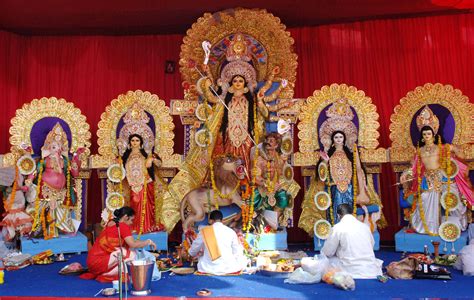
- Navaratri Festival: Nine-day celebration of Divine Feminine is the most auspicious period for intensive Bhavani Ashtakam practice.
- Fridays: Traditionally associated with Goddess worship.
- Health Difficulties: During illness or medical treatments, gentle recitation provides comfort and healing energy.
Additional Tips
- Start by learning one verse at a time, focusing on meaning and pronunciation.
- Use the repetitive “gatistvaṃ gatistvaṃ tvamekā bhavānī” refrain as an anchor.
Conclusion
The Bhavani Ashtakam stands as one of Hinduism’s most powerful expressions of devotional surrender, offering practitioners a direct pathway to divine feminine protection and grace. Regular practice of this ashtakam provides not merely temporary relief from life’s challenges, but fundamental transformation of one’s relationship with existence itself. For those beginning their spiritual journey, the Bhavani Ashtakam offers a gentle yet powerful introduction to the profound tradition of Shakti worship. The timeless wisdom contained in Adi Shankaracharya’s composition continues to provide guidance, comfort, and inspiration for countless devotees across centuries.