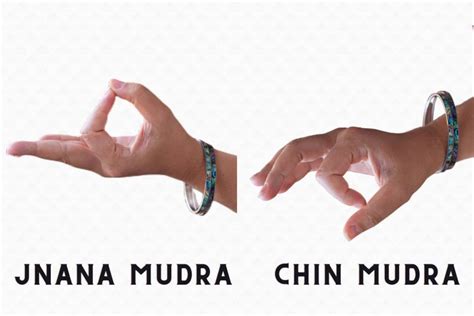
Gyan mudra, otherwise known as Chin Mudra, is a sacred hand gesture or ‘seal’ used to direct energy and maintain focus. Chin Mudra, also known as Jnana Mudra (the gesture of knowledge), is a hand gesture commonly used in meditation, yoga, and spiritual practices. It involves touching the tip of the thumb and the tip of the index finger together while keeping the other three fingers extended.
Gyan mudra is one of the most important and well known mudras, found across Buddhist, Hindu and Yoga traditions alike. Gyan is Sanskrit for ‘knowledge’ or ‘wisdom,’ and so this gesture is sometimes referred to as the Mudra of Knowledge.
Chin Mudra is one of the most common mudras… even non-yogis have seen this mudra in contemporary art and culture. The Chin Mudra is a hand gesture with many benefits. Chin Mudra is a form of Hasta Mudra or Hand gesture/seal. Chin Mudra and Gyan Mudra are almost the same.
In this post, we’ll explore the difference between Chin and Jnana Mudra.
Read also: Natural Remedies: Mudra and Yoga
Symbolism and Significance
Gyan mudra has been practiced for thousands of years and is highly symbolic in several ways. It also symbolises the union of Self with the universe, of Atman and Brahman. The thumb represents supreme consciousness or Brahman, whilst the index finger represents the practitioner's individual soul, Atman.
The bringing together of these two realities is fundamental to the yogic philosophy of evolving from ignorance to wisdom and from darkness to enlightenment, highlighting this mudra's significance. Practicing gyan mudra helps the practitioner to focus on attaining true knowledge and wisdom.
Jnana means wisdom or knowledge in Sanskrit and mudra means seal or gesture. The thumb represents the supreme soul and the index finger the individual soul. This mudra represents the wisdom of knowing the individual soul is one with the supreme soul.
5 Powerful Yoga Hand Mudras for Optimal Health | Powerful Hand Mudras | Dr. Hansaji
How to Perform Chin Mudra
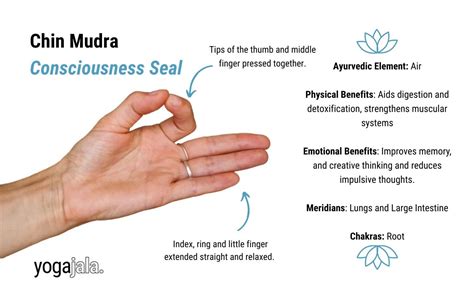
To perform this mudra, bring the tip of the thumb and index finger together on both hands, forming a circle. Keep the remaining three fingers outstretched with the palm facing upward. To practice chin mudra while seated guide the tip of your index finger to the pad of your thumb, turn the palms up and rest the backs of your hands on your knees.
Read also: Mudras for Weight Loss
In Chin mudra, the thumb and index finger touch each other. The other fingers are softly extended. The posterior palm touches the thigh (near the knee). The anterior palm faces the sky. The index finger represents individual consciousness while the thumb represents supreme consciousness.
In another variation of chin mudra, the index finger and thumb form a circle rather than touching each other. Beginners can find this variation challenging, but it becomes better with practice.
Step-by-Step Guide
- Begin by sitting in Staff pose (Dandasana) with a straight spine.
- You can cross your legs in Sukhasana (Easy Pose) or opt for advanced postures like Lotus pose (Padmasana) or Auspicious pose (Swastikasana).
- If floor sitting is difficult, use a chair, elevating yourself with a blanket or pillow if needed.
- Inhale and fold the index fingers of both hands.
- Straighten the other three fingers. Relax the hands and the arms.
Benefits of Chin Mudra
Chin Mudra is known to help calm the mind, improving mental clarity and focus. By balancing the flow of energy within the body, Chin Mudra helps reduce stress and anxiety. This mudra is believed to aid in the development of memory and cognitive abilities. Chin Mudra is often associated with wisdom, as it helps clear mental fog and promote insightful thinking.
It helps to avoid the leakage of our Prana Shakti. It increases the feeling of being grounded. It is also believed that it can help to strengthen our backs. It helps to uplift our energies. It helps our consciousness to connect with universal consciousness. So, practicing this in the right manner could get a person on a path of Spirituality. One can even achieve enlightenment by practicing this.
Read also: Significance of Abhaya Mudra
The word Chin is also associated with Chitt. Chitt/Chitta = mind. By practicing this, one can gain control over the Chitta. Chitta is the hardest to control among all the human senses.
Regularly practicing this Mudra can increase your energy levels, sharpen your mind, and promote better circulation throughout your body.
Here's a summary of the benefits of Chin Mudra:
| Benefit | Description |
|---|---|
| Calming the Mind | Improves mental clarity and focus. |
| Reduces Stress and Anxiety | Balances energy flow within the body. |
| Enhances Memory | Aids in the development of memory and cognitive abilities. |
| Promotes Wisdom | Clears mental fog and promotes insightful thinking. |
| Increases Energy Levels | Helps to energize ourselves. It improves our reflexes. |
| Promotes Grounding | Increases the feeling of being grounded. |
Energetic and Therapeutic Effects
In yoga, gyan mudra is thought to be directly connected to the Muladhara chakra, the root energy centre responsible for governing our sense of stability, security and interconnectedness. As such, regular practice of this mudra may help to provide relief from depression or worries related to root chakra imbalance.
According to Ayurveda the gesture also boosts Vayu (the Air Element), leading to enhanced memory as well as an improved nervous system and pituitary gland function.
Chin mudra helps practitioners to attain calm and go inwards. This practice helps to treat sleep disorders like insomnia. As this mudra is practiced sitting in any comfortable Meditative posture, it can also help to alleviate lower back pain.
Chin mudra helps to connect us to our higher self. It lifts dull moods and creates more receptive states by creating pranic circuits to channel energy.
When and How to Practice
This Mudra can be practiced whenever you feel you are lacking focus. Especially those days when you feel dull. Practicing this Mudra for a minimum of 30-40 minutes daily is recommended. Whether you wish to complete it in one stretch or two threes that last between 10 and 15 minutes, it’s up to you. You can practice Yogic Breathing with it.
Morning is the ideal time to do any yoga or Mudra. In the morning, at this time during the daytime, our brain is at its best. So, you are more likely to be able to concentrate easily.
In the practice of chin mudra, the palm is facing upwards. Hence the chest area is opened up. The practitioner experiences opening and lightness in the chest region.
Contraindications and Precautions
While Chin Mudra is generally beneficial with no strict contraindications, practitioners should exercise caution. If you have any injuries, soreness, or have recently had surgery on your palms or fingers, it's essential to seek clinical advice before practicing. Beginners may require patience and...
Students with any specific injuries, soreness, or recent surgeries at the palms and fingers must take clinical advice before practice. Beginners may not see great results immediately, but regular practice will help them see the effects on the spiritual and emotional levels. This practice needs patience and awareness.