Have you ever felt a deep and inexplicable connection to the divine feminine, like an inner calling that was beckoning you toward a greater purpose? If so, you may be destined to embrace the path of a Goddess Priestess. When you think about spirituality and mythology, the Goddess is the supreme embodiment of divine feminine energy and wisdom. She personifies cosmic forces, nature, fertility, life and death. Goddesses are often associated with symbols and attributes that resonate with their specific domains. In contrast, a Priestess serves as a sacred intermediary between mortal beings and the divine.
In essence, a Goddess is revered and worshipped, while a Priestess is the earthly caretaker of the Goddess's wisdom and energy. Priestesses call upon the power of the Goddess to bring healing and guidance to those they serve.
But first it’s important to mention the time when God was also Feminine ✨Thousands of years ago, there existed a predominant belief on this earth, an earth-based belief system, that honored the Divine Feminine. Women were seen as the connection to the Divine Mother and the ones who connected the cycles of the earth and people.🌕 Men and women were equal, yet different, and both were honored in these times. Women of these times held many roles within society: healers, teachers, elders, mothers, seers, and oracles.
Over time, the patriarchal systems squashed many spiritual practices (think of the persecution during the Inquisition, the Burning Times). While many women lost their lives, some kept the teachings alive by going into hiding.
To me, the path of the Priestess is about honoring these feminine aspects while also holding respect for the masculine. We don’t find freedom or unity in extremes, we find it at the mid-point. In my perspective, walking this path is about finding the integration of all aspects (light & dark, masculine & feminine), and consciousness through the Vesica Piscis. For women, when we become aware of our gifts, practice them and share them, we are gifted with a potent the rising of the divine feminine. 🌱
Read also: Unpacking the Legacy of the Divine Tarot
Centuries ago, before the rise of patriarchal religion, an earth-based spiritual belief system which centered around the divine feminine, was widely practiced. There was indeed a time when God was “a woman.” Or at least, contained a strong aspect of the Divine Feminine. Women were the connection to the divine mother. Women were the ones who connected the cycles of the earth and people - and it was the feminine that was the Creatress of life.
In ancient times, people lived in harmony with nature and honored women, as they were seen as mirrors of nature's cycles and seasons. Priestesses were those who straddled the divide between the physical realm and the otherworld, they honored the aspects of the Goddess, and would observe the earth’s rhythms, the lunar cycles, and other patterns in nature to guide life. These women were holding many roles within society, healers, teachers, elders, seers, and oracles, and were highly regarded within society.
However, over time, their power was diminished and the patriarchy squashed their spiritual practices (and in many cases framed them as evil - think about Friday the 13th as a deeply feminine day) - this led to the persecution of practicing priestesses during the witch hunts, but long before that, many practicing priestesses were sentenced to death for their beliefs and healing abilities.
Today, we see many of the temples which were sacred to the Goddess destroyed or transformed into places of worship to a “male God”. While many lost their lives over thousands of years, some kept the teachings alive by going into hiding. Today, the legacy of these priestesses lives on in our lineage, and so too does the collective trauma.
At this time on the planet, it is more important than ever for women to embrace their inner power and reclaim their role as Priestess. Today, we see more and more women coming into their powers and sharing their gifts with the world. The more women become aware of their gifts and start to practice and hone them, the stronger the resurgence of the divine feminine will be.
Read also: Divine Connection through Soul
The High Priestess is known by many names depending on what belief system you subscribe to. Pope Joan, Persephone, Isis, Artemis...they are the personification of the divine feminine and a combination of mysterious and powerful women throughout history and mythology. In the Hermetic Tarot they are known as ‘The Priestess of the Silver Star.’ This card is ruled by the moon; the guardian of the unconscious, the great mystery of the universe, and intuition. Like the moon, they sit with Earth as their throne in a space that exists between darkness and light. The two pillars represent duality in its many forms; male/female, dark/light, seen/unseen, conscious/unconscious, etc. They create the doorway for which they serve as gatekeeper and the balancing force between them.
This balance of opposites is one of the cornerstones of magic. Beyond her is a sacred space that only the enlightened may enter. Purple is prevalent in the palette because it is the color of intuition and inner wisdom. The moon cycle relates to divine femininity and feminine intuition. It forms the symbol of the triple goddess. In a reading, the high priestess invites you to get in tune with your intuition and your feminine side. She may appear when your intuitive potential is strongest.
The archetype for the characters that possess or have traits of a divine strategist. Variation of Knowledge Deity and Trickster Deity. Due to the nature of their domains, divine strategist usually has some grand plan, be it divine or diabolical. They could possibly be empowered by an individual (or multiple individuals) who conceives and executes a plan (or multiple plans), or merely see worshipers as pawns in the user's own plans. These types of divine archetypes weren't a common feature of worship in polytheistic religions but were important among ancient and current civilizations.

Why Archetypes Matter
Why Archetypes Matter (and why you keep hearing about the “divine feminine”)Archetypes are the mind’s shorthand-energetic templates your brain recognizes instantly. When you name an archetype, you compress decisions: posture, tone, boundaries, and next actions become obvious. “Divine feminine” points to qualities like intuition, receptivity, magnetism, devotion, embodied wisdom, and creative power. Working with these patterns isn’t about gender; it’s about accessing specific states that reliably change how you think, feel, and act.
Which Divine Feminine Are You? 7 Powerful Archetypes Explained
Read also: Marvel's Jennifer Kale
The Core Divine Feminine Archetypes
Use this section like a mini field guide. Each description includes a helpful shadow check so you can pivot fast.
- Sovereign / Queen
- Essence: Self-authority, standards, stewardship, decisiveness.
- Shadow: Control, superiority, brittle pride.
- Reset: “What serves the realm (team, mission, body) best right now?”
- Warrior / Protectress
- Essence: Courage, action, boundaries, service.
- Shadow: Martyrdom, constant battle, burnout.
- Reset: “What is worth defending, and what deserves peace?”
- Priestess / Mystic
- Essence: Ritual, insight, alignment, sacred timing.
- Shadow: Escapism, spiritual bypass, vagueness.
- Reset: “What is the one aligned step in the material world today?”
- Lover / Magnet
- Essence: Openness, pleasure, beauty, connection.
- Shadow: Approval-chasing, boundary collapse.
- Reset: “What feels deeply nourishing and still honors my ‘yes/no’?”
- Mother / Guardian
- Essence: Care, growth, devotion, patience.
- Shadow: Over-functioning, smothering, self-erasure.
- Reset: “Support without rescuing. Care without self-abandonment.”
- Creator / Artist
- Essence: Imagination, innovation, play, originality.
- Shadow: Perfectionism, procrastination, constant pivots.
- Reset: “Ship one imperfect thing by noon.”
- Huntress / Independent
- Essence: Focus, freedom, nature-connected flow.
- Shadow: Isolation, hyper-independence.
- Reset: “What collaboration keeps my freedom intact?”
- Oracle / Seer
- Essence: Pattern-spotting, timing, guidance.
- Shadow: Doom-scrolling the future, indecision.
- Reset: “Interpret, decide, then move.”
- Sage / Elder
- Essence: Perspective, discernment, mentorship.
- Shadow: Cynicism, head-only wisdom.
- Reset: “Integrate: one action that matches what I know.”
Most people carry 2-3 primary archetypes. They shift with seasons and goals.
Cleopatra: The Sovereign Who Made Reality Answer to Her
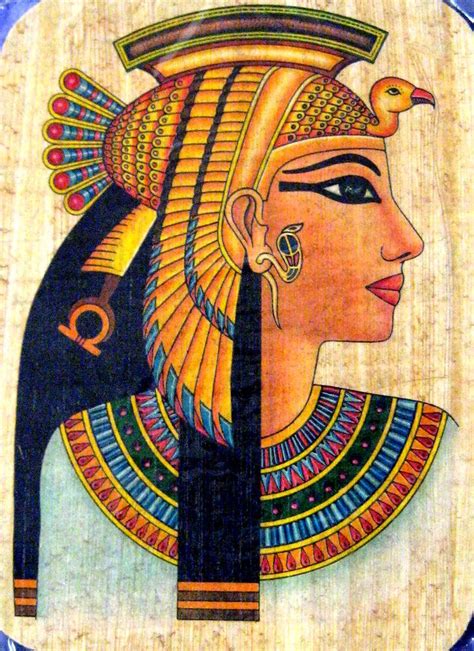
Archetypal blend: Sovereign (standards), Enchantress (magnetism), Priestess (ritualized timing). Why Cleopatra still captivates: She mastered identity as strategy. Before any negotiation, she defined who she was being. That sovereign identity set her posture, diction, attire, the setting she chose-everything aligned to a single signal: “I lead realms.” This is how archetypes compress decisions and amplify magnetism.
How Cleopatra maps to modern goals:
- Career/Business: Clarify your realm (KPIs, culture). Set non-negotiables. Receive with grace, request with clarity.
- Money: Stewardship over scrambling. Decide what you won’t do for revenue.
Joan of Arc: The Warrior-Priestess Who Turned Faith into Action
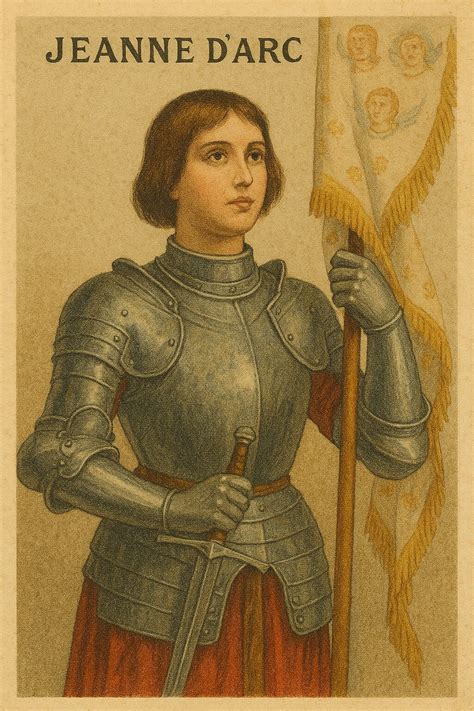
Archetypal blend: Warrior (courage + boundaries), Oracle (listening), Saint/Priestess (devotion in action). Why Joan still ignites people: She embodies conviction with clean action. No theater, no performative power-just aligned instructions followed immediately. Her lesson isn’t “fight more”; it’s “move when it’s true.”
How Joan maps to modern goals: Purpose: Ask clearly. Listen. energetic. Rooms adjusted. Institutions bent.
Cleopatra vs. Joan: When to Call Which Energy
- Negotiation, brand, leadership vacuum? Choose Cleopatra (Sovereign signal-setting).
- Stagnation, fear, overthinking? Choose Joan (one brave step, now).
- Big launch needs both: Cleopatra chooses the standards and stage; Joan executes the decisive march.
Different Types of Priestesses in History
There are many different types of priestesses that have existed throughout history. Here is just a short list of some of the more well-known lines.
- Oracle Priestesses: These priestesses were believed to have the ability to communicate with the gods/goddesses and predict the future. The most famous example of an oracle priestess is Pythia, the priestess of Apollo at Delphi. She would deliver prophecies while in a state of trance, which was then interpreted by the priests.
- Temple Priestesses: These priestesses were associated with a specific temple or shrine and were responsible for performing rituals and offering ceremonies. They were also responsible for the upkeep of the temple and its artifacts. In ancient Egypt, for example, temple priestesses were responsible for the maintenance of the temple of Amun-Re and the performance of rituals.
- Witch Priestesses: These priestesses were believed to possess magical powers and were associated with witchcraft and divination. They were often the target of persecution in societies that rejected the idea of women having any kind of spiritual authority.
- Shamanic Priestesses: These priestesses were believed to be able to communicate with spirits and the afterlife and were often involved in healing rituals and ceremonies. They were also associated with the natural world and were believed to be able to control the elements.
- Mother Goddess Priestesses: These priestesses were associated with the worship of mother goddesses, such as the Greek goddess Demeter or the Roman goddess Ceres. They were responsible for performing rituals related to fertility and childbirth and were often associated with the protection of women and children.
- Moon Priestesses: These priestesses were associated with the worship of the moon and were responsible for performing rituals related to the lunar cycle. They were often associated with the goddesses of the moon, such as the Greek goddess Artemis and the Roman goddess Diana.
It is important to note that the above-mentioned types of priestesses are not exhaustive and many societies have had different roles for women in these types of healing roles. A priestess’s role varied greatly depending on the culture and time period in which they lived. Even within a single culture, the role of a priestess could vary depending on the specific temple or shrine where she served.
Modern Day Priestesses
A modern-day priestess may have a variety of practices and beliefs, but generally, she sees herself as a spiritual guide toward healing and transformation. Priestesses today may work with rituals, divination, and other spiritual tools to help individuals and communities connect with their inner wisdom, intuition, and power. Many also focus on earth-based spirituality and honoring the divine feminine, while others have a more eclectic approach that draws from various spiritual and cultural traditions. And while the specific role of a modern-day priestess may depend on her training, personal beliefs, and the community she serves, what is consistent is her dedication to serving others on their healing path.
Priestess Activities in Modern Day
A modern-day priestess can perform a variety of functions and activities, depending on her individual beliefs and practices. Some common activities that a modern-day priestess may engage in include:
- Spiritual healing and Guidance: Many modern-day priestesses view themselves as spiritual healers and offer guidance to those seeking help. She is often highly intuitive, or even a seeress. She may work with energy work or different energetic healing modalities. She may work with shadow-work, reiki, shamanic practices, herbalism, sound healing, sacred dance, and ancestral healing among others.
- Meditation and prayer: A priestess may lead meditation and prayer groups, or practice these activities privately to connect with her spiritual beliefs.
- Rituals and Ceremonies: Priestesses may create and lead rituals and ceremonies to celebrate the changing of the seasons, and important life events, or to mark significant spiritual milestones. These can include moon ceremonies that honor and celebrate the different phases of the lunar cycle, and their corresponding energies, the Wheel of the Year, or many other rites and sacred moments.
- Nature Connection: Many modern-day priestesses have a deep connection to nature and may lead ceremonies or rituals to honor the earth and its cycles. Priestesses might engage in other practices to deepen their connection with the natural world, such as wildcrafting, plant medicine work, or spending time communing with nature.
- Space Holding: Priestesses may work to build communities of like-minded individuals who share their spiritual beliefs and practices by hosting workshops, retreats, or gatherings that promote connection and support for women. She may also create rituals for specific events such as seasonal celebrations, life transitions, and milestones
- Education and Mentorship: Priestesses are dedicated to the betterment of all, and empowering women to step into their own power. She may do this in many ways including teaching and mentoring others about healing and practices, and guiding others on their spiritual journeys.
This list is of course not exhaustive but does give you an idea of how the priestess is expressed in the modern day.
tags: #divine #priestess #and #strategist