Choosing a headboard that works with an adjustable bed can feel confusing, especially with so many styles, sizes, and compatibility features to consider. Adjustable beds move in multiple positions, so the right headboard must offer both stability and flexibility without restricting movement. Understanding how headboard designs, mounting systems, and materials interact with adjustable bases is the first step toward creating a setup that looks good and functions perfectly.
This guide will help you navigate the key factors-such as attachment methods, bed frame compatibility, and the best headboard styles for adjustable beds. Whether you prefer a modern upholstered look, a sleek metal frame, or a classic wooden design, you’ll learn how to choose a headboard that enhances your bedroom décor while supporting the full functionality of your adjustable bed.
Why Add a Headboard to an Adjustable Bed?
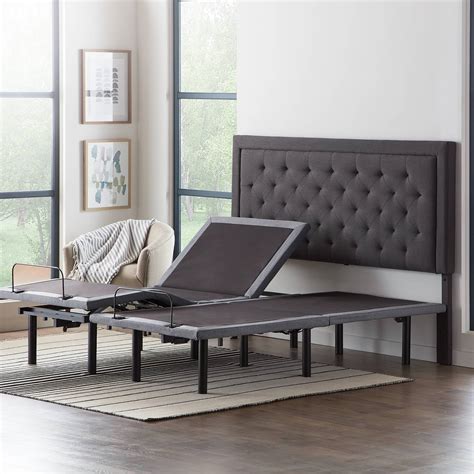
Before diving into the specifics of choosing a compatible headboard, it’s important to understand why you might want to add one to an adjustable bed. While adjustable beds are designed for comfort and convenience, they often come without a traditional frame or headboard. Adding a headboard can help anchor the bed visually, providing a sense of structure and style to the room.
Headboards are both functional and decorative; they provide back support when sitting up in bed and protect your walls from wear and tear. Additionally, they can enhance the bedroom's overall aesthetic.
Do You Need a Special Headboard for an Adjustable Bed?
One of the first questions to address when shopping for a headboard is whether you need a special one for an adjustable bed. In most cases, yes, you will need to consider the specific requirements of adjustable bases when choosing a headboard. Adjustable bed frames are different from traditional flat bed frames, as they allow the bed to elevate and adjust to various positions.
Read also: Detailed Review of Arccos Golf
There are typically two attachment styles for headboards: bolt-on and hook-in. A headboard designed to stand alone usually requires a bolt-on attachment. A bolt-on style headboard uses bolts and sometimes washers to stabilize and attach the headboard using its designated screw holes.
The hook-in attachment type is commonly used for headboards that connect to a footboard and rail system, often called a panel bed frame. After removing any horizontal slat on the panel-style frame, the adjustable base can fit within the four-wall structure formed by the headboard, footboard, and rails. Generally, hook-on style furniture cannot attach to the adjustable bed. Instead, the frame will surround it and require the matching hook-on rails and a footboard.
Undeniably, hook-in headboards must hook to their corresponding footboard and rail system or mount to something else. Bolt-on attachment is the most commonly offered attachment type with the best adjustable beds available today. So, if you're looking for a simple yet stylish solution for your adjustable bed, consider opting for a headboard with a bolt-on attachment. This type not only makes the setup a breeze but also enhances the beauty of your bedroom with its elegant headboard.
Key Considerations:
- Attachment Mechanism: Adjustable beds typically have a more flexible attachment system compared to traditional bed frames.
- Movement Clearance: The headboard should allow the bed to move freely without causing obstruction.
How to Use a Bed Frame with an Adjustable Base (Compatibility Guide)
Types of Headboards for Adjustable Beds
Several types of headboards can be used with adjustable beds, each offering unique benefits and aesthetic appeal:
1. Wall-Mounted Headboards
A wall-mounted headboard is often the best choice for adjustable beds. These headboards are attached directly to the wall behind the bed, ensuring no interference with the bed’s movement. Wall-mounted options provide maximum flexibility, as they don’t rely on the bed frame for support. Upholstered or wall-mounted headboards are ideal for small bedrooms, as they save space and add a cozy touch without overwhelming the room.
Read also: Apps for Oura Ring Users
2. Freestanding Headboards
Freestanding headboards, often attached to the bed frame itself, may work for adjustable beds with the proper adjustments. However, due to the movement of the bed, it’s crucial to choose a sturdy, well-secured freestanding headboard.
3. Adjustable Headboards
Some headboards are specifically designed to work with adjustable beds. These adjustable headboards allow users to modify the height or angle of the headboard in conjunction with the bed's movements.
4. Floating Headboards
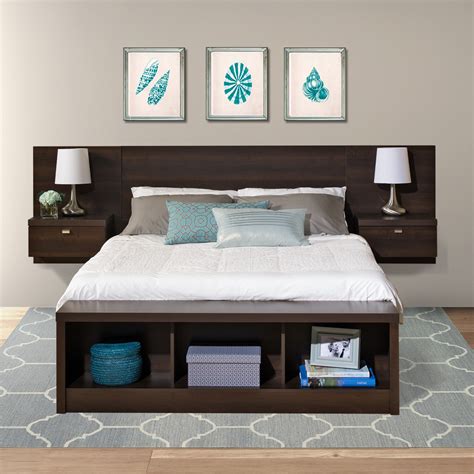
Floating headboards are mounted directly to the wall or suspended from the ceiling, providing a clean, modern look with minimal interference.
Headboard Materials
The material of your headboard can significantly impact its appearance and durability:
- Wooden Headboards: Offer a timeless, traditional look. They are sturdy and provide a solid, classic design for any bedroom.
- Upholstered Headboards: Are a popular choice due to their softness and comfort, especially for people who enjoy sitting up in bed.
- Metal Headboards: Offer a more contemporary or industrial look, and they are often lighter than wooden or upholstered designs.
Installation Tips
Installing a headboard on an adjustable bed can be more complex than on a traditional bed. Not all headboards work with adjustable beds.
Read also: What is S3-Compatible Storage?
Here are some tips to ensure a smooth installation:
- Ensure the headboard is compatible with your adjustable bed frame.
- Use appropriate brackets to secure the headboard.
- Consider adjusting the height of the bed legs for a customized fit.
- Use felt pads or rubber bumpers on the back of the headboard where it touches the wall.
Many Bed Tech adjustable beds integrate with many styles of platform beds with slats, using the zero clearance setup format. A zero-clearance adjustable bed is also compatible with most bolt-on headboards as long as you have the optional brackets. Additionally, innovative adjustable bed brands offer access to parts like brackets and semi-customizable adjustable bed leg heights. This way, your bolt-on headboard can easily be attached to the adjustable bed using the appropriate brackets.
Additional Considerations
Typically, a headboard should extend 14-29 inches above the mattress for aesthetic balance and comfort. Many headboards are designed to be wall-mounted, which allows you to use them without a bed frame.
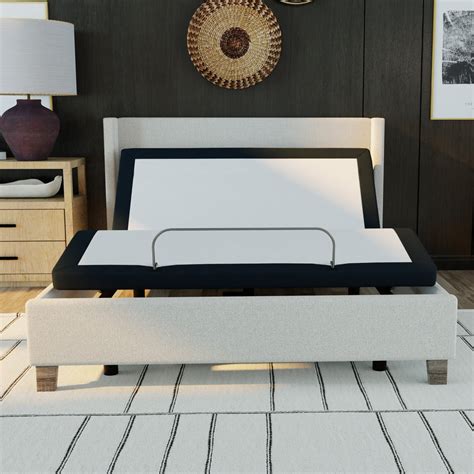
Bed Tech offers some of the best adjustable beds on the market, proving that unattractive, hospital-style beds that move are a thing of the past. With enhanced compatibility, you can even disguise the adjustable bed by adding a stylish bed frame that covers it.
Be sure to check out the BT6500 adjustable base, representing the pinnacle of modern, multifunctional adjustable beds. The BT6500 pairs well with various bed frame styles, even those with drawers underneath, using the zero-clearance installation process.
Conclusion
Choosing a headboard for an adjustable bed requires careful thought to ensure compatibility, comfort, and style. Whether you opt for a wall-mounted, freestanding, or adjustable headboard, the key is to find a design that supports the functionality of your bed while enhancing your room's aesthetic. Be sure to consider the materials, design, and installation process to make the best choice for your needs.
tags: #headboards #compatible #with #adjustable #beds