Shadow work is an integral part of witchcraft that requires us to dig deep into our unconscious, including the collective unconscious, to confront our fears, wounds, and negative beliefs. By uncovering these hidden aspects of ourselves, we become more aware of our emotions, thoughts, and behaviors, and we can transform our life for the better. By facing our shadows, we can bring light to a matter.
But what exactly is shadow work, and how can you incorporate it into your witchcraft practice? In this article, we will explore the concept of shadow work, explain its benefits and challenges, and provide some tips and techniques to get you started.
Whether you are a seasoned witch or a beginner, you can benefit from this transformative practice that can help us heal, grow, and empower ourselves. So let’s dive into the shadowy depths of our psyche and discover the magick within.
What is Shadow Work and the Shadow Self?
Shadow work is a process of self-discovery that involves exploring our shadow selves, which is the part of our psyche that we have repressed, denied, or rejected. Our shadow self encompasses all the parts of ourselves that we consider unacceptable or shameful, such as our anger, envy, guilt, and selfishness. This exploration often involves confronting the dark side of our nature. Our shadow self also includes your wounds, traumas, and limiting beliefs that stem from childhood, societal conditioning, or personal experiences. Feeling shame is a common emotional response during this process, often arising from early childhood experiences and societal reactions.
Shadow work is a way to bring these hidden aspects into the light of our awareness and integrate them into our conscious selves. By doing so we can heal our wounds, release our negative emotions, and transform our self-limiting beliefs into empowering ones. Shadow work is not easy or comfortable, but it is necessary if you want to grow, evolve, and become your authentic self. Embracing the journey of the inner self hero allows us to face our fears, heal from past traumas, and strengthen our magickal abilities.
Read also: Biblical Dream Interpretation
The term “shadow” was coined by 20th century Swiss psychiatrist and psychoanalyst, Carl Gustav Jung, who would later come to be known as the founder of analytical psychology. Jung believed the human mind consisted of many parts including (but not limited to) the persona, the self and the shadow. Essentially the persona is a mask we put on to survive as social creatures. This often will highlight what we perceive as our best traits, the ones that help us excel or succeed in our social environment. Our “self” or consciousness is ever-present, passively observing while we parade around as our silly little personas. This is the “you” that is watching and observing your thoughts and emotions. Our consciousness is driving the car: present for everything, but not always understanding what it’s absorbing. Behind this consciousness is our subconscious, a deep murky part of our mind that is always on. The subconscious rules the dream world and can also subtly impact our conscious behavior without us realizing it. In our subconscious rests all the symbols, colors, sounds, associations and repressions of our daily life. We carry it here, and it compounds on itself throughout our entire existence. It is always on, soaking in every little detail. It is also home to the parts of ourselves that wish to hide from others. We hide certain traits from the “light” so that no one can see them.
Jung defined the shadow archetype as the dark and emotional side of your personality or psyche.
I think it’s worth mentioning that although Jung coined the term “shadow work” and popularized it in modern Western culture, he certainly didn’t invent the idea behind the term. Journeying into the underworld only to be met with the dark and sometimes nasty parts of the self is by no means a new concept. Many indigenous people have practiced inner work that would now be recognized as “shadow work” throughout history. Shamanism is something that comes to mind immediately as a long-held traditional practice of facing, healing & integrating the deeper and darker parts of ourselves.
There is a large school of thought that teaches that the shadow is born in our early childhood as we learned that certain aspects of our personality received reactions of shame, anger and punishment. This often starts in the home with how your family responds to your behaviors, and is compounded as we begin experiencing the larger outer world as individuals. We do not want to feel fear, pain or shame, so behaviors or traits that cause these reactions we will start to repress or hide. Each of these scenarios might teach an innocent mind that expressing these parts of themselves is an unsafe thing to do, and we must hide this in order to “survive” our environment better. You will cry less, you will feel shame for being aroused, you will associate “needing” things with punishment and rejection, and so on. In order to avoid feeling the pain, you begin to pack away the parts of yourself that might cause someone to reject or shame you.
Over time the shadow self will grow, and because it is hidden away in the subconscious mind, a secret even to ourselves, it may begin to wreak havoc on your life. The more we repress or resist something, the bigger and louder it tends to make itself so that it can be heard. Shadow work is actively facing the difficult and “unwanted” parts of our personality, and embracing them with the ultimate goal of shadow integration. Shadow work is a lifelong process. It’s a commitment to your mental health, and wholeness.
Read also: Finding Purpose in Remote Work
There’s another messy layer to the shadow as well, in that because the Ego wants so badly NOT to be associated with any of the Shadow, but the Shadow wants so badly to be heard and seen, the Ego triggers a defense mechanism wherein it begins to project these shadow traits onto others around you. The ego misinterprets what comes from within as coming from outside. The call is LITERALLY coming from inside the house. Blame shifting, shame dumping and projection is much easier for the Ego to deal with. Projection is one of the nastiest parts of the Shadow because in my experience it causes the most problems, disruptions and explosions in your relationships, friendships and interactions with other people.
Why is Shadow Work Important in Witchcraft?
Shadow work is essential to witchcraft because it helps us connect with our inner power, wisdom, and intuition. When we acknowledge and accept our shadow selves, we become more aware of our strengths, weaknesses, and potentials. This process is crucial for our mental health as it promotes personal growth and emotional healing. We often deny ourselves of our potential, but again, to maintain that polarity in life, if we are able to acknowledge our weaknesses, then we better pump ourselves up and embrace our strengths. That’s where the magick happens, and we can use that energy, and that power (not to be cheesy) that can truly only be found from within to manifest our desires, cast spells, and create positive change in the world.
Shadow work can also help you overcome the blocks, fears, and doubts that hinder our magickal practice. For example, if we struggle with self-doubt, shadow work can help us identify the roots of this feeling, such as past failures, criticism, or comparison with others. Once you understand the source of our self-doubt, we can release it through journaling, meditation, or energy work, and replace it with self-confidence, self-love, and self-belief. This includes addressing both the positive and negative aspects of our inner selves, which can lead to greater self-acceptance and wholeness.
How can we attract true abundance, true love, or any other blessings if we, at our core, do not think we’re worthy of them? It’s an energy block. That underlying whisper of “I don’t actually deserve this” is hindering our magick. Engaging with rituals and practices that connect us to our environment and heritage can align us with the positive aspects of life and enhance our overall well-being.
Shadow work is important to your witchcraft practice because it helps you align with your true self and personal code of ethics. In other words, a witch who has done shadow work is less likely to go flying off at the handle. It can help you to understands the difference between due and undue justice. That’s not to say that we can eliminate all our faults, or that all of our shadows are in fact negative. It’s about facing your fears, exploring your desires, and coming to terms with all aspects of yourself. It’s often uncomfortable and challenging, but it’s also incredibly rewarding.
Read also: A Journey Through Witchcraft
What are the Challenges of Shadow Work for Mental Health?
Shadow work is not easy or comfortable, and it requires courage, commitment, and patience to confront our subconscious shadow, who wants to admit how shitty of a person they are? Who wants to admit that we’re holding ourselves back because we like living in the dark? But, it works! Some of the challenges we face during our shadow work journey includes:
- Resistance: Our ego may resist or deny the shadow aspects of yourself, as it seeks to maintain its self-image and avoid discomfort. Learning to properly sit in your pain in a healthy headspace is a true journey in itself. It's not about being sad and lamenting, but rather, sitting in our pain, and learning from it.
- Triggering: Shadow work can trigger intense emotions, such as anger, fear, or sadness, that you may not be accustomed to expressing or processing. Once we are triggered, it may take us weeks even months to fully process that trigger, and we may be hit with a series of very deep lows during this period. It's okay! That's exactly what needs to happen.
- Overwhelm: Shadow work can also be overwhelming or confusing, as it involves confronting deep and complex issues that may require a lot of inner work and external support.
By engaging in shadow work, we can align with our true self, facilitating personal growth and transformation.
To overcome these challenges, it is essential to approach shadow work with a non-judgmental, compassionate, and curious attitude: Observe the situation objectively, logically if you will. Take the emotions out of it. We can also seek guidance from experienced witches, therapists, or healers who can support you on your journey and help you integrate your shadow self.
You shouldn’t go into shadow work lightly, it could even potentially be psychologically harmful to you. Please do your due diligence and take care of yourself. Seek out a mental health professional if it’s in your means to do so.
How Can You Incorporate Shadow Work Into Your Witchcraft Practice?
There are many ways to incorporate shadow work into your witchcraft practice, depending on your preferences, needs, and goals. Dream work, such as paying attention to dreams and nightmares and journaling about these experiences, can provide insights into hidden aspects of the self that may need addressing through shadow work. Here are some ideas to get you started:
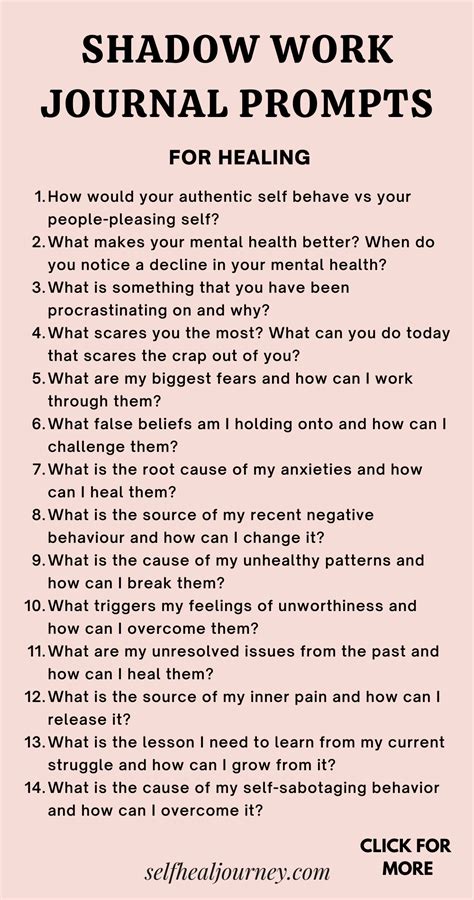
- Journaling: Writing down our thoughts, feelings, and insights can help us process our shadow material and reflect on our progress. We can use prompts, such as "What are my fears?" or "What are my strengths?" to inspire your writing. It's surface level, but it's a starting point.
- Tarot or Oracle cards: Using tarot or oracle cards can help you connect with our intuition, receive guidance, and explore our psyche. How to do this: As we shuffle our deck, we ask spirit: "What is my shadow self teaching me?" or "What do I need to release to move forward?" and then as we draw a single card, we reflect on how the themes present in that card may apply to us.
- Meditation: Practicing meditation can help us calm our mind, observe our thoughts and emotions, and connect us with our higher selves. We can use guided meditations, binaural beats, or mantra meditations to enhance our experience. To do this: Think of a shadow that we want to address, and simply as our guides to open us space for us. Then put on a guided meditation and journey.
- Affirmations: I am very much a dark witch (sometimes referred to as a shadow witch, or someone who works within the shadows) and am often conscious of how my energy naturally reverts to doom and gloom. Lately I've been saying "everything is working out for me", and it's helped me keep my headspace clear when I want to freak out and self sabotage. Take deep breaths and consciously and redirect your throughts.
- Energy Work: Performing energy work, such as Reiki, EFT, or Chakra balancing, can help us release negative energy, balance our energy systems, and increase your vitality. You can work with a practitioner or learn self-healing techniques.
- Practical Magick: Practical magick emphasizes the importance of self-exploration and healing within magickal practices, intertwining the idea that engaging with one's inner psyche and addressing deeper fears can enhance one's magickal abilities. Acknowledging the shadow realm, where hidden traits exist, is crucial for personal growth and relationships until these traits are recognized and addressed.
Here are a few exercises that may help:
- Make a list of things that scare you. This could be anything from public speaking to spiders to being alone in the dark. Once you have your list, pick one fear and visualization facing it. For example, if you’re afraid of public speaking, visualize yourself giving a speech in front of a large audience. Tip: try incorporating a magical working to banish or repel the thing that scares you. This can be completely visual.
- Spend some time exploring your desires. What are the things that you want but would never admit out loud? What doesn’t hurt anyone but makes you feel guilty or ashamed? Write them down or draw them out; spending time with your desires can help you accept them and integrate them into your life in a healthy way. Tip: try a gratitude ritual afterward to thank the fear for keeping you safe, but ask it to leave because you no longer need it.
- Identify an issue that you’ve been avoiding. What are you procrastinating on? What do you keep putting off because it’s too difficult or too painful? Shadow work is about facing your fears head-on, so make a plan to tackle that issue and take action. Tip: Make task planning into a ritual by setting aside a few minutes, light a candle, incense, or whatever lifts your mood. Then brain dump it all.
- Write down any beliefs or patterns that are holding you back. For example, do you believe that you don’t know enough or that you don’t deserve knowledge? Once you identify your negative beliefs, spend time working on counteracting them with positive affirmations or mantras. Tip: Take your fear and turn it around to make a mantra. Go from “I’m afraid I’ll never make enough money” to “I know I can financially support myself”.
Start by journaling about your fears and secrets. Identify your triggers. What makes you feel angry, scared, or sad? Talk to someone who understands shadow work.
Other tools that can be used for shadow work:
- Dance: Dancing is something that not only cleanses our Chakras, helping to re-align them but it also raises our vibrations.
- Orgasm: Whether this is with a partner, or self-induced, nothing really shows us how Divine, and how human we are as the act of orgasm. This serves a few purposes, too: it feels good (duh), it cleanses our Root and Sacral Chakras, and it gives a much-needed boost of “happy hormones” which in turn raise our vibrations.
- Nature: Spending time in Nature is something that should be practiced often but not all of us are afforded the time, or opportunity to get out there.
- Baths: Water is cleansing, not just literally but Spiritually too. I was once told by a teacher that all water is connected, so even if I am sitting in my bath tub in the middle of the city, it’s as if I am sitting in flowing stream out in the middle of the woods. I like to add salt and herbs (my mood determines which ones I use) to my bath’s-it makes it a mini ritual, and one that is super easy.
Always ensure you are in a safe place when you start shadow work, and that you have a support network you can easily access when and if you need it. Your witchcraft practice should never cause you harm.
As you start your shadow work journey, keep a diary of any differences in your mood as well as your spellwork variances. Emotions are energy and can greatly affect the outcome of our spellwork. In addition to this, I also recommend some further reading on the shadow self.
Mindlessly walking into shadow work is as precarious as stumbling barefoot through a dark forest. Strange noises, tangled roots to trip over, and thorny brambles nipping at your ankles.
It’s time to employ the good old Socratic method and start asking yourself some probing questions to unroot and detangle this feeling. Who haven’t I forgiven? Why haven’t I forgiven them? What can’t I let go of? When is the last time I felt rejected? These prompts are great places to begin with identifying some of your shadow aspects. Like I said, it’s messy work and generally speaking these are things we would rather stay hidden and not deal with.
Below is a list of traits that are generally thought of as “bad” or “negative.” Which of these words pops out the most to you as something you really don’t want to be seen as. Something you work really hard not to be.
Why Should I do Shadow Work?
We should all strive to incorporate some form of shadow work into our daily lives because by the nature of the shadow: we are repressing and hiding pieces of ourselves. We begin to feel like part of us is lost, or that we are no longer ourselves. This can cause us to have lingering feelings that we are incomplete, or broken.
Walking away from a conversation about shadow work can often leave you with heavier feelings of shame because you’re digging into parts of yourself that have held on to these emotions for so long.
Having a shadow doesn’t make you a bad person. Feeling shame is natural and human. Through shadow work, our goal should be on encouraging ourselves to have the power to show up, look in the mirror, and give love what we see without judgment. We want to be aware and present for our full self, including all the awkward scars, stretch marks, bulges and imperfections: but we don’t want to identify as these things. We are the whole entity, not the minute detail. Shadow work may be messy, but the ultimate goal is acceptance and integration. It should ultimately be liberating.
The shadowy depths may be scary and “unknown” but it’s in these spaces that we often find the most growth. You gotta take a Fool’s Leap of Faith into the darkness, and trust that you’ve got this.
Shadow work is not a new concept in witchcraft, but it is a powerful and transformative one that benefits our life in many ways. By embracing your shadow self, we can heal our wounds, liberate our creativity, and expand our consciousness.
Just as the alchemist mixes their ingredients to suit the desired results, the goal of shadow work is not to eliminate all shadows from your life; rather, it’s about finding a balance between light and darkness. Develop a practice that flows with everyday life by living with the seasons and the moon. The dark side of life is often viewed as something to be feared. But what if the dark side could be used to our own empowerment? This is the idea behind shadow work in witchcraft.
Summary: Remember that shadow work is a personal and ongoing journey that requires self-awareness, self-compassion, and self-care. We must go at our own pace, take breaks from the shadows when needed and remember when to keep it LIGHT for mental balance.
Shadow Work and Ancestral Work
The Jungian style of shadow work is excellent for resolving limiting beliefs about yourself, your abilities, strengths and helping you realize your place in this world. It’s ideal for resolving childhood messages that influence our current adult behaviors. His archetypes create an easily relatable model we can reference. The psychological form of shadow work helps us better understand these behaviors and blockages. Psychology helps us resolve our trauma. It helps us balance and resolve our self-sabotaging attitudes and habits. We do all this to live a better life and to have better relationships. We do this work so we can be happier and healthier.
The shadow is an unconscious aspect of one’s personality the ego judges, fears, or rejects to the degree that the shadow becomes detached from one’s personality. This denied and rejected part of our personality and psyche is transformed into the shadow and becomes an enemy. It is working behind the scenes to disrupt and challenge our progress. Why? Well, because it was wrongfully jailed and placed in a dark closet to forever be ignored. This was all done without a trial or explanation. This would anger anyone, so you can imagine how your shadow feels right about now. It will also be helpful to view your shadow aspect and sentient beings.
Shadow work implies a shift of consciousness or perception. It requires you to address the aspects of yourself that are in the darkness. Shadow work is about transforming the relationship between your ego and these disowned traits. The key is to remember that your shadow aspects are tainted by judgment and fear. They have lost trust in you. Your work is to regain their trust and repair this relationship.
But shadow behaviors are not the Shadow itself,” explains one of my teachers of Shadow Work, Christina Pratt. “ Often, the focus is on a symptom and not the source. This means the sincere work of transformation results largely in a spiritual bypass.
His methods and theologies have become a clinical perspective, which doesn’t factor in the benefits of our ancestral work in the shadow. This explains our friend’s perspective when insisting that everyone should practice ancestral work instead of shadow work.
Shadow work can be used for psychological healing as well as ancestral healing. Our ancestors viewed the practice of shadow work from a non-clinical or linear lens. Shadow work was used by mystics, shamans, seers, and sages to deal with ancestral wounds, heal the mother line, resolve generational curses, and deal with the aspects of self that tend to get locked away due to social and cultural conditioning. Ancient shadow work involved working with spirits, deities, and guides to help navigate the shadow realm. Of course, they did not call it shadow work. They might have called it cleansing, journeying, or by another name familiar to the locale or tribe.
As a modern practitioner of shadow work, I see the value of both types. In my work, I take the mystical and shamanic forms of shadow work and meld them with the Jungian forms of shadow work. I work with ancestors, guides, guardians, crazy logic, and even deities to help repair relationships with the ego-self and shadow self. This alleviates the wound spiritual bypassing, and the overly clinical focus can create. Actual shadow work expects you to look deeply into yourself, your traumas, your ego, and your own tendency towards narcissism. It’s challenging work. It’s work that cannot be done alone.
There is an enormous benefit to discovering the key to finally resolving your blockages. There is enormous freedom in dissolving your counterproductive habits and behaviors. To heal using shadow work, the process must come from a holistic foundation. The bottom line is that shadow work is not done in the head.
Shadow work for witches (only) 🔥 || how to actually do shadow work? tips + 15 prompts to start
tags: #is #shadow #work #witchcraft