Life is a beautiful tapestry woven with moments of significance and meaning. Birth months are not merely dates on a calendar but markers of our journey, each carrying its symbols and stories.
The Language of Symbols: Birthstones and Flowers
Birthstones have long been cherished for their mystical properties and symbolic significance. These gems are believed to align with specific birth months, offering blessings and protection to those born within them.
Whether it's the January garnet symbolizing love and devotion or the May emerald representing rebirth and fertility, birthstones serve as talismans of strength, courage, and prosperity. We would also like to recognize rainbow babies with the stone prism hematite.
In the language of flowers, each bloom carries a message, reflecting the sentiments and emotions associated with different birth months.
Here's a glimpse into the birthstones and flowers associated with each month:
Read also: Unlock Your Financial Potential
Where Did Birthstones Come From?
| Month | Birthstone | Flower |
|---|---|---|
| January | Garnet | Carnation, Snowdrop |
| February | Amethyst | Violet, Primrose |
| March | Aquamarine | |
| April | Diamond | |
| May | Emerald | |
| June | Pearl | Rose, Honeysuckle |
| July | Ruby | Larkspur, Water Lily |
| August | Peridot | Gladiolus, Poppy |
| September | Sapphire | |
| October | Tourmaline, Opal | Marigold, Cosmo |
| November | Topaz, Citrine | |
| December | Tanzanite, Zircon, Turquoise | Narcissus, Holly |
Beyond Gems and Blooms: Unveiling Deeper Meanings
While birthstones and birth flowers hold a prominent place in the symbolism of birth months, other meaningful symbols enrich our understanding of each month's significance.
From astrological signs and zodiac symbols to historical events and cultural traditions, each element adds layers of depth and richness to our interpretation of the passage of time.
Astrological Influences: Zodiac Signs and the Moon's Embrace
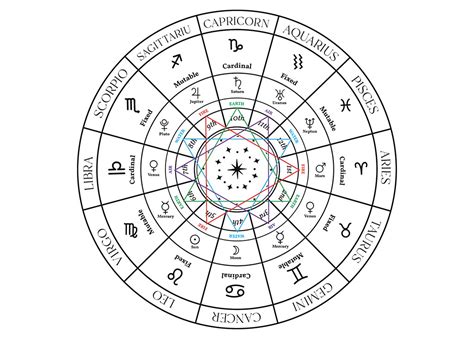
Long before modern psychology, cultures worldwide looked to the skies for meaning. Systems like the zodiac emerged, mapping the sun's apparent path through the constellations over the year. Each segment of this celestial cycle became associated with certain qualities, energies, and life themes. The time of year someone is born places them within one of these zodiacal segments.
Traditional astrology proposes that the positions of celestial bodies, like the Sun and Moon, at the moment of birth symbolically relate to an individual's inherent tendencies and psychological makeup. For instance, some signs are associated with fiery initiative (like Aries, linked with Mars), others with earthy stability (like Taurus), airy intellect (like Gemini), or watery emotion (like Cancer). It's viewed as a potential map of inner dynamics, highlighting areas of strength, challenge, and focus throughout life.
Beyond the Sun's yearly cycle, the Moon holds a particularly potent place in symbolism and, according to Jungian thought, in our psychological landscape. Jung suggested the Moon symbolically touches our deepest emotional wells, our subconscious patterns, and our relationship with archetypal figures, particularly the Mother archetype.
Read also: Confident Childbirth
The symbolic resonance of the Moon at our birth time might reflect our core emotional needs, how we seek security, and our earliest relationship patterns. For example, a symbolic connection to water signs (Cancer, Scorpio, Pisces) might suggest deep emotional currents and high sensitivity, while a connection to fire signs (Aries, Leo, Sagittarius) might point towards emotionally expressive and passionate needs.
The Moon's influence extends beyond the personal into the collective unconscious. As a universal symbol, it resonates with ancient, shared human experiences. Its cycles of waxing and waning mirror themes of birth, growth, decay, and rebirth - fundamental processes of life and transformation.
Carl Jung and the Collective Unconscious
Have you ever felt there are deeper currents moving beneath the surface of your personality, unseen forces shaping your reactions, desires, and the path you take? The moment we enter the world is unique, a specific point in time's ongoing flow. Could this timing hold symbolic echoes that resonate within our deepest psychological structures?
Carl Jung, a pioneer who charted pathways beyond traditional psychology, suggested that our individual awareness is just the tip of the iceberg. Beneath it lies the vast ocean of the "collective unconscious." This isn't just our personal forgotten memories, but a shared reservoir of psychic traces, inherited from human experience throughout history.
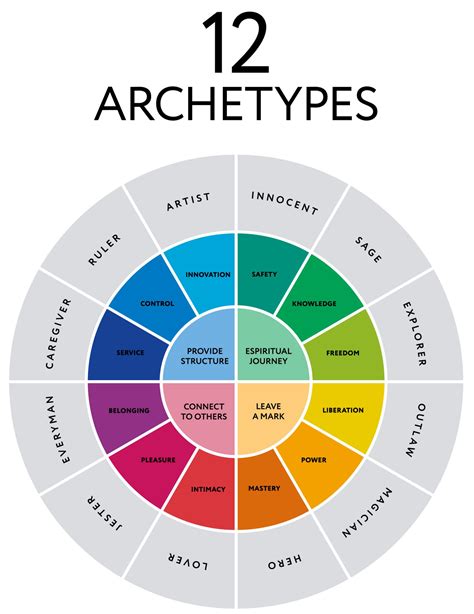
Within this shared depth, Jung identified "archetypes." These aren't rigid definitions but universal, primal patterns or images - like the nurturing Mother, the guiding Father, the courageous Hero, the hidden Shadow (representing the parts of ourselves we often deny), or the Wounded Healer who finds strength through overcoming pain. These archetypes appear across cultures in myths, fairy tales, religions, and art. They are timeless themes that influence how we perceive the world, our inner conflicts, our search for meaning, and our personal growth, often without us even realizing it.
Read also: Comprehensive Postpartum Guide
Using Birth Month Symbolism for Self-Reflection and Growth
Understanding the potential symbolic significance of your birth month, viewed through this lens, isn't about predetermined destiny. Instead, it's an invitation to deeper self-reflection. For instance, reflecting on being born under a sign associated with stability (like Taurus) might illuminate a deep need for security and tangible comfort, but perhaps also a tendency towards resisting change. Considering a birth time linked symbolically with communication (like Gemini) might highlight a natural curiosity and adaptability, but potentially a challenge in emotional depth.
The value lies not in prediction, but in using these symbols as prompts for introspection. What patterns resonate? Exploring the symbolism connected to your birth month can be a powerful tool for personal development. It encourages you to look beneath the surface of your everyday personality and engage with the rich, symbolic world of the unconscious that Jung described. This awareness can illuminate inner conflicts, deep-seated desires, fears, and potentials for growth.
It can help you understand why you react in certain ways, what you truly seek in terms of emotional security, and how you might navigate significant life transitions. Recognizing these patterns-whether a pull towards logic that suppresses feeling (perhaps symbolically linked to Virgo) or a desire for harmony that overlooks personal needs (symbolically linked to Libra)-is the first step towards conscious choice and integration.
The Power of Birth Month Colors
Just as each month has a birthstone and flower, it also has a corresponding color that can influence our moods and behaviors.
Here's a quick guide to the colors associated with each month and their meanings:
- January: Caramel - Practical, determined, builder
- February: Sheer Lilac - Creative, energetic, motivational
- March: Fair Aqua - Perceptive, compassionate
- April: Cayenne - Passionate, brave, empowered
- May: Bud Green - Revitalizing, energizing, new beginnings
- June: Aspen Gold - Inspiring, invigorating, illuminated
- July: Coral Blush - Open-minded, supportive, tender
- August: Sun Orange - Luminous, self-assured, influential
- September: Baja Blue - Intelligent, clever, refined
- October: Cerulean - Subdued, calming, tranquil
- November: Claret - Fiery, emotional, driven
- December: Pagoda Blue - Informative, intelligent, curious
In the tapestry of life, birth months are threads woven with symbols and stories that enrich our existence. From the timeless allure of birthstones and birth flowers to the deeper meanings encoded in astrological signs and cultural traditions, each element adds depth and significance to our journey.