Before the advent of modern medicine, ancient practices, such as yoga, meditation, and tai chi, offered stress-reducing techniques that also indirectly aided sleep. These practices included mudras, or hand gestures meant to stimulate certain energies in the body, mind, and spirit. You can practice yoga mudras to help you fall asleep. Research also suggests mudras can help with asthma, inflammation, and high blood pressure. Read on to learn more about this esoteric practice and how it may help improve sleep.
What is Mudra?
“Mudra” is a Sanskrit term that means “gesture.” In yogic practices, this word refers to particular hand positions, often involving gentle pressure between the fingertips. Each hand pose, or mudra, represents a closed loop that’s believed to energetically seal the spiritual energy within the body. This gesture or pose is held in place for a length of time, from a few seconds to long-form meditation. The term mudra is also commonly used in Indian classical dance, which is considered a form of yoga known as Bhakti or devotional yoga. In Hindi, the word mudra can also mean token, currency, or seal.
The term “Hastha yoga” is also used to refer to hand-based yoga techniques, like mudras. Our hands have a network of nerves and nerve endings. Practitioners believe that mudras stimulate these nerves, which in turn communicate with the brain.
“The practice of yoga mudra facilitates the flow of energy in the body,” says Elizabeth Huber, a yoga therapist, yoga nidra teacher training facilitator, and yoga health coach. “The specific mudras affect certain states of mind and create and maintain equilibrium in the five elemental energies in the body that help in a healthy life.”
Huber also believes that mudras act as physical representations of mental phenomena. “Mudras act as pathways to rewire the brain. By curling and touching the fingers, we can access a mind-body connection, as each area of the hand corresponds to a certain part of the mind or body,” she says. Superna Yamuna Chopra, a yoga acharya and holistic life coach, believes that mudras can be a pathway to self-realization.
Read also: Natural Remedies: Mudra and Yoga
“Mudras are an advanced yogic practice that leads to the awakening of the prana, chakras (or energy centers), and Kundalini shakti,” Chopra says. Prana refers to life force in Sanskrit. Kundalini shakti refers to the energy of creation, said to be coiled at the base of the spine until enlightenment is achieved, and it ascends to the crown of the head.
According to yoga instructor Ashish Painuly of Fitsri.com, mudras “work on the Ayurvedic principle of five fundamental elements, or Pancha tattva, of which our body is made up of.” These elements are represented by the five fingers. When you press your fingertips together, the corresponding elements are stimulated, Painuly says.
The five elements and corresponding fingers are:
- Thumb: Fire
- Index finger: Air
- Middle finger: Space
- Ring finger: Earth
- Little finger: Water

Mudras and Their Benefits
Mudras are believed to have been used in ancient times to help relieve stress. Many Indian studies mention mudras as a culturally relevant practice that is believed to help with a number of ailments, such as:
- Asthma
- Inflammation
- Blood pressure
A small 2018 study suggests that yoga mudras may help improve the quality of sleep for patients with snoring problems as well as sleep apnea. However, the study authors stressed the need for standardized protocols. While mudras may be a helpful complementary practice when it comes to sleeping more soundly, more research is needed to confirm this.
Read also: Mudras for Weight Loss
Yoga and yoga mudras represent a form of ancient wisdom that can serve as a complementary therapy. While they may offer support for sleep, they shouldn’t replace medical advice, diagnosis, or treatment.
How to Practice Mudras
Before getting started with mudras, Chopra recommends seeking out an experienced and culturally competent teacher. “Yoga mudra unites the individual consciousness with the supreme consciousness, or the outer nature with the inner nature,” she says. “Mudras are a very advanced yogic practice and should be ideally taught by a seasoned and experienced teacher or guru.”
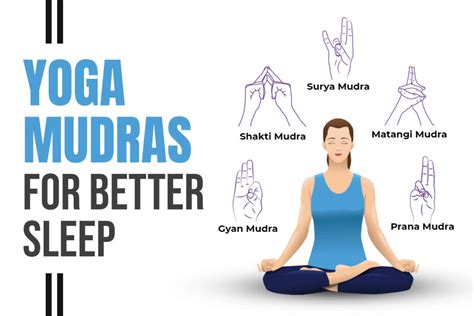
According to Huber, it’s best to start by rubbing the fronts and backs of the hands together to heat them up and activate the nerve endings. Then, relax the hands and pay attention to the sensations before beginning the practice. The mudras below are popularly used for sleep. Experts suggest seeking training from a qualified practitioner. According to Painuly, mudras can be practiced lying down. “There’s no harm if you fall asleep while holding the mudra,” he says. “You can put your hands on your chest, navel, or simply down beside your hips [while you practice].”
Yoga instructors suggest that measurable results can be observed when yoga mudras are performed daily, over an extended period. Many of these include a level of meditation, a practice known to reduce stress and anxiety. Mudras are common in Indian classical dance and an important part of Hindu ritual practice. A Sanskrit text on performing arts from about 300 BCE, known as the Natyashastra, mentions 37 mudras and their energetic functions. Mudras also have a special importance in Buddhism. Several mudras represent many events within Buddha’s life that led him to self-realization. To many, the Buddha’s hand gestures represent a blessing or transmission of a meditative state. Yoga-related activities are a popular part of wellness practices everywhere for many reasons. Yoga, certain mudras in particular, can help you get better sleep.
Shakti Mudra for Sleep disorders |mudra for sleep
Read also: Significance of Abhaya Mudra
Specific Mudras for Insomnia
Shakti Mudra
Shakti means the feminine energy of the universe. Shakti means the goddess of life energy. Shakti is the primordial feminine energy the cosmos that is responsible for all the creation and represents the dynamic forces that are thought to move through the entire Universe. It resembles the Power and Strength. Practice of Shakti mudra has a calming effect on the entire body. This brings you long term peace and stability. It helps reducing sleep issues. It enhances the inner strength and power and ultimately enhances physical and mental wellbeing.
How to do this Mudra?
- Sit in a comfortable position. Any place is fine just use a mat, carpet, or rug to sit on a floor.
- Sit straight keeping the spine erect.
- Hold both the hands facing each other.
- Fold the thumbs in the palm.
- Curl up the index and middle fingers over the thumbs
- Keep the ring and little fingers straight.
- Now bring both the hands near each other so that the ring and little fingers of both the hands touching each other and respectively. And the curled up fingers are touching to each other as well. And also the wrists are touching to each other.
- Now close your eyes and pay attention to your breathing.
- Your mind will be thinking about many things; that’s ok; thoughts will come and go….Bring back your attention to your breathing and now when your are breathing in your mind Say "SO” and when you are breathing out say "HUM” in your mind and not loudly.
You can Practice this Mudra any time of the day. Before going to bed will be more beneficial if you are practicing it for sleep problems. When practicing before going to bed; it is recommended to do this Mudra at least one hour after your dinner.
Benefits of Shakti Mudra:
Induces good sleep, relieves the tension and calms the mind, Provides peace and stability. It has good impact on sleep; so those who are suffering from insomnia, finding hard to fall asleep, if have disturbed sleep and can not go back to sleep for longer time; this mudra is a magic remedy for them. It balances the second or the "Swadhisthan Chakra”. It regulates the Apan Vayu, and bring balance to its functions like and help regulate excretion and urination. Encourages new ways of thinking and transforms the mind into positive attitude. Provides courage. This mudra helps for curing the physical weakness. As it strengthen the bone and the muscles.
Kulasu Mudra
In this article, we explore Kulasu Mudra, a specialized Mudra(hand gesture) designed to address insomnia and promote restful sleep.
Key Benefits of Kulasu Mudra
- Combats Insomnia: Helps alleviate sleeplessness and promotes restful sleep.
- Relaxes the Body: Induces a state of relaxation and calmness, preparing the body for sleep.
How to Perform Kulasu Mudra
- Left Hand Position: Extend your left hand, palm facing upwards.
- Right Hand Mushti Mudra: Make a fist with your right hand (Mushti Mudra), extending only your index finger.
- Locating the Pressure Point: On your left wrist, locate the line extending directly down from your little finger towards the beginning of your wrist.
- Applying Pressure: Gently touch the tip of your right index finger to this specific point on your left wrist.
- Pulse Detection: Adjust the pressure slightly until you can feel a subtle pulse.
- Focus and Breath: Maintain this position, focusing on your breath and allowing your body to relax.
- Duration: Practice for approximately 6 minutes, or until you feel a sense of calm and sleepiness.
Additional Tips for Severe Insomnia
If you're experiencing severe insomnia, try practicing Prana Mudra for 10 minutes before performing Kulasu Mudra. This combination may further enhance relaxation and promote sleep.
Kulasu Mudra - Best Practices for Optimal Results
- Choose a quiet and comfortable space for your practice.
- Establish a routine by practicing at regular times.
- Avoid distractions.
- Apply gentle pressure to the pressure point. Avoid applying excessive pressure and be mindful of the pressure points to ensure proper technique.
- Focus on your breath, allowing it to flow naturally and deeply.
- For chronic insomnia, practice regularly for optimal results.
- If insomnia persists, consult with a healthcare professional to rule out any underlying medical conditions.
Integrating Kulasu Mudra into Your Bedtime Routine
Kulasu Mudra can be incorporated into your bedtime routine to promote relaxation and prepare your body for sleep. Combine it with other healthy sleep habits for a holistic approach to overcoming insomnia. Remember that consistent practice, combined with a healthy lifestyle, is key to experiencing the full potential of mudras.
Matangi Mudra and Chin/Jnana Mudras
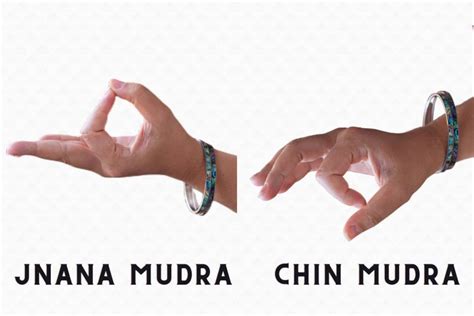
Like most of those mudras that look like variations of hands folded for a prayer, the Matangi Mudra brings inner calm and harmony. Sometimes we feel as though our life is made only of tasks we have to perform, obligations and duties and responsibilities. On a day that like that, going to bed feels like stealing leisure time from yourself! But sleep is so good for you… Don’t let this panic of missing out get you - practice Chin/Jnana mudras, gestures of wisdom and knowledge, to connect, in your meditation, to something bigger than life. Find peace, find wisdom, find a blissful emotional coolness that comes with a clear mind. For convenience, hold the Jnana Mudra by placing your hands loosely on your knees, sitting comfortably.
Understanding Insomnia and Natural Sleep Aids
Insomnia, or sleeplessness, can stem from various factors, including stress, changes in environment, underlying health conditions like diabetes, and even neck pain. While sleeping pills may seem like a quick fix, they can have drawbacks, including dependency and reduced effectiveness over time. Kulasu Mudra offers a non-pharmacological approach to addressing insomnia.
Before introducing the mudra, let's review some natural sleep aids:
- Dietary Habits: A light dinner consumed before 7 PM can promote better sleep. Warm milk, potentially with a banana, can be a calming bedtime snack.
- Sleep Hygiene: Establishing a regular sleep schedule, creating a relaxing bedtime routine, and ensuring a comfortable sleep environment are essential.
✅ Latest research shows there are no natural “owls”: humans are wired to go to bed with sunset and to wake up at sunrise, so try flying with going to bed at 11 pm - you’ll find out that morning hours are way more inspiring and refreshing than you thought they were!
tags: #mudra #for #sleeplessness