Iron is a natural component of the earth's crust, but its presence in water supplies can lead to various problems. While a large amount of iron in water isn’t a health concern for most people, it can damage your appliances and stain clothes. The Environmental Protection Agency (EPA) classifies iron as a secondary drinking water contaminant. However, this means that iron, and other secondary contaminants, can cause aesthetic issues and technical effects like pipe corrosion. For these reasons, the acceptable level of iron in drinking water is 0.3mg per liter.
Here are several indications that your water’s iron levels are too high.
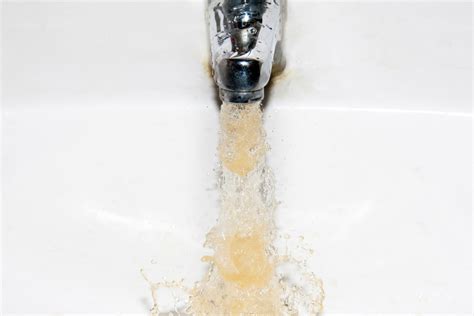
How Can You Identify Excess Iron in Water?
1. Metallic Taste
One of the most noticeable signs of excess iron is a metallic taste. If you’ve ever cut your lip and tasted blood, you’re familiar with the metallic taste that iron creates. Disagreeable Taste - Iron can alter your drinking water’s taste and smell and the food you wash or cook in the iron-tainted water. While this can make your normal drinking water unpleasant, it may also alter the flavor of foods that you cook in water, such as pasta. It may even turn vegetables black if you boil them and cause them to have a strong, unappealing taste.
If you regularly drink tea or coffee, you may find that preparing these beverages with your tap water also produces a black, inky appearance and off-putting flavor. While this is not harmful, it can ruin your favorite drinks and dishes until you remove the iron from the system.
2. Discoloration and Staining
Iron-heavy water leaves a red, orange, or brown color on plumbing fixtures. Iron Stains - Iron concentrations as low as 0.3 milligrams per liter (mg/L) can leave behind red and brown stains on your fixtures, plumbing, laundry, and dishware. This is most noticeable around the faucets and drains, and without regular cleaning, the residue can stain your sinks, bathtubs, and toilets. You may also see the unsightly marks on your cutlery and dishware.
Read also: Importance of Fire Sprinkler Room Signs
If the concentration of iron is high enough, the water may even stain your laundry after you run it through the washing machine. This is especially dangerous for white and light-colored clothing because the iron can permanently discolor these garments.
3. Soap Ineffectiveness
Water that is rich in iron is harder, which means it can interfere with the soap you use when bathing. Iron contamination can have the same effects as hard water, creating soap scum and making detergents less effective. These minerals prevent the detergent from lathering, preventing you from rinsing it off efficiently.
When the soap lingers on your skin, it draws moisture out, leading to dry skin and irritation.
4. Plumbing Clogs
Iron leaves behind a residue in the form of sludge. High iron levels can quickly clog pipes and pumps with telltale reddish slime. Over time, iron deposits can clog your pipes, reducing water pressure and causing costly plumbing repairs. Your appliances, like water heaters, dishwashers, and washing machines, take a hit too. Iron and mineral buildup can coat heating elements, making them less efficient and driving up energy bills. Slime can render your pipes useless.
5. Changes in Water Appearance
When your water contains iron, you won’t see glistening, clear water. Does your water look clear when it comes out of the tap, but turns cloudy or brownish after sitting for a bit? That’s ferrous iron at work, oxidizing as it hits the air.
Read also: Dominant Zodiac Traits
How To Test Iron Levels Of Water
Sources of Iron in Water
The presence of iron in water is common in certain areas. Iron can make it into your water through one of two ways: seepage from groundwater containing trace amounts of iron or corrosion of pipes as water travels from well to tap. According to World Atlas, iron makes up about 5% of the Earth’s crust, so it’s easy enough for some amount of that heavy metal to leach into water supplies through rock and soil.
More specifically, iron can build one of two ways. Firstly, rainwater or melted snow on the earth's surface can soak through rocks or soil containing iron, transporting it into the water supply. Rainwater with dissolved iron can also drain into local water sources, such as rivers and lakes, contaminating the local water supply. Alternatively, iron can contaminate water sources through the corrosion of iron or steel water pipes.
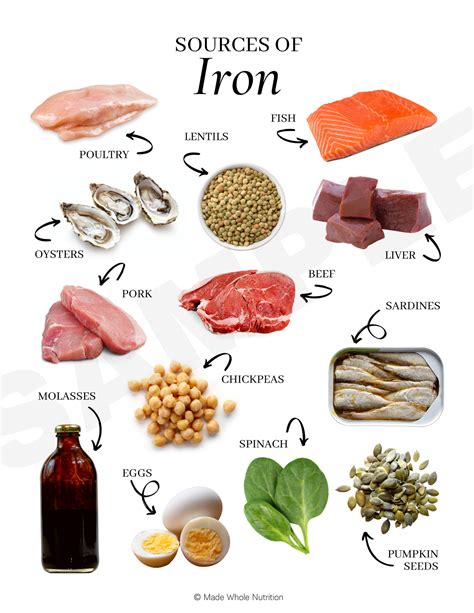
Types of Iron in Water
Different types of iron may find their way into drinking water: iron bacteria, dissolved ferrous iron, or insoluble red water ferric iron.
- Ferrous iron (“clear-water iron”): Water comes out of the faucet clear, but turns red or brown after standing.
- Ferric iron (“red-water iron”): Water is red or yellow when it first comes out of the faucet.
- Organic iron: It is usually yellow or brown, but may be colorless. Very shallow wells or wells affected by surface water are more likely than other wells to have organic iron.
Testing for Iron in Water
To be sure your problem water is caused by iron, your water can be tested for mineral content. Yellow or red colored water is often a good indication that iron is present. However, a laboratory can tell you the exact amount of iron, which can be useful in deciding on the best type of treatment. In addition to testing for iron, it can be helpful to test for hardness, pH, alkalinity, and iron bacteria.
Read also: Countries by Zodiac Sign
The best way to test iron levels in your water is to have an in-home water test performed. Instead of having to test the water yourself, drive to your health department or interpret complicated results, just relax while an expert takes a quick sample and provides answers in as little as 30 minutes.
Minnesota Department of Health recommends you use an accredited laboratory to test your water. Contact an accredited laboratory to get sample containers and instructions, or ask your county environmental or public health services if they provide well testing services.
Treatment and Removal of Iron in Water
There are several options for removing iron in water. Effectively treating iron depends on the form(s) of iron present, the chemistry of the water, and the type of well and water system. It is best to work with a water treatment specialist to find the best solution.
Water Softeners
One good option is water softener systems for homes, which naturally filters out minerals such as iron, magnesium and calcium. Water softeners are the more common method. Manufacturers report that some water softeners can remove up to 10 mg/L. However, 2 to 5 mg/L is a more common limit. However, as iron can quickly build into large deposits, it's necessary to do regular backwashes of the water softener.
Water softeners offer an array of other benefits, such as fresh-tasting water that allows easy cleaning and prevents buildup in pipes and household appliances. However, a water softener might not be the best solution depending on the local water hardness.
Iron Filters
Iron filters (such as a manganese greensand filter) are a common treatment for red-water iron levels up to 10-15 mg/L. A manganese greensand filter can be effective for levels that are up to 10 to 15 mg/L.
Other Treatment Methods
- Chemical Oxidation: Aeration (injecting air) or chemical oxidation (usually adding chlorine in the form of calcium or sodium hypochlorite) followed by filtration are options if iron levels are more than 10 mg/L.
- Whole-House Filter System: The best solution is a whole-house filter system designed to reduce the types of iron present in your water. These can protect your drinking water as well as dishes, laundry, plumbing, faucets and water-using appliances from iron’s aesthetic issues.
- Distillation or Reverse Osmosis: Distillation or reverse osmosis can remove any type of iron. If there is a lot of iron in the water, it can quickly plug up the units, so a whole house treatment system may be better.
If in doubt about the best way to remove iron from well water, it's best to get in touch with a specialist who can advise on the right course of action for purifying and restoring your water supply with iron filters for well water.
Table: Iron Treatment Methods
| Type of Iron | Treatment Method | Details |
|---|---|---|
| Ferrous (Clear-Water) Iron | Water Softeners | Removes hardness minerals; requires backwashing |
| Ferrous (Clear-Water) Iron | Iron Filters (Manganese Greensand) | Effective for levels up to 10-15 mg/L |
| Ferric (Red-Water) Iron | Iron Filters (Manganese Greensand) | Common treatment for levels up to 10-15 mg/L |
| Organic Iron | Chemical Oxidation followed by Filtration | May be required because organic iron and tannins can slow or prevent iron oxidation |
| All Types of Iron | Distillation or Reverse Osmosis | Can quickly plug up the units if there is a lot of iron in the water, so a whole house treatment system may be better. |