Your siding is more than just a decorative feature; it’s your home’s first line of defense against the elements.
When it’s in good condition, siding keeps out water, pests, and drafts.
But when moisture finds its way behind those panels, it can lead to serious structural issues.
The problem? Water damage often hides beneath the surface, going unnoticed until the damage becomes extensive.
Spotting the early signs of hidden siding water damage can save you thousands in repairs.
Read also: Importance of Fire Sprinkler Room Signs
Why Hidden Water Damage Is a Serious Problem
Siding is designed to shed rain and snow, not trap it.
However, if water seeps behind your siding, through cracks, gaps, or faulty flashing, it can soak into the underlying materials of your home.
Over time, this moisture weakens wood framing, damages insulation, and encourages mold growth.
The biggest issue with hidden water damage is that it often develops quietly.
By the time you notice visible symptoms, the interior walls or structure might already be compromised.
Read also: Dominant Zodiac Traits
Common Signs Your Siding Has Hidden Water Damage
Even if your siding looks fine on the surface, there are several subtle indicators that something’s wrong underneath.
Here’s what to watch for:
1. Warped or Bulging Siding Panels
If your vinyl or wood siding panels appear wavy, bulging, or uneven, it may be a sign that moisture has built up behind them.
Water-damaged sheathing or framing can cause the siding to warp and lose its tight, smooth appearance.
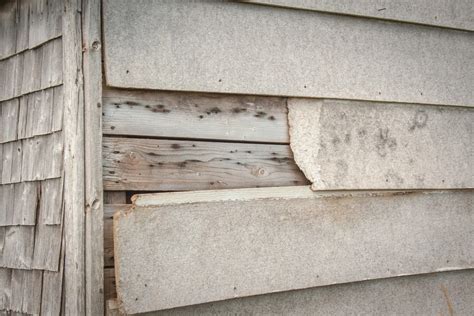
Siding panels that appear warped, buckled, or are pulling away from your home’s exterior are clear signs of underlying water damage.
Read also: Countries by Zodiac Sign
When water becomes trapped behind the siding, it puts pressure on the material, causing it to expand and deform.
Warping can also weaken the attachment points of the siding to your home, making it more susceptible to further water infiltration.
2. Peeling Paint or Bubbling Finish
When water infiltrates siding, it can cause paint to bubble, blister, or peel, especially around seams, corners, or window frames.
This is often one of the earliest signs that water is trapped beneath the surface.
If your interior paint is peeling or your wallpaper is bubbling, it could mean water has made its way through your siding and into your walls.
Moisture trapped behind the walls can cause the paint or wallpaper to lose its adhesion, leading to peeling, bubbling, or cracking.
3. Mold or Mildew Growth
Dark stains, green algae, or black mold spots on your siding are red flags.
Moisture behind the panels often creates a damp environment where mold thrives, particularly on the north-facing side of your home, where sunlight is limited.
If you notice mold or mildew on your siding, around windows, or inside your home, it’s a strong indicator that water is trapped somewhere it shouldn’t be.
Mold thrives in damp, dark environments, making trapped water behind siding the perfect breeding ground.
Left unchecked, mold can lead to not only structural damage but also serious health issues, such as allergies or respiratory problems.
A damp, musty smell inside your home is often a sign of mold or mildew growth caused by hidden water damage.
Even if you can’t see visible signs of mold, the odor alone can indicate that moisture has accumulated behind walls or siding.
Strange odors can also attract pests, compounding the problem.
4. Soft or Spongy Walls
If you press gently against your siding and feel softness or give, it’s likely the wood underneath is rotting.
This usually indicates that water has been seeping in for a while, weakening the structure behind the siding.
Gently press on your walls, both inside and outside your home.
Do you feel areas that are soft, spongy, or seem to sag?
These spots could be a result of rotted wood or drywall caused by prolonged exposure to moisture.
Soft spots are a major red flag, as they indicate serious structural damage that needs immediate attention.
5. Musty Odors Indoors
A musty smell inside your home, especially near exterior walls, can indicate mold or mildew caused by trapped moisture.
Even if your siding looks fine from the outside, hidden water damage could be spreading within your walls.
6. Interior Wall Damage
Sometimes, hidden siding damage shows up inside your home.
Watch for water stains, peeling paint, or bubbling wallpaper along exterior walls.
These are often signs that water has breached the siding and is affecting the interior drywall.
7. Higher Energy Bills
Wet or deteriorating insulation behind your siding can make your home less energy-efficient.
If you notice rising heating or cooling costs without explanation, damaged siding could be part of the problem.
Water-damaged siding can also impact your energy efficiency. Moisture reduces your insulation’s effectiveness, allowing heat or cold to escape easily.
If you’ve noticed higher energy bills lately, the culprit could be damaged insulation behind your siding.
Upgrading to insulated siding can restore your home’s thermal barrier, keeping you comfortable year-round while cutting costs.
Siding and Water Damage Diagnostic and Repair
What Causes Hidden Siding Water Damage?
Understanding the causes of water damage is key to preventing it.
Water damage can occur for several reasons, including:
- Improper installation that leaves gaps or poor sealing.
- Clogged gutters or downspouts that allow water to overflow onto the siding.
- Cracked caulking around windows and doors.
- Aging or damaged siding materials that have lost their weatherproofing.
- Storm damage that creates entry points for moisture.
Poor installation is a common issue-gaps, loose panels, or improperly sealed joints can let water seep behind vinyl siding, as can improperly installed windows and vents.
Other factors include ineffective drainage from poorly functioning gutters and downspouts, which can cause water to accumulate near exterior walls, and aging materials.
Openings around windows, doors, vents, and pipes are common entry points for water.