Have you ever felt like nature was speaking directly to you? When a snake crosses your path, it might be more than coincidence-it could be a profound message about transformation, balance, and renewal. Across civilizations, the snake-often referred to as the serpent-has long been honored for its spiritual and metaphysical meaning.
Ancient Symbolism of the Snake
At Nevalı Çori, a temple site in what is now southeastern Turkey, archaeologists unearthed a remarkable artifact: a human-sized stone head with a snake carved across the face, dating back to the 10th-9th millennium BCE. Even in these earliest sacred sites, the serpent was revered as a symbol of fertility, renewal, and the cyclical forces of life and death.
Dating back to as early as 3000 BCE, this serpent imagery wasn’t just ornamental. It was believed to guard the pharaoh from harm, both physical and spiritual. Wadjet, one of the oldest deities in the Egyptian pantheon, was venerated as the guardian of Lower Egypt and the protector of kings.
The image below shows a powerful example of this belief: the head of Ra-Osiris encircled by the Ouroboros, discovered in the tomb of Tutankhamun (14th century BCE).
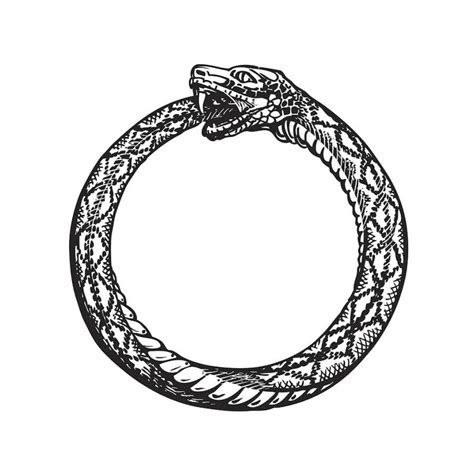
In the 4th century BCE, the Ouroboros-a serpent devouring its own tail-was adopted by Greek alchemical traditions, though its origins trace back to ancient Egypt. The Ouroboros, as always, represents the eternal cycle-creation and destruction, life and death-but here it also appears as a magickal seal, enclosing a space of power.
Read also: Snake-like UFO sightings detailed
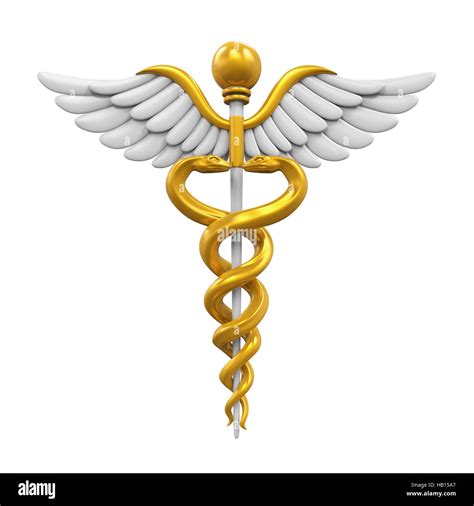
The caduceus, shown in the image above held by Hermes (Mercury in Roman mythology), is a staff entwined by two serpents and topped with wings. While often confused, the caduceus is distinct from the Rod of Asclepius, which features a single serpent and is the true symbol of healing and medicine. These symbols are over 2,000 years old-and still resonate in modern magick and medicine alike.
Snakes in Mythology and Witchcraft
First recorded in Hesiod’s Theogony around 700 BCE, Medusa was originally a priestess of Athena, transformed into a Gorgon with living snakes for hair. Her gaze could turn men to stone-a symbol of both divine protection and misunderstood feminine power, born from betrayal, transformation, and myth. The interpretation above, painted by Caravaggio in 1597, captures the intensity of her transformation-shock, fury, and serpent symbolism entangled. In modern witchcraft, Medusa has been reclaimed as a potent archetype of feminine sovereignty, shadow work, and energetic protection. Witches may call on Medusa during rituals of self-defense, trauma healing, or when confronting oppression and injustice.
Over 2,300 years ago, the Celts honored the serpent as a powerful symbol of renewal, nature’s rhythm, and mystical power. In Gaulish and Insular Celtic traditions, serpents were revered as sacred animals linked to the cycle of life and death, the underworld, and divine knowledge.
Cernunnos’s role as a liminal deity-a mediator between realms-makes his serpent imagery especially potent. In modern witchcraft, Cernunnos is often invoked during seasonal rituals like Beltane (celebrating fertility) and Samhain (honoring the dead).
The Oseberg ship, a ceremonial Viking longship dating to around 820 CE, features an intricately carved prow depicting a coiled serpent. In Norse culture, serpents embodied both chaos and protection. The most notable example is Jörmungandr, the Midgard Serpent, believed to encircle the world and play a crucial role in its cyclical destruction and renewal.
Read also: What does it mean to run over a snake?
Viking ships were often referred to as 'sea serpents', symbolizing their agility and prowess across treacherous waters.
This enigmatic artifact, dating back to approximately 400-600 AD, features a central figure, likely female, clutching a snake in each hand, with three interlaced creatures-a boar, an eagle, and a wolf-forming a triskelion pattern above her.
Scholars have drawn parallels between this depiction and various mythological figures. Some suggest connections to the Minoan Snake Goddess due to the similar pose of holding snakes, while others propose links to the Celtic god Cernunnos, who is also depicted holding a serpent on the Gundestrup Cauldron.
The Clavis Inferni is a late 18th-century grimoire, written in a mixture of Latin, Hebrew, and the cipher alphabet known as Transitus Fluvii-popularized by Cornelius Agrippa. For modern witches, this image is more than historical-it’s an invitation to explore symbolic protection, boundary work, and the use of sigils and sacred language in ritual.
Hekate, the ancient goddess of crossroads and liminal spaces, has been honored for over 2,500 years-first appearing in Greek texts as early as the 6th century BCE. As the guardian of thresholds, secrets, and hidden realms, Hekate is often depicted with torches, guiding souls through the darkness of the underworld. Yet it is her deep connection to serpents that weaves an especially powerful thread through her magickal symbolism.
Read also: Dreams About Snakes
In ancient traditions, serpents were sacred to chthonic (underworld) deities, embodying regeneration, rebirth, and wisdom born of darkness. In ritual magick, Hekate’s serpents are invoked for transformation, divination, and spiritual insight.
Today, many modern witches honor Hekate in rites of shadow work, ancestral communion, and serpent magick, recognizing her as the Goddess of Witches, Dogs, and Serpents.
Kundalini and Serpent Energy
In Eastern mysticism, the concept of Kundalini describes a coiled serpent of energy that resides at the base of the spine. Rooted in Hindu, Tantric, and Yogic traditions, Kundalini is considered the divine feminine energy (Shakti)-the creative life force that fuels the universe.
In both Eastern and Western traditions, the spiritual meaning of a snake often relates to awakening, hidden knowledge, and life force energy. Modern witches, occultists, and practitioners of magick recognize Kundalini energy as a potent force for transformation, psychic enhancement, and spellcasting.
Witches use controlled breathing techniques to awaken Kundalini energy and direct it upward through the chakras. Some witches adapt ancient spells from the Pyramid Texts, invoking snake spirits as protectors of sacred space, just as Egyptian priests once did to guard the dead on their journey to the afterlife.
The Five Vayus (Pranas)
The vital life force, known as Prana, is divided into five primary energies called Vayus. Each governs specific functions within the body:
| Vayu (Prana) | Function |
|---|---|
| Prana | Governs breath and absorption of energy. |
| Udana | Associated with speech, expression, and spiritual growth. |
| Vyana | Spreads energy throughout the body. |
| Samana | Aids in integration and transformation. |
| Apana | Grounds and eliminates. |
Personal Encounters and Interpretation
During a period of transition in my life, I began seeing snakes everywhere-on the farm, in my garden, and even along paths where I rarely walked. At first, I didn’t think much of it, but the repeated appearances felt like a message. These encounters reminded me to shed old patterns, just as the snake sheds its skin.
The snake’s message of adaptability and healing may be a sign that it’s time to release old patterns and embrace new opportunities. Through my experience, I’ve learned that transformation isn’t always easy, but it’s necessary for growth.
When you come across a spirit animal, pause and reflect if it’s safe to do so. Even a few minutes of meditation can provide clarity. During my own encounters with the snake, I would stop for a brief meditation, even if I was in the middle of farm chores.
Documenting your encounters helps you notice patterns and uncover deeper meanings. Journaling after an encounter helps make sense of subtle messages, noting the emotions it stirred.
Spirit animals can become long-term guides if you take the time to connect with them.
Serpent Symbols are Found in all Ancient Cultures and Myths… WHY?
Taking the First Step
Your journey of transformation starts now. The snake offers valuable lessons on transformation, healing, and balance. Whether you encounter it on a walk or in a dream, it invites you to shed the old and welcome the new.