Hydrangeas are very popular both as cut flowers and plants for the garden because of their big, beautiful blooms. The large flowerheads look like pom poms growing on bushes that can get as tall as trees. They come in a variety of different colors and shapes. When you think of lush flower gardens or additions to large bouquets, this is probably the type that comes to mind.
While undeniably beautiful, the hydrangea symbolizes many different things from heartfelt emotion to frigidity and bad luck. Most of the stories surrounding hydrangeas are several centuries old but they still affect how we view the flowers today. When gifting hydrangea flowers to friends or family, make sure to pick the right color to avoid hard feelings. Don’t worry though, we’ve got you covered with some insight into the meaning of the most common shades!
Hydrangea History and Origins
There are over 75 species of hydrangeas, most of them native to Asia. The most widely known is the *Hydrangea macrophylla* also called bigleaf hydrangea.
The hydrangea was first cultivated in Japan and is often referred to as Ajisai. The flowers bloom during the rainy season (tsuyu) from June to July and turn places like the Meigetsuin Temple into a mystical, fragrant garden. The Japanese are famous for their mesmerizing gardens and revolving stories around their flowers. The hydrangea is no exception: legend has it that a Japanese emperor gifted blue hydrangeas to the family of a girl he loved to make up for neglecting her.
Not only the Japanese have enjoyed the sweet scent and vibrant colors of hydrangeas for centuries, ancient fossils dating back to 40-65 million years ago show that the plant has also been growing in North America for quite some time. In Europe, hydrangeas didn’t appear until 1736, when a colonist brought a North American varietal to England. Today, hydrangeas can be found all over Asia, the Americas and Europe, where they are mostly known as hortensias.
Read also: Understanding anemia spiritually
Hydrangea Meaning and Symbolism
The etymological meaning of hydrangea stems from the Greek words for water, *hydros* and jar, *angos*. It was given to the plant because of its shape resembling an ancient water pitcher. How fitting, since hydrangeas require constant moisture to stay happy, healthy and blooming.
While everyone seems to agree that hydrangea care includes a lot of watering, the symbolism of the flowers varies drastically between cultures. In Japan, the flower is associated with heartfelt emotion, understanding and apology. The Japanese emperor apparently made a lasting impression not only on his girlfriend’s family but also the rest of his empire. The hydrangea can further symbolize unity and togetherness. In China, hydrangeas are associated with heartfelt apologies. These flowers are sometimes poetically called “the flowers of the Eight Immortals.” The Eight Immortals are legendary figures revered in Taoism.
Contrastingly, hydrangeas have a negative sentiment in Europe where they were used to declare arrogance and boastfulness. This association is based on the ability of the plant to produce many flowers but very few seeds. English men in the 1800s used to send hydrangeas to women who rejected them, accusing them of frigidity. Thanks to the Victorian men’s poor attitude and lack of empathy, it is believed that young women who grow hydrangeas in their front yard will never get married. In other words: if you’ve been unlucky in finding a partner, maybe you should check your grounds for hydrangeas.
How to Change the Color of Hydrangea Flowers the Easy way
Hydrangea Meaning by Color
While hydrangeas symbolize different things across cultures, the meanings of the distinct colors are mostly uniform around the world. When you’re looking for the right hydrangea to express your feelings or intentions, no matter where you are, make sure to pick the right color.
- Blue Hydrangea: As you already know, the Japanese tradition behind the blue hydrangea derives from the legendary apology of the emperor to his girlfriend. Whether you are in Japan or elsewhere in the world, the blue hydrangea symbolizes your gratitude and understanding for someone else and is always a thoughtful way of admitting that you’re sorry. Blue hydrangeas are the ones most commonly associated with regret and apology.
- White Hydrangea: The white hydrangea symbolizes arrogance, vanity or boasting. This meaning probably stems from Victorian times, when men gifted the flowers to prospects they desired. White, however, also symbolizes purity and grace which makes white hydrangeas a beautiful and fitting addition to Easter bouquets! White ones represent grace, purity, and vanity. For purification, pick white.
- Pink Hydrangea: Pink hydrangeas symbolize true feelings and are a great fit for spring and summer wedding bouquets or table arrangements. Some say pink hydrangeas carry sincere emotions and the meaning of love. Take a closer look at the individual blossoms and you’ll find they resemble a heart! Pink are for appreciation and gratitude.
- Purple Hydrangea: Last but certainly not least, the purple hydrangea represents the desire for deep understanding and is often chosen for gifts around the fourth wedding anniversary. The color purple is associated with pride, royalty and gratefulness across many cultures and certainly a beautiful way of showing appreciation for your partner after four years of marriage.
- Yellow Hydrangea: Yellow are for joy and friendship.
- Green Hydrangea: Green hydrangeas are for rebirth, prosperity, abundance, and renewal. For money or fertility spells, for example, choose green ones.
It should be noted that a hydrangea’s colors can be variable. Unlike other plants, the things that give them their colors aren’t different pigments. Pink hydrangeas, for example, aren’t actually any different from blue ones. Hydrangeas act as giant, living masses of litmus paper. When they grow in acidic soil, their growing conditions cause their pigment to exhibit a blue color. If the soil is more basic, then it will exhibit a pinker color.
Read also: Light Blue: Calmness and Healing
Here’s where it gets a bit more complicated. The soil pH itself isn’t actually what influences the hydrangeas’ color. It’s the naturally occurring aluminum ions in the soil. When soil is acidic, these aluminum ions are free to do their thing, hook up with other ions. They’re also easily taken up by the hydrangea plant, where they get all up in the hydrangea’s reddish pigment and turn it blue. In basic soil, aluminum ions connect with hydroxide ions. Aluminum hydroxide isn’t easily taken up by hydrangea plants, so the blooms stay pink. You can force a hydrangea’s blooms to change color, but it’s a whole Thing involving a lot of chemistry, soil amendments, and time.
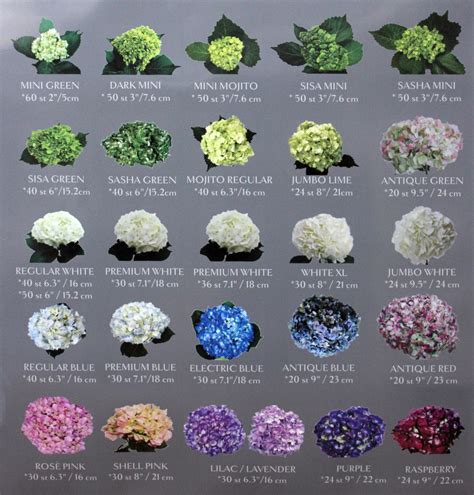
The different colors hydrangea blossoms display are directly related to the levels of acidity in the soil.
To bloom in a vibrant to soft baby blue, the hydrangea needs acidic soil with a pH level below 5.5. For purple hydrangeas, the ideal pH level has to be anywhere from 5.5. to 6.5. Hydrangeas that are grown in soil with pH levels above 7 bloom in pink and even red. Grounds with different levels of acidity nearby can lead to beautiful color washes even within the same flowerheads.
Hydrangea Facts
Hydrangeas are more than just pretty to look at. They have some surprising tricks up their leaves that make them a fascinating plant to novices and experts alike. Check out the facts below!
If you think the colorful flowers are petals, you have been deceived. They are sepals, which are modified leaves that protect the flower bud. The beautiful color variations happen as the sepals age and the overpowering pigments turn the flowers from mundane greens into colorful beauties. Also, hydrangea flowers aren’t flowers at all - like flowering dogwoods, their “petals” are really modified leaves. If you look closely at the center of each “flower,” you can see the actual hydrangea flower.
Read also: Explained: Spiritual Blessings
Hydrangea leaves contain low levels of the poison cyanide. Though rarely fatal, consuming the leaves can cause diarrhea, nausea and even seizures so parents of children and pets alike should make sure the flowers are out of reach. Hydrangeas aren’t just a little poisonous, either. They contain amygdalin, the same cyanide-producing compound in bitter almonds. It’s also related to the one that was rebranded as “laetrile” and “vitamin B17” and sold to unsuspecting and desperate cancer patients.
Uses for Hydrangea
While you shouldn’t snack on the hydrangea leaves in your garden or bouquet (for reasons explained above), the leaves of the Hydrangea serrata are used by Buddhists to brew a sweet tea consumed as part of a cleansing ritual. It is said to help treat autoimmune disorders as well as malaria, kidney stones and enlarged prostate.
In Western culture, the hydrangea has many different uses. Native Americans used the root as a diuretic and the bark as pain relief specifically for muscle pain and burns. From what I’ve seen, at least three online sources indicate that hydrangeas were once used to break curses. If a malevolent witch put a curse on someone, hydrangea flowers could get rid of it. However, I haven’t seen this attributed to any specific culture or tradition, nor have I found exactly how to use hydrangeas as hex-breakers.
A great many herbs with magical and folkloric significance have also historically been known for their medicinal properties. Hydrangeas are poisonous overall, but their roots and rhizomes do have some medicinal virtues. Both traditional medicine and modern research demonstrate some potential effectiveness against inflammation and problems with the bladder and kidneys, as well as a diuretic effect.
Astrologically, hydrangeas are connected to Libra. Elementally, they’re associated with Water.
Though I wasn’t able to find a source for breaking curses with hydrangeas, they can be useful to grow as boundary plants. In most cases, a plant’s magical function follows its mundane form and use.
Hydrangeas are dense, lush, and also poisonous. A nice, healthy hedge of hydrangeas is a wonderful boundary. Hydrangeas also make beautiful, very easy bouquets, offerings, and altar decorations. Each head is pretty much a bouquet on its own. Just make sure to keep them away from children and pets. Hydrangeas also dry beautifully, though they lose some of their color in the process. Still, the “flowers” have a structural beauty. They’re good for wreaths and basket arrangements. Consider making a dried hydrangea wreath and empowering it to energetically protect your home’s entryway.
The hydrangea has a rich history that explains why there are so many different meanings associated with it. Though they can be quite confusing, we hope our color guide helped you understand the flower a little better.
The sheer size and variation of color make the hydrangea a beautiful garden plant that will leave others in awe of your sanctuary.