Blue is the color of the ocean and the sky, and considering blue's color symbolism, it makes sense why this color is associated with calmness. In fact, one survey found that blue is a favorite color worldwide. Whether it's in corporate logos, emojis, or sayings like "feeling blue," this color is a major part of our lives. And while we can appreciate its beauty, there are deeper meanings associated with this color and its shades.
The pigment for the color blue comes from a rare mineral called lapis lazuli; blue, in addition to being a very universal color, is the color of many crystals and minerals essential to spiritual healing. This soft and soothing hue is not just visually appealing; it carries deep symbolic meanings and has been revered in various cultures and spiritual practices throughout history.
What does the color blue symbolize? Blue represents trust, loyalty, healing, sincerity, wisdom, confidence, stability, faith, health, tranquility, softness, the power of intellect, and adaptability. It also symbolizes open spaces, freedom, intuition, and the depths of consciousness. By psychologically, it evokes feelings of serenity, calm, and relaxation. Perhaps that's why when you see the color blue, your mind psychologically associates it with vastness, freedom, and tranquility.
The color blue also represents both the sky and the ocean, which relate to infinite possibilities and feelings essential to human existence.
Light blue is a delicate, airy shade that mirrors the soft hues of a clear morning sky or the gentle waves of a tranquil sea. This color often appears in nature, from the subtle tint of a robin's egg to the serene expanse of a distant horizon. Light blue is a soft, calming shade that evokes the tranquility of a clear sky. This gentle hue is often associated with peace, serenity, and clarity.
Read also: UFO Phenomenon
Historically, light blue has been used in various cultures to symbolize trust and wisdom. Its origins can be traced back to ancient civilizations that valued the color for its soothing properties. Light blue is an excellent choice for spaces where relaxation and calm are desired, such as bedrooms and bathrooms. It is also a popular color in branding for companies that want to convey reliability and professionalism.
In this article, we’ll explore the many facets of light blue, including its associations, the deities linked to it, and how you can incorporate this beautiful color into your magical, spiritual, and holistic wellness practices.

Light Blue's Meaning and Associations
Light blue is a color deeply intertwined with themes of calmness, communication, and clarity. Its gentle hue has a universally recognized calming effect on the mind and body, making it a favored choice in spaces where relaxation and peacefulness are paramount. Beyond its aesthetic appeal, light blue carries rich symbolic meanings that extend into various aspects of life, from emotional well-being to spiritual growth. Here, we delve into the key associations of light blue and explore how this serene color can enhance different areas of our lives.
Calm and Tranquility
Light blue is universally acknowledged as one of the most calming colors in the spectrum. The soft, soothing shade evokes feelings of peace and serenity, much like the tranquility one feels when gazing at a clear, open sky or the gentle waves of a calm sea. This inherent association with calmness is why light blue is often chosen for spaces designed for rest and relaxation, such as bedrooms, meditation rooms, and even spas.
When used in interior design, light blue can create a sanctuary-like atmosphere, providing a retreat from the stresses of daily life. It’s a color that encourages you to slow down, breathe deeply, and let go of tension.
Read also: 2010 Taurus Brake Light Bulb Guide
In fact, studies have shown that exposure to light blue can lower heart rates and reduce feelings of anxiety, making it an excellent choice for environments where relaxation is the goal. Whether through light blue walls, bedding, or decorative accents, incorporating this color into your living spaces can transform them into havens of peace and tranquility.

Communication and Expression
In the realm of color psychology, light blue is closely associated with clear communication and expression. It is often linked to the throat chakra, one of the seven energy centers in the body according to ancient Indian spiritual traditions. The throat chakra, or Vishuddha, is believed to govern our ability to communicate effectively and express ourselves truthfully. When this chakra is balanced and open, it enables clear and honest communication, free of misunderstandings and misinterpretations.
Surrounding yourself with light blue - whether through clothing, decor, or visualization - can enhance your ability to speak your truth and express your thoughts and emotions more freely. It’s a color that encourages openness, honesty, and clarity in communication. In settings where effective communication is essential, such as in offices, meeting rooms, or even during personal conversations, incorporating light blue can help facilitate smoother, more constructive exchanges.
Moreover, light blue’s association with communication extends beyond verbal expression. It is also linked to creative expression, particularly in writing, art, and music. Artists and writers often find that light blue inspires them to articulate their ideas more clearly and expressively, making it a beneficial color to include in creative spaces.
Healing and Health
Light blue is also deeply connected to healing, particularly in the context of emotional and spiritual well-being. Its soothing nature has a calming effect on the nervous system, which can help alleviate stress, anxiety, and even symptoms of depression. In holistic healing practices, light blue is often used to promote emotional balance and mental clarity.
Read also: Kieran the Light and contemporary hip hop
In color therapy, or chromotherapy, light blue is believed to have a cooling and calming effect, which can be beneficial in treating conditions like insomnia, high blood pressure, and headaches. The color’s gentle energy helps to reduce inflammation and promote a sense of balance and harmony within the body. It’s not uncommon for practitioners of holistic health to recommend incorporating light blue into one’s environment or wardrobe to support overall well-being.
Additionally, light blue is often used in healing rituals and practices to cleanse and purify the aura, clear away negative energy, and promote a sense of inner peace. Whether through visualization exercises, the use of light blue crystals like aquamarine or blue lace agate, or simply spending time in a light blue environment, the color can be a powerful tool for emotional and spiritual healing.
Spiritual Growth and Awareness
In many spiritual traditions, light blue is seen as a color that fosters spiritual growth and awareness. Its serene energy is believed to open the mind to higher levels of consciousness and understanding, making it a powerful color for meditation and spiritual practices. Light blue is often associated with the sky, symbolizing the vastness of the universe and the infinite possibilities for growth and expansion.
When used in meditation, light blue can help quiet the mind and enhance one’s connection to the spiritual realm. It encourages a state of openness and receptivity, allowing for greater insight and intuition to flow. Many people find that meditating on light blue or visualizing themselves surrounded by a light blue light can deepen their spiritual practice and promote a sense of inner peace and clarity. Light blue is also associated with spiritual protection and guidance. It is believed to help shield the aura from negative energies and support the development of psychic abilities. Whether through the use of light blue candles, crystals, or even wearing light blue clothing during spiritual practices, incorporating this color can help you connect more deeply with your higher self and the divine.
What Is Light Blue's Meaning?
Light blue is commonly associated with several strong, positive attributes:
- Calm
- Trustworthy
- Serene
- Reliable
- Peaceful
In different cultures, light blue holds various symbolic meanings. For instance, in many Eastern traditions, it represents healing and tranquility, while in Western cultures, it is often linked to trust and dependability.
Light Blue Hex, RGB, and CMYK Color Codes
- Hex code for Light Blue: #add8e6
- RGB code for Light Blue: rgb(173,216,230)
- CMYK code for Light Blue: 25, 6, 0, 10
Light Blue Color Alternatives
Here are some alternatives to the color Light Blue:
- #ade6e6: A very light cyan color, similar to Light Blue but with a slightly higher green component. It evokes calmness, tranquility, and freshness.
- #ade2e6: This color offers a subtle variation with a slightly different balance of green and blue, making it a good alternative for nuanced design needs. It evokes serenity, peace, and relaxation.
- #addde6: A very light cyan color, similar to Light Blue but with a slightly higher green and lower blue component. It evokes coolness, calmness, and clarity.
- #add8e6: The original Light Blue color, providing the exact hue and feel. It evokes calmness, tranquility, and relaxation.
- #add3e6: This color offers a slight variation in the blue component, making it a good choice for designs requiring a slightly different shade. It evokes coolness, calmness, and clarity.
- #adcfe6: A very light cyan color, similar to Light Blue but with a slightly higher green and lower blue component. It evokes serenity, peace, and relaxation.
- #adcae6: This color maintains the light and airy feel of Light Blue while offering a slightly different hue. It evokes calmness, tranquility, and freshness.
Light Blue Color Combinations
- Light Blue and Coral (#add8e6, #ff7f50): This combination brings together the calmness of light blue with the vibrant energy of coral. The contrast between the two colors creates a dynamic and visually appealing palette that can be used to highlight important elements in a design. It's perfect for creating a fresh, modern look that stands out.
- Light Blue and Navy (#add8e6, #000080): Pairing light blue with navy creates a sophisticated and timeless color scheme. The deep, rich tones of navy complement the airy light blue, resulting in a balanced and elegant aesthetic. This combination is ideal for professional settings or designs that require a touch of class and reliability.
- Light Blue and Mint Green (#add8e6, #98ff98): Light blue and mint green together evoke a sense of freshness and tranquility. The soft, pastel tones of both colors blend seamlessly, creating a soothing and harmonious palette. This combination is perfect for designs aimed at promoting relaxation and well-being, such as spa or wellness branding.
Use Light Blue In Your Projects
Using light blue in your design can evoke feelings of calmness and serenity, making it an excellent choice for creating a peaceful atmosphere. This color communicates trust and reliability, which can help build a sense of security and confidence in your audience. Light blue is often applied in contexts where relaxation and tranquility are paramount, such as in spa and wellness branding. It is also a popular choice for corporate designs, where its association with professionalism and dependability can enhance brand credibility.
Blue Spiritual Meaning & Symbolism
Think about the way you feel when you look up at the bright blue sky, or down into the waves of the ocean. It gives you a serenity you can't find anywhere else. Blue actually has a calming effect on our brains that invokes relaxation within us.
Calmness
Blue symbolizes calmness and tranquility.
Purity
Blue is the color of the sky, which is open, crisp and clean. Blue is also the color of water, which represents the ability to wash away "sins," uncleanliness, or the past, in general.
Divinity
In some cultures, blue is quite a powerful color, symbolizing divinity and the divine. Blue can also represent eternity since this color holds its hue for a long time.
Trust
As a color of trust, blue is calming and conveys stability. Perhaps that is why many businesses, corporations, and even country's flags contain the color blue.
Adaptability
Blue is often associated with water. And just like water and the way in which waves move, blue represents fluidity and adaptability.
Meaning of the Color Blue in the Bible
In the Bible, blue represents Heaven, moral law, and the truth; it's a color that reminds people of the sky, hence a direct connection to the heavenly realm. In the holy book, sightings of God are often followed by pavements made of sapphires. For example, Exodus 24:10 says, "and saw the God of Israel. Under his feet was something like a pavement made of lapis lazuli, as bright blue as the sky." Additionally, Proverbs 20:30 says, "The blueness of a wound cleanseth away evil: so do stripes the inward parts of the belly."
Meaning of Blue in Other Cultures
Blue Symbolism in Far East Asian Culture
In China, the color blue represents wood, the East, and spring. Wood symbolizes immortality and advancement. Colors are associated with the elements, seasons, and direction in some Asian cultures, but the color blue is thought to bring positivity in Chinese culture. However, in Korea, blue is the color of mourning and grief, believed to represent hope, not sadness.
Blue Symbolism In Ancient Egypt
In Ancient Egypt, blue represented the heavens above, the domain of the gods, as well as water. Due to its connection to the Nile and the sky, it represented the world, life, creation, abundance, and fertility. Blue was also used to ward off evil, which is why many of the pharaohs wore this color. Because of this belief, Egyptians preferred using stones like lapis lazuli and azurite, placing them in jewelry and using them in homes. Eventually, they created the first synthetic pigment known as Egyptian blue.
Blue Symbolism In Grecian Culture
Just like in Ancient Egypt, Ancient Greeks used the color blue to ward off evil. This is so ingrained into their culture that, even in modern day times, people of Grecian descent wear a blue charm in their jewelry for protection. Because of their connection to balance and harmony, blue crystals and stones were essential for cleansing and healing rituals because of how they evoke a sweet, gentle serenity. For example, blue minerals help their wearers stay focused; the crystals promote balance, inner harmony, and honesty.
Blue Symbolism In Latin American Culture
In Latin American culture, blue represents the sky, freedom, infinity, and mourning. Because most of Latin America is deeply Catholic, they believe blue to be a sign of hope.
Blue Symbolism in African Culture
In many African cultures, blue symbolizes love, harmony, peace, and togetherness. As such, blue fabric was used throughout the Southern part of Africa; in modern day Western Africa, blue is used in fabrics because it represents the Senegal River.
Shades Of Blue Spiritual Meanings
There are many different shades of blue that carry their own specific, special meanings. However, lighter shades of blue tend to represent peace, calm, serenity, introspection, inspiration, and stillness; darker blues represent passion, honesty, trustworthiness, loyalty, order, and intelligence.
- Light Blue: Happy and bright, light blue is the more cheerful, carefree hue of the color family. Light blue is the color scheme of summer; it represents health, healing, tranquility, understanding, and softness.
- Dark Blue: Many associate dark blue with sadness, but it actually represents power, knowledge, control, and intensity. It's also often associated with masculinity.
- Bright Blue: This shade of blue represents purity, cleanliness, strength, and reliability, as well as trust and help. In ancient times, bright blue was often worn by royalty, and because of its link to orderliness, it's often seen in hospitals or churches.
- Sky Blue: Just like the feelings evoked by looking at the sky, it's no wonder the sky blue shade relates to serenity, relaxation, and calm. But it also symbolizes loyalty and confidence in one's self. In fact, wearing a color like sky blue can actually make others trust you more.
- Navy Blue: Navy blue is most often associated with police officer uniforms, but it actually represents commitment, sacred order, infinity, and loyalty. Ancient Romans were known to wear this color out of respect for their deities.
What Gods/Goddesses are Associated with Light Blue?
Throughout history, various gods and goddesses have been associated with the color light blue. These deities often embody qualities of calmness, communication, and spiritual awareness, reflecting the symbolic meanings of the color itself. Here are a few notable deities linked to light blue:
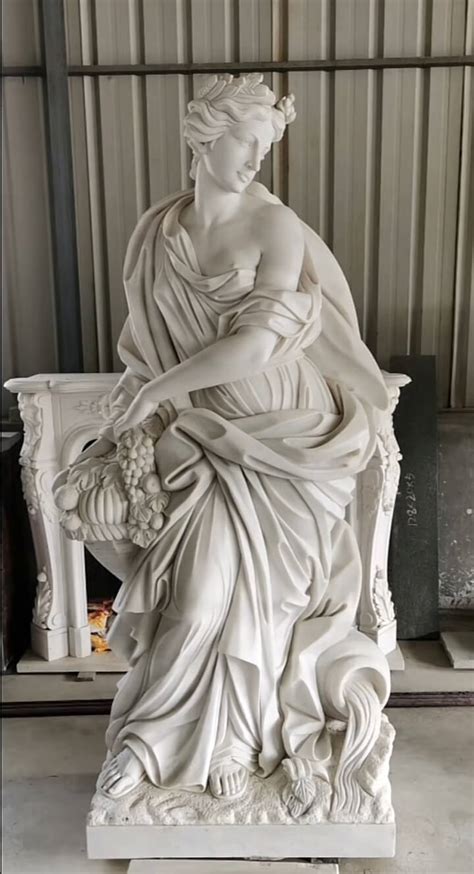
- Vishnu (Hinduism): In Hinduism, Vishnu, one of the principal deities of the religion, is often depicted with blue skin. While his shade of blue is typically darker, the symbolism of blue in general represents the infinite and the eternal, qualities that are central to Vishnu’s role as the preserver and protector of the universe.
- Thoth (Ancient Egypt): Thoth, the ancient Egyptian god of wisdom, writing, and communication, is sometimes associated with the color blue. He is often depicted with a blue headdress or robe, symbolizing his connection to knowledge, clarity of thought, and the power of words.
- Yemaya (Yoruba Religion): Yemaya, the Yoruba goddess of the ocean and motherhood, is often linked with shades of blue, including light blue. She represents nurturing, healing, and protection, and her connection to the ocean’s waters aligns with the calming and cleansing properties of light blue.
- Athena (Greek Mythology): Athena, the Greek goddess of wisdom and warfare, is sometimes associated with the color blue, particularly light blue, symbolizing her clear and strategic thinking. While she is more commonly linked to the color gray, the light blue sky often serves as a backdrop in her depictions, representing wisdom and foresight.
- Quan Yin (Buddhism): Quan Yin, the Buddhist goddess of compassion and mercy, is often depicted in robes of light blue. This color emphasizes her gentle and compassionate nature, reflecting her role as a protector and healer who brings peace and comfort to those in need.
How to Incorporate Light Blue into Your Magical, Spiritual, and Holistic Wellness Practice
Incorporating the color light blue into your magical, spiritual, and holistic wellness practices can enhance your sense of calm, improve communication, and promote healing. Here are some practical ways to bring the energy of light blue into your life:
Light Blue in Meditation and Visualization
Meditation is a powerful tool for spiritual growth and self-awareness. Incorporate light blue by visualizing yourself surrounded by a soft blue light during meditation. This can help calm your mind, open your throat chakra, and enhance your connection to higher levels of consciousness. You can also use light blue candles or wear light blue clothing during your meditation sessions to reinforce this calming energy.
Light Blue Crystals and Stones
Crystals and stones are commonly used in spiritual and healing practices, and several light blue stones can be particularly beneficial. Aquamarine, blue lace agate, and celestite are all examples of light blue stones that can promote tranquility, clear communication, and spiritual awareness. You can carry these stones with you, place them in your living space, or use them in crystal grids to amplify their effects.
Using Light Blue in Rituals and Spells
Light blue is a powerful color for rituals and spells focused on communication, healing, and peace. For example, you can use light blue candles in a spell to improve communication in a relationship or to promote peace in your home. You can also create a sacred space with light blue elements, such as altar cloths, crystals, and flowers, to enhance the energy of your rituals.
Light Blue in Holistic Wellness
In holistic wellness, light blue can be used to promote emotional and physical healing. Incorporate light blue into your daily life by wearing light blue clothing, decorating your space with light blue accents, or using light blue essential oils like chamomile or lavender. These small changes can help create a peaceful environment and support your overall well-being.
Light Blue in Feng Shui
Feng Shui, the ancient Chinese art of placement, often uses colors to balance the energy in a space. In Feng Shui, light blue is associated with the Water element, representing calmness, flow, and communication. To incorporate light blue in Feng Shui, you can place light blue objects or decorations in areas of your home that need more calm or improved communication, such as the bedroom or living room.