The sunflower meaning goes far beyond its physical beauty. Sunflowers are not just pretty flowers but cultural icons.
Understanding sunflower symbolism allows us to connect with the deeper meanings they hold. This exploration into the sunflower spiritual meaning reveals more than just its aesthetic appeal. It opens up a world of rich cultural narratives and personal connections.
Sunflowers and the Sun
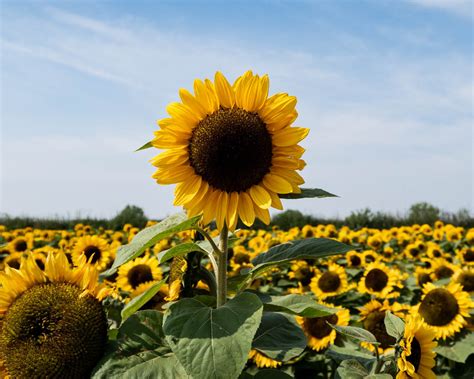
Sunflowers have long been associated with the Sun, not just for their bright yellow color but also for their heliotropic nature. Heliotropism is the unique ability of the sunflower to turn its face toward the sunlight as it moves across the sky.
The connection between sunflowers and the sun is evident in ancient cultures. For instance, in Aztec civilization, the sunflower was considered sacred and used in rituals dedicated to the Sun God. Similarly, in Greek mythology, the sunflower symbol appears in the story of Clytie, a nymph who turned into a sunflower out of her unyielding adoration for the Sun God, Apollo.
Cultures around the globe continue to associate sunflowers with the qualities of the sun. They symbolize warmth, brilliance, and the nurturing force of light, which fosters growth and renewal in life.
Read also: Understanding anemia spiritually
The sunflower's heliotropic nature serves as a powerful metaphor in modern life. Just like the sunflower turns toward the light, humans are encouraged to seek positivity and growth even during challenging times.
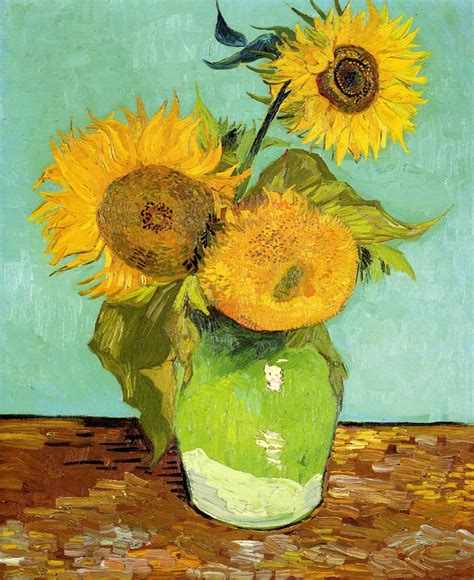
Artists and poets have also found inspiration in the sunflower's symbolism. Vincent Van Gogh’s famous sunflower series captures the essence of the sunflower's dazzling connection to light and life.
Sunflowers as Symbols of Loyalty and Devotion
One of the most profound aspects of sunflower symbolism is its association with loyalty and devotion. The flower’s steadfast nature, always facing the sun, perfectly encapsulates the ideals of unwavering commitment and faithful affection.
Throughout history, sunflowers have been gifted as tokens of loyalty and sincerity. Their vibrant blooms convey a message of admiration and steadfastness, making them a popular choice for expressing long-lasting bonds.
Sunflowers as symbols of devotion also appear in religious and spiritual contexts. Their ability to follow the movement of the sun mirrors a devotee's inclination to follow a higher power or spiritual truth.
Read also: Light Blue: Calmness and Healing
The sunflower's symbolism of loyalty is deeply rooted in art and literature. Its consistent upward gaze has been likened to humanity's quest for truth and meaning.
Devotion also plays a role in sunflower folklore. Some legends suggest that planting sunflower seeds brings good luck and strengthens familial ties.
Additionally, sunflowers make their way into cultural customs and celebrations. In parts of Asia, they are used during events that honor familial bonds and unbreakable commitments.
The sunflower meaning extends to personal growth and self-devotion as well. Their sun-seeking behavior reminds us to stay true to our own values and goals despite external challenges.
Gifting sunflowers to loved ones carries profound emotional resonance. They are not just a sign of adoration but also a testament to one’s pledge to care for and cherish the other person.
Read also: Explained: Spiritual Blessings
Sunflowers teach us to appreciate the beauty of constancy in both personal and spiritual lives.
Spiritual Growth and Enlightenment
The sunflower spiritual meaning is deeply intertwined with themes of personal growth and enlightenment. Its constant movement toward the sun embodies the human quest for self-improvement and higher understanding.
Many cultures view the sunflower’s upward growth as a metaphor for reaching spiritual heights. Just as the flower grows tall and remains oriented toward the light, humanity is encouraged to aspire to greater spiritual truths and insights.
Sunflowers are often featured in meditative practices and spiritual rituals. Their bright, open faces represent clarity, openness, and a pure connection with higher consciousness.
The sunflower also holds significance in various religious traditions. For example, in Christianity, its sun-like form is seen as a representation of God’s light and love.
The sunflower’s spiritual symbolism is not exclusive to formal traditions. Its presence alone inspires feelings of peace, meditation, and introspection.
Artists and writers often use sunflowers to express spiritual themes. Their radiant aura and growth-oriented nature make them ideal symbols for exploring the paths of enlightenment and discovery.
Even in non-religious contexts, the sunflower meaning in spiritual growth remains powerful. Practicing gratitude and mindfulness becomes easier under the metaphor of a sunflower. Its open petals remind us to soak in the fullness of light and life.
These luminous flowers not only brighten spaces but also nurture the soul.
The Sunflower and Positivity
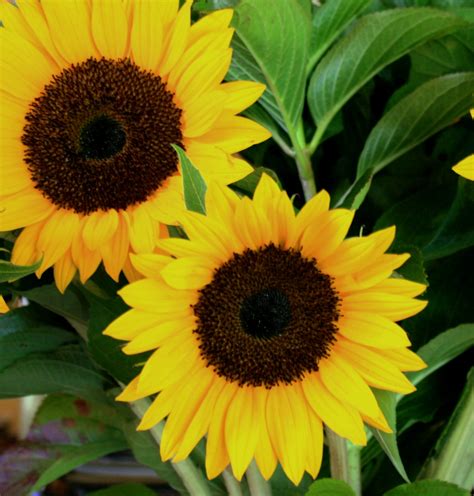
Few flowers resonate with positivity as deeply as sunflowers. Their vibrant hues and radiant faces are visual reminders of joy and warmth.
The sunflower meaning of positivity is deeply rooted in its heliotropic nature. The simple act of turning toward the sun mirrors the human tendency to seek light during challenging times.
Sunflowers have long been included in cheerful décor, celebrations, and affirmative social causes. Their sunny appearance is not just aesthetically pleasing but serves as a powerful message of optimism.
Cultural traditions also highlight the sunflower’s positivity. Communities often plant or display them during harvest festivals to symbolize themes of abundance and gratitude.
Gifting sunflowers is a timeless way to share positivity with loved ones. Whether in bouquets or arrangements, their presence spreads happiness and reinforces thoughts of love and care.
The sunflower symbolism of positivity also appears in literature and the arts. Figures from poets to filmmakers have used them as metaphors for resilience and joy.
Even in turbulent times, the simple sight of a sunflower can uplift the spirit. Their visual beauty is magnified by the deeper meanings they evoke.
Sunflowers in Art and Literature
Sunflowers have held a timeless place in the world of art and literature. Their captivating appearance and profound sunflower symbolism have inspired countless creators across generations.
Within the realm of visual art, Van Gogh's "Sunflowers" series stands as one of the most iconic representations of this bloom. These paintings showcase the vibrant energy and textured complexity of sunflowers while simultaneously reflecting human emotions.
Aside from visual art, sunflowers frequently appear in literature as powerful symbols. Writers use them to convey themes such as hope, longing, and fidelity.
Sunflowers also make appearances in folklore and oral storytelling. Many tales associate sunflowers with perseverance, reinforcing their symbolic meaning.
Modern-day art installations and illustrations continue to celebrate sunflowers. They are a popular choice for public murals, posters, and...
The Symbolism and Meaning of Sunflowers
And no flower can lift someone’s spirits quite like a sunflower can. Bright and cheery, warm and inviting like the summer sun - Sunflowers (Helianthus) represent adoration, loyalty and longevity.
People have flooded their feeds with sunflowers - the national flower of Ukraine - in support of peace during the Ukraine Crisis. And a sunflower's seeds provide nutrition that is loved by both humans and wildlife alike.
Many people ask, what do sunflowers symbolize? What is their meaning?
Sunflowers emit positive energy and good vibes. Sunflowers are perfect for happy celebrations.
tags: #sunflowers #spiritual #meaning