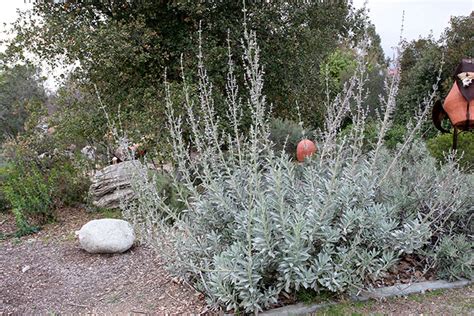
White sage, scientifically known as Salvia apiana, is a plant revered for its diverse applications, ranging from spiritual cleansing to medicinal uses. However, its increasing popularity has led to concerns about overharvesting and cultural appropriation. This article delves into the various uses of white sage, its health benefits, the importance of ethical harvesting, and its cultural significance, particularly for Indigenous communities.
Health Benefits of Sage
Sage is a staple herb known for its strong aroma and earthy flavor. It is packed with various important nutrients and compounds. Here are some surprising health benefits of sage:
- Rich in Nutrients: Sage packs a healthy dose of vitamins and minerals. One teaspoon of ground sage contains 10% of your daily vitamin K needs, along with small amounts of magnesium, zinc, copper, and vitamins A, C, and E.
- High in Antioxidants: Sage contains over 160 distinct polyphenols, which act as antioxidants in your body, neutralizing harmful free radicals.
- Promotes Oral Health: Sage has antimicrobial effects that may protect against microbes promoting dental plaque. A sage-based mouthwash has been shown to effectively kill bacteria causing dental cavities.
- Eases Menopause Symptoms: Compounds in sage have estrogen-like properties, which may help improve memory and treat hot flashes and excessive sweating during menopause.
- Lowers Blood Sugar Levels: Human and animal research indicates that sage may help lower blood sugar levels, acting similarly to some diabetes medications.
- Supports Brain and Memory Function: Sage is loaded with compounds that act as antioxidants, buffering the brain's defense system. It may also halt the breakdown of acetylcholine (ACH), a chemical messenger that plays a role in memory.
- Lowers "Bad" LDL Cholesterol: Sage may help lower “bad” LDL cholesterol, reducing the risk of heart disease.
- May Fight Certain Types of Cancer: Animal and test-tube studies suggest that sage extracts may suppress the growth of cancer cells and stimulate cell death.
- Other Potential Benefits: Sage may alleviate diarrhea and combat skin aging, though more research is needed.
Sage comes in several forms and can be used in a variety of ways. Fresh sage leaves can be added to soups, stuffings, or made into sage butter. Dried sage can be used as a rub for meats or a seasoning for roasted vegetables.
Caution: Concentrated sage oil or other sage supplements can have side effects and should not be used during pregnancy or lactation, or by children. Prolonged use of sage oil may cause adverse effects in some individuals.
Here's a table summarizing the nutritional content of one teaspoon (0.7 grams) of ground sage:
Read also: Investigating White Ball UFOs
| Nutrient | Amount | % Daily Value (DV) |
|---|---|---|
| Calories | 2 | - |
| Vitamin K | 12 mcg | 10% |
| Iron | 0.2 mg | 1.1% |
| Vitamin B6 | 0.02 mg | 1.2% |
Smudging with White Sage
When you need to clear bad energy from a new home, workspace, or even your car, one recommendation becoming more and more popular is to burn California White Sage and fill the space with its smoke, a process commonly referred to as “smudging.”
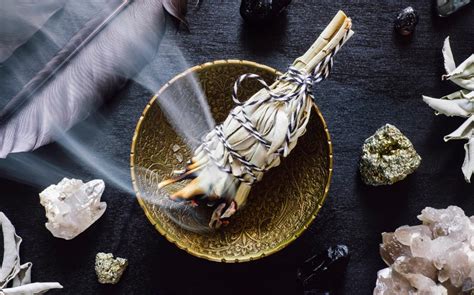
Smudging is a deeply personal ritual, similar to that of prayer. When smudging, the intent is to focus on cleansing your life of what no longer serves you and rebalancing your energy “so our life and chakra energy continues to flow much like an open river so we can move forward. Smudging can be a deeply cleansing and empowering ritual if done with the right intentions.
Cleanse your home or sacred space using by lighting a white sage leaf or the tip of a smudge stick, and placing it in a fireproof vessel. Carry this clockwise around the area you wish to cleanse, fanning the smoke with a feather so it touches every corner, paying close attention to closets and dark areas. Make sure you end the smudging session at an open front door - letting all that negative energy out of your house.
White Sage vs. Blue Sage
Choosing between white sage and blue sage depends largely on the specific needs and preferences of the practitioner. White sage is revered for its potent cleansing abilities. Its strong, robust scent makes it highly effective for purifying spaces and banishing negative energy. On the other hand, blue sage is valued for its gentle, soothing qualities. Its milder fragrance is less likely to overwhelm small spaces, making it ideal for meditative and healing practices. Blue sage’s calming energy can enhance rituals aimed at promoting relaxation, peace, and abundance. Understanding the unique properties of each type of sage allows for more informed decisions in spiritual practices.
Blue sage is often used similarly to white sage, to cleanse and protect. It is less pungent, and its soothing scent and "cool" nature make it very helpful in rituals for healing and abundance. Blue sage can be used to help with illnesses.
Read also: Fox Guide
Black Sage
Different types of mugwort are often called "black sage." Still, black sage is extremely helpful for inner healing, dream magic, shamanic journeying, trance work, and protection during astral travel. Whether you need cleansing, purification, healing, or protection during meditative rituals, members of the sage family can help you.
White Sage - How I Harvest the Fresh White Sage Leaf tops, leaves ethically harvested
Ethical Considerations and Poaching
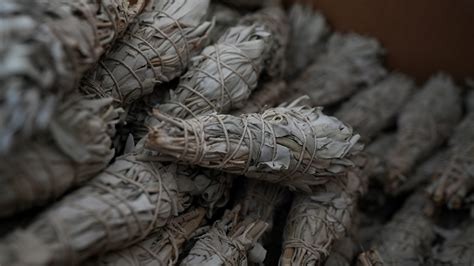
Unfortunately, in the past few years it has come to our attention how white sage is often taken from our land and the land of our Southern California Native neighbors. White sage smudge sticks and products, unless otherwise labeled as "farmed" are often poached from wildlife reserves in Southern California.
Because white sage can make a good profit, when white sage is poached the whole plant is taken, often killing the sage plant. The health of the plant and the season are almost never taken into account, reducing the survival of the sage even further.
When Coyotes poach sage, they stuff duffel bags as compactly as possible to reduce the number of trips into the wildlife areas they're poaching from. The sage plant stays crammed in a duffel back with very little ventilation, in the California heat, for hours or days before it is bundled by other migrant workers (who are also exploited). This sage begins to ferment and mold almost immediately, reducing the quality and medicinal benefits substantially.
Sage varieties are in crisis. With the advent of social media, sage usage among non-Natives has grown in popularity, and although Artemisia is not currently listed as endangered, Tribes who’ve used the plant for millennia are ringing the alarm, warning the public that if unfettered poaching and misuse of sage continues, this sacred medicine loved by so many will vanish from the wild. We are losing wide swathes of sage at a rapid pace, too quickly to be replaced. California Tribes report that poachers are routinely being caught smuggling literally hundreds of pounds of white sage, roots and all.
Read also: Socorro UFO Incident
Impact on Indigenous Communities
Indigenous Southern Californian tribes are no longer allowed to gather our own sage from Mother Earth if we don't have land to grow our own. Poached sage is brought to us, mangled and fermenting, after it has been confiscated by park rangers. It is heartbreaking. Our grandmother white sage and our mutualistic relationship with her is disappearing because of the thousands of pounds poached every year to meet the demand that overlooks our own.
The stress and harm done to grandmother white sage when she is poached is so stressful to the plant that it can no longer give blessing. Ethical gathering should only be done to a sage plant that has been loved and tended to, and should NEVER kill the plant. Sage poaching does both of these things.
How to Be an Ally
Here are some ways you can be an ally and help protect white sage:
- Shop Sustainably: Hold businesses accountable, and politely ask where they got their sage. Amazon, Five Below, Spencers, Juniper Ridge, and Whole Foods all sell "wild gathered" sage, without specifying how their sage is gathered. Bring awareness and boycott the middle man.
- Grow Your Own: If you live in or around Southern California (or equivalent climate), you can grow your own white sage.
- Harvest Ethically: NEVER TAKE THE ROOT. When one uproots a plant, one takes away its ability to regenerate. When sage is harvested, it should be cut, so the root stays in the ground and can grow again next season. When sage is uprooted, it doesn’t just kill the plant itself. It disrupts the entire ecosystem.
- Harvest with Respect: Ideally, the one who uses the sage ceremonially should be the one who picks it. The sage should be harvested with a good heart, and an offering should be left after the sage is cut from its root. A prayer of thanks to The Source should be said upon its collection.
- Support Legislation: Advocate for legislation that will protect sacred sage from extinction.
Cultural Appropriation and Respectful Use
The process of smudging, though once considered somewhat clandestine and a new age “woo woo” practice, is becoming increasingly more common.
White sage is regarded as a sacred plant by the Chumash people. The idea of using sage to cleanse is by no stretch of the imagination a new concept. According to the USDA, Native tribes of California would use the sage leaves to make shampoo to cleanse their hair and rub them on their body to cleanse themselves of odor before hunting.
Inappropriate use of sage is cultural appropriation. Although we understand white sage has become an integral part of meditation, the use of an abalone shell and/or a bird feather is cultural appropriation to our ceremonial practices. This is a continuation of the harm of colonization and Indigenous erasure. Don't appropriate a culture that is not yours. White sage smudging should NOT be done as a regular practice. Only use white sage after a major life change, such as moving to a new home, or after very emotional life moments like the loss of a loved one. White sage is a sacred gift from Mother Earth and should be treated as such.
Use White Sage as it is intended: sparingly. We understand that sage has become a popular way to cleanse spaces for non-Southern California Indigenous communities, but we ask you to please refrain from any other part of the practice unless you are actively involved in a tribe whose native territory has white sage. Do not use abalone shells or bird feathers (especially hawk) in your smudging practice. If you are indigenous to other areas of America, we suggest researching your native tribe's traditional smudging herb (such as sweetgrass) to receive stronger ancestor blessings and connections to your culture.