People with open and balanced heart chakras experience unconditional love, compassion, and joy that connects them deeply to their surroundings. Many people face blocked heart chakras that show up as feelings of being unloved, unloving, fearful, or heartbroken. Learning how to open the Heart Chakra can be a beautiful experience and a great way to start on the path to healing and self love.
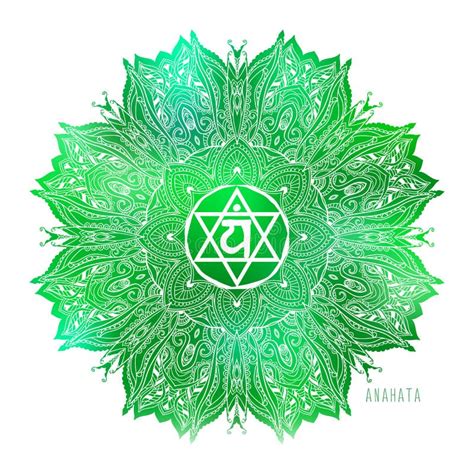
What is the Heart Chakra (Anahata)?
The Anahata chakra is the fourth energy center in our body’s chakra system. It acts as a bridge between physical and spiritual aspects of ourselves.
Location and meaning of the heart chakra
“Anahata” comes from Sanskrit and means “unhurt,” “unstruck,” or “unbeaten”. You’ll find the Anahata chakra in the middle of your chest near the physical heart. This energy center sits in the middle of the chest, right in the center of the breastbone. It sits behind the sternum and between your shoulder blades. This central spot marks the middle point of the seven main chakras. The heart chakra is not your physical heart. A balanced heart center means you feel connected to everything around you.
Yogic traditions show the heart chakra as a lotus flower with twelve petals. Inside this lotus, there’s a shatkona-a six-pointed star made of two triangles that cross each other. This star represents male and female energies coming together. The heart chakra guides the thymus gland, heart, and lungs. It affects both our physical health and emotional state.
Heart chakra color and element
Green is the main color of the Anahata chakra, though sometimes pink connects to its energy too. This green represents healing, growth, and change. Air (Vayu) is the element that connects to the heart chakra. This connection makes sense-air represents freedom and openness. So when your heart chakra is balanced, emotional energy moves freely like the wind. Nothing holds it back, not even old wounds or fears. The air element also links to our breath.
Read also: Emotional Wellness This Spring
Why it’s called the love chakra
People call it the “love chakra” because it works as the emotional core of our being. The Anahata chakra determines how we connect with ourselves and others emotionally. A balanced heart chakra lets us experience pure love-without attachment or expectations. The heart chakra helps us accept and love ourselves too. As this center opens up, many people start to feel deeply connected to everything around them. The Heart Chakra embraces all facets of love, and anyone can benefit from exploring this energy center.
Signs Your Heart Chakra May Be Blocked
Learning to spot a blocked heart chakra starts your healing journey. The Anahata chakra’s energy shapes how we give and receive love. This energy influences our emotional world and physical health.
Guided Heart Chakra Meditation (Chakra Clearing & Healing)
Emotional symptoms of imbalance
Heart chakra blockages show up first through emotional disturbances.
- Difficulty giving and receiving love: You might struggle to show affection or feel deserving of love.
- Lack of empathy or compassion: You might find it hard to understand what others feel.
- Fear of intimacy and commitment: Old emotional wounds can build walls around your heart.
- Holding grudges: You might find it hard to forgive yourself or others.
- Emotional numbness: You might feel cut off from your emotions or others’ feelings.
People with heart chakra problems often don’t trust easily and feel anxious in social situations. They might develop unhealthy relationship patterns. If you’re feeling disconnected from others, misunderstood, have a lack of caring for others, or a lack of compassion, there is a good chance your heart chakra isn’t balanced. Still, you may avoid socializing with others. In fact, you might have social anxiety.
Physical symptoms to watch for
Your body shows energy imbalances through physical signs. A healthcare professional should check these physical symptoms.
Read also: Science of Chakras
Overactive vs underactive heart chakra
Heart chakra imbalances show up as either underactive (blocked) or overactive patterns. A balanced heart chakra lets you set healthy boundaries and express emotions naturally. These imbalances disrupt your connections with yourself and others. An overactive heart chakra is still unbalanced, and tends to exaggerate physical and emotional issues. An underactive heart chakra creates a “diminishing” effect. For example, physically, an underactive heart chakra might present as too-low blood pressure, and an overactive one might be high blood pressure.
The table below summarizes the key characteristics of a balanced, underactive, and overactive heart chakra:
| Chakra State | Emotional Symptoms | Physical Symptoms |
|---|---|---|
| Balanced | Unconditional love, compassion, joy, empathy | Healthy heart, lungs, and thymus gland |
| Underactive | Difficulty giving/receiving love, lack of empathy, fear of intimacy, emotional numbness | Potential for low blood pressure, respiratory issues |
| Overactive | Exaggerated emotions, unhealthy boundaries | Potential for high blood pressure |
How to Heal Your Heart Chakra
You need consistent practice and intentional techniques to balance your Anahata energy center. Simple healing tools can become part of your daily routine. These include visualization with emerald green light, breathing techniques, and mantra chanting.
Heart chakra meditation techniques
Heart chakra meditation practices are powerful tools that help with emotional healing. Start by finding a comfortable seated position. Focus on your breathing to center yourself. Place one hand over your heart center and take several deep, mindful breaths. Visualize a soft green light forming in your chest area as you inhale. The light grows brighter and expands with each exhale. Visualization helps heal your heart chakra effectively. Picture a bright emerald green light coming from your heart center. Watch this light expand throughout your chest when you inhale. Let this green energy surround your entire being with each exhale. Your heart chakra activates through diaphragmatic breathing. Put one hand on your belly and another on your chest, then breathe deeply into your abdomen instead of your upper chest. You can also try heart-centered breathing by imagining your breath flowing through your heart area.
A powerful heart chakra meditation begins by sitting comfortably with hands in prayer position at your chest. Use heart chakra meditation music with 639 Hz frequencies or gentle nature sounds to enhance the experience. To activate your heart chakra, try a heart chakra guided meditation that focuses on forgiveness and compassion. Incorporate heart chakra meditation music with soothing flute or crystal bowl tones to resonate with this energy center. During a profound heart chakra meditation, you may experience physical sensations like warmth or fluttering in your chest area. Emotionally, an open heart chakra often brings waves of unconditional love and deep connection during heart chakra guided meditation. An effective method is following a detailed heart chakra meditation script that guides you through visualization and breathwork. Combine this with heart chakra meditation music featuring 639 Hz frequencies to specifically target this energy center. Regular heart chakra guided meditation practices that focus on forgiveness can gradually release blockages. Using a written heart chakra meditation script helps maintain focus on loving-kindness while heart chakra meditation music creates the ideal vibrational environment. Grief and unresolved heartbreak are primary emotions that surface during heart chakra meditation as blockages. A heart chakra guided meditation often reveals hidden resentment or fear of vulnerability that needs addressing. The timeline varies, but consistent heart chakra meditation practice typically shows results within 2-4 weeks. Using a structured heart chakra meditation script daily with supporting heart chakra meditation music accelerates the process.
Read also: Anatomy of the Sacral Chakra
Start your heart chakra meditation by sitting comfortably with an open chest. Place your hands gently over your heart center and feel your breath’s natural rhythm. Visualize a bright emerald green light expanding in your chest as you inhale. Let go of emotional blockages and tension stored in your heart when you exhale. You can deepen this practice by imagining the green light radiating outward through your entire body with healing energy. Direct this loving energy to yourself first, then extend it to others.
Using the color green in daily life
Green naturally calms both mind and body and creates harmony between thoughts and emotions. Wear it. Green foods rich in chlorophyll support your heart chakra’s energy. Leafy greens, broccoli, avocado, cucumber, kiwi, and green apples provide this nourishment.
Practicing gratitude and compassion
Gratitude boosts your vibrational state and feeds the heart chakra directly. Write down things you are grateful for each day. This can be a little harder to do, especially because we tend to be hardest and most critical of ourselves and even those closest to us. Take a moment to say thanks before meals-this simple act helps your body move from stress to “rest and digest” mode. Self-compassion exercises also strengthen your heart center. Put one hand on your heart and breathe deeply when negative self-talk appears. This touch releases oxytocin and promotes trust and empathy. When you have a judgmental thought, take a breath and let it go. Just let yourself and others be. Be kind to yourself. When you meditate, it’s okay to have thoughts - they will come! Welcome them. Meditation shouldn’t be a strain. Don’t try too hard. Let go of expectations.
Connecting with nature and others
Forest bathing from Japan (Shinrin Yoku) activates your heart chakra powerfully. Get near trees or the forest. Trees and plants create immediate heart energy connections because of their natural green environment. Urban parks or indoor plants can give you these benefits if forests aren’t nearby. Your heart opens to others through kind acts that create healing both ways. Give hugs, hold someone’s hand. Give kisses to loved ones. These activities release oxytocin into your system.

“YAM” (pronounced as “yahm”) vibrates at the heart chakra frequency. Sit straight and take several deep breaths to practice. Feel the sound vibrate in your chest area as you chant “YAM”. Regular practice of this seed mantra can alter your emotional map. People who practice YAM meditation often experience deeper compassion, forgiveness, and self-acceptance.
Several tools can boost heart chakra healing when combined with meditation. Many crystals appeal to the heart chakra’s frequency. Rose quartz, known as the “stone of unconditional love,” heals emotional wounds and dissolves resentments while promoting self-love. Jade connects your mind’s heart to Earth’s heart with its sweet energy that keeps people fed and heals deeply. Green aventurine brings chances for renewal. Malachite absorbs negative energy, and amazonite soothes emotional trauma. Carry or wear jade, rose quartz, malachite, and emerald, among others. Aromatic oils support heart chakra work powerfully. Rose oil promotes love for yourself and others with compassion and gentleness. Neroli balances emotions and lifts mood during disconnected times. Cypress, eucalyptus, geranium, jasmine, and ylang-ylang connect with Anahata energy. You can use rose essential oil, ylang, ylang, or geranium in a diffuser.
Your body’s postures affect energy flow through the heart center. Camel Pose (Ustrasana) helps with slouching and eases lower back pain through heart-opening stretches. Fish Pose (Matsyasana) builds confidence through shoulder stretches. Wild Thing (Camatkarasana) creates both vulnerable and powerful feelings. Simple, positive statements make effective heart chakra affirmations. Helpful herbs include hawthorn, rose, and motherwort.
tags: #anahata #chakra #meditation #script