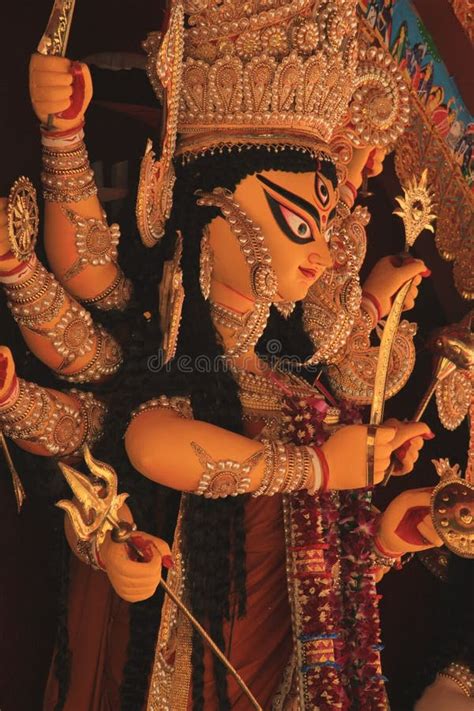
The Aparadha Kshamapana Stotram is a powerful hymn dedicated to the Divine Mother, seeking forgiveness for our shortcomings and mistakes. It beautifully expresses our dependence on the Divine and the boundless compassion of the Mother.
The Essence of the Stotram
The Stotram acknowledges our human frailties and our inability to perfectly adhere to rituals and practices. It emphasizes that even with our imperfections, the Divine Mother's love and grace remain constant.
Verse 1: An Acknowledgment of Ignorance
This verse highlights the devotee's lack of knowledge in mantras, yantras, eulogies, invocations, meditations, mudras, and even lamentations. However, the devotee knows that following the Divine Mother, even imperfectly, can remove afflictions.
न मत्रं नो यन्त्रं तदपि च न जाने स्तुतिमहोन चाह्वानं ध्यानं तदपि च न जाने स्तुतिकथाः ।
न जाने मुद्रास्ते तदपि च न जाने विलपनंपरं जाने मातस्त्वदनुसरणं क्लेशहरणम् ॥१॥
Na Matram No Yantram Tad-Api Ca Na Jaane Stutim-Aho
Na Ca-[A]ahvaanam Dhyaanam Tad-Api Ca Na Jaane Stuti-Kathaah |
Na Jaane Mudraas-Te Tad-Api Ca Na Jaane Vilapanam
Param Jaane Maatas-Tvad-Anusarannam Klesha-Harannam ||1||
Read also: The Significance of Lakshmi Stotram
Meaning: (O Mother) Neither Your Mantra, Nor Yantra (do I know); And Alas, Not even I know Your Stuti (Eulogy). I do not know how to Invoke You through Dhyana (Meditation); (And Alas), Not even I know how to simply recite Your Glories (Stuti-Katha). I do not know Your Mudras (to contemplate on You); (And Alas), Not even I know how to simply Cry for You. However, one thing I know (for certain); By following You (somehow through remembrance however imperfectly) will take away all my Afflictions (from my Mind).
Verse 2: Admitting Failures
Due to ignorance of the Vidhis (Injunctions of Worship), and due to lack of Wealth, as well as due to my Indolent (Lazy) nature, it was not possible for me to serve Your Lotus Feet; there have been Failures on the performance of my duties. But All these are pardonable (by You), O Mother; because You are the Saviour of All, O Shivaa (Auspicious Mother). There can be Kuputra (fallen disobedient son turning away from Mother), but there can never be Kumata (Mother turning away from son permanently).
विधेरज्ञानेन द्रविणविरहेणालसतयाविधेयाशक्यत्वात्तव चरणयोर्या च्युतिरभूत् ।
तदेतत् क्षन्तव्यं जननि सकलोद्धारिणि शिवेकुपुत्रो जायेत क्वचिदपि कुमाता न भवति ॥२॥
Vidher-Ajnyaanena Dravinna-Virahenna-Alasatayaa
Vidheya-Ashakyatvaat-Tava Carannayoryaa Cyutir-Abhuut |
Tad-Etat Kssantavyam Janani Sakalo[a-U]ddhaarinni Shive
Kuputro Jaayeta Kvacid-Api Kumaataa Na Bhavati ||2||
Verse 3: A Restless Child
In this World, there are many many Sons of Yours who are Simple-minded, However, among them I am a rare Son of Yours who is Restless. Because of this only, it is not proper for You to forsake me O Shivaa (Auspicious Mother). There can be Kuputra (fallen disobedient son turning away from Mother), but there can never be Kumata (Mother turning away from son permanently).
Read also: The Rudrashtakam
पृथिव्यां पुत्रास्ते जननि बहवः सन्ति सरलाःपरं तेषां मध्ये विरलतरलोऽहं तव सुतः ।
मदीयोऽयं त्यागः समुचितमिदं नो तव शिवेकुपुत्रो जायेत क्वचिदपि कुमाता न भवति ॥३॥
Prthivyaam Putraas-Te Janani Bahavah Santi Saralaah
Param Tessaam Madhye Virala-Taralo[a-A]ham Tava Sutah |
Madiiyo-[A]yam Tyaagah Samucitam-Idam No Tava Shive
Kuputro Jaayeta Kvacid-Api Kumaataa Na Bhavati ||3||
Verse 4: Unconditional Love
O Jaganmata (Mother of the World), O Mother, I have never Served Your Lotus Feet, Neither have I offered, O Devi, abundant Wealth at Your Lotus Feet (during Worship). Inspite of this, You have maintained Your Motherly Love towards me which is incomparable. There can be Kuputra (fallen disobedient son turning away from Mother), but there can never be Kumata (Mother turning away from son permanently).
जगन्मातर्मातस्तव चरणसेवा न रचितान वा दत्तं देवि द्रविणमपि भूयस्तव मया ।
तथापि त्वं स्नेहं मयि निरुपमं यत्प्रकुरुषेकुपुत्रो जायेत क्वचिदपि कुमाता न भवति ॥४॥
Jaganmaatar-Maatas-Tava Caranna-Sevaa Na Racitaa
Na Vaa Dattam Devi Dravinnam-Api Bhuuyas-Tava Mayaa |
Tathaa-[A]pi Tvam Sneham Mayi Nirupamam Yat-Prakurusse
Kuputro Jaayeta Kvacid-Api Kumaataa Na Bhavati ||4||
Read also: Benefits of Chanting Mahalakshmi Ashtakam
Verse 5: Seeking Refuge in Old Age
Letting go (i.e. Left or Never undertaking) the various Ritualistic Worship services of the Devas by me, more than Eighty Five years of my life has passed. Even at this moment (nearing death), if Your Grace do not descend, O Mother (Who is) of the form of Bliss-Consciousness, Where will this Niralamba (one without any support) seek Refuge, O Lambodara Janani (Mother of Lambodara or Ganesha).
परित्यक्ता देवा विविधविधसेवाकुलतयामया पञ्चाशीतेरधिकमपनीते तु वयसि ।
इदानीं चेन्मातस्तव यदि कृपा नापि भवितानिरालम्बो लम्बोदरजननि कं यामि शरणम् ॥५॥
Parityaktaa Devaa Vividha-Vidha-Sevaa-Kulatayaa
Mayaa Pan.caashiiter-Adhikam-Apaniite Tu Vayasi |
Idaaniim Cenmaatas-Tava Yadi Krpaa Na-Api Bhavitaa
Niraalambo Lambodara-Janani Kam Yaami Sharannam ||5||
Verse 6: The Power of Your Holy Japa
A Swapaka (a Dog-Eater or Chandala) (from whose mouth nothing much comes out in terms of good speech) becomes Jalpaka (Talkative) with Speech like a Madhupaka (from whose mouth good speech comes out like Honey) (by Your Grace), A Ranka (Poor and Miserable) becomes Niratanka (Free from Fear) forever, and moves about having obtained Million Gold (by Your Grace). O Aparna (another name of Devi Parvati), when Your Prayer (and Glory) enter one's Ear (and sits in the Heart), such is the Result. Then who among men can know, O Mother, the destiny which Your Holy Japa can unfold.
श्वपाको जल्पाको भवति मधुपाकोपमगिरानिरातङ्को रङ्को विहरति चिरं कोटिकनकैः ।
तवापर्णे कर्णे विशति मनुवर्णे फलमिदंजनः को जानीते जननि जपनीयं जपविधौ ॥६॥
Shvapaako Jalpaako Bhavati Madhupaako[a-U]pama-Giraa
Niraatangko Rangko Viharati Ciram Kotti-Kanakaih |
Tava-Aparnne Karnne Vishati Manu-Varnne Phalam-Idam
Janah Ko Jaaniite Janani Japaniiyam Japa-Vidhau ||6||
Verse 7: Lord Shiva and Your Pani Grahana
(Lord Shankara), Who is smeared with Chitabhasma (Ashes from the Cremation Ground), Whose Food is the Poison, Whose Clothes are the Directions, Who carry Matted Hairs on His Head, Who wear the Garland of the king of Snakes around His Neck; (Inspite of all this He is called) Pashupati (The Lord of the Pashus or Living Beings), He carries a Begging Bowl of Skull in His Hand but is worshipped as Bhutesha (The Lord of the Bhutas or Beings) and got the title of Jagadisha Eka (One Lord of the Universe). O Bhavani, all this is because of the result of Your Pani Grahana (Accepting Your Hand in Marriage).
चिताभस्मालेपो गरलमशनं दिक्पटधरोजटाधारी कण्ठे भुजगपतिहारी पशुपतिः ।
कपाली भूतेशो भजति जगदीशैकपदवींभवानि त्वत्पाणिग्रहणपरिपाटीफलमिदम् ॥७॥
Citaa-Bhasmaa-Lepo Garalam-Ashanam Dik-Patta-Dharo
Jattaa-Dhaarii Kanntthe Bhujaga-Pati-Haarii Pashupatih |
Kapaalii Bhuutesho Bhajati Jagadiishai[a-E]ka-Padaviim
Bhavaani Tvat-Paanni-Grahanna-Paripaattii-Phalam-Idam ||7||
Verse 8: The Desire to Remember Your Names
I do not have the desire for Moksha (Liberation); Neither have I the desire for Worldly Fortune, Neither do I long for Worldly Knowledge, O Shashi Mukhi (The Moon-Faced One); I do not have the desire for enjoying the Worldly comforts again. Henceforth I implore You, O Mother, May You direct my life towards (the rememberance of Your Names), (The string of Your Holy Names) Mridani Rudrani Shiva Shiva Bhavani; May my future life be spent in performing Japa of Your Holy Names.
न मोक्षस्याकाङ्क्षा भवविभववाञ्छापि च न मेन विज्ञानापेक्षा शशिमुखि सुखेच्छापि न पुनः ।
अतस्त्वां संयाचे जननि जननं यातु मम वैमृडानी रुद्राणी शिव शिव भवानीति जपतः ॥८॥
Na Mokssasya-[A]akaangkssaa Bhava-Vibhava-Vaan'chaa-[A]pi Ca Na Me
Na Vijnyaana-Apekssaa Shashi-Mukhi Sukhe[a-I]ccha-Api Na Punah |
Atas-Tvaam Samyaace Janani Jananam Yaatu Mama Vai
Mrddaanii Rudraannii Shiva Shiva Bhavaani-Iti Japatah ||8||
Verse 9: Extending Your Grace
I have not worshipped You as prescribed by tradition with various rituals, (On the other hand) What rough thoughts did my mind not think and my speech utter? O Shyama, inspite of this, if You indeed, to a little extent, to this orphan have extended Your Grace, O Supreme Mother, It indeed only becomes You (i.e. is possible for You).
नाराधितासि विधिना विविधोपचारैःकिं रुक्षचिन्तनपरैर्न कृतं वचोभिः ।
श्यामे त्वमेव यदि किञ्चन मय्यनाथेधत्से कृपामुचितमम्ब परं तवैव ॥९॥
Na-[A]araadhitaasi Vidhinaa Vividho[a-U]pacaaraih
Kim Rukssa-Cintana-Parair-Na Krtam Vacobhih |
Shyaame Tvameva Yadi Kin.cana Mayy-Anaathe
Dhatse Krpaam-Ucitam-Amba Param Tavai[a-E]va ||9||
Verse 10: Remembering You in Misfortunes
I have sunk in Misfortunes and therefore remembering You now (which I never did before), O Mother Durga, (You Who are) an Ocean of Compassion, ... Therefore, O Siva! O Mahadeva! O Sambhu! kṣantavyo me’parādhaḥ śiva śiva śiva bho śrīmahādeva śambho ..
आपत्सु मग्नः स्मरणं त्वदीयंकरोमि दुर्गे करुणार्णवेशि ।
नैतच्छठत्वं मम भावयेथाःक्षुधातृषार्ता जननीं स्मरन्ति ॥१०॥
Aapatsu Magnah Smarannam Tvadiiyam
Karomi Durge Karunnaa-[A]rnnav[a-Ii]eshi |
Nai[a-E]tac-Chattha-Tvam Mama Bhaavayethaah
Kssudhaa-Trssaa-[Aa]rtaa Jananiim Smaranti ||10||
O Lord Siva, kindly forgive all the wrong acts and omissions I have committed, whether I committed them knowingly or unknowingly, with my hands, feet, words, ears, eyes, or mind. The One who resides in the lotus of the heart, known through Vedanta, shining forth with the brilliance of rising light, the embodiment of truth and peace, revered by the lotus-minds of all sages, beyond the three states of waking, dream, and deep sleep, and untouched by the three guṇas-I do not remember that Śaṅkara. Therefore, O Siva! O Mahadeva! O Sambhu! mokṣārthaṃ kuru cittavṛttimacalāmanyaistu kiṃ karmabhiḥ .. svātmārthaṃ guruvākyato bhaja mana śrīpārvatīvallabham .. mā bhūdevaṃ mama paśupate janmajanmāntareṣu .. tasmāttvāṃ śaraṇāgataṃ śaraṇada tvaṃ rakṣa rakṣādhunā .. O Siva! so’yaṃ sarvasito dadātu vibhavaṃ pāpakṣayaṃ sarvadā .. O Siva! śiva śiva karuṇābdhe śrīmahādeva śambho ..
Powerful Chant to Seek Lord Shiva's Forgiveness for All Mistakes - Shiva Aparadha Kshamapana Stotram
Table: Key Concepts in Aparadha Kshamapana Stotram
| Concept | Meaning |
|---|---|
| Mantra | Sacred sound or syllable |
| Yantra | Mystical diagram |
| Stuti | Eulogy or praise |
| Dhyana | Meditation |
| Mudra | Symbolic hand gesture |
| Japa | Repetition of a mantra |
tags: #aparadha #kshamapana #stotram #telugu