In the realm of spirituality and metaphysics, concepts such as manifestation and angel numbers have captured the imagination of countless individuals seeking to unlock the secrets of the universe. While often regarded as esoteric or mystical, these phenomena have increasingly piqued the interest of scientists and researchers eager to explore their underlying mechanisms and potential implications. In this comprehensive exploration, we delve into the science behind manifestation and angel numbers, uncovering the psychological, neurological, and quantum principles that may shed light on these enigmatic phenomena.
Part 1: The Science of Manifestation
Manifestation refers to the process of bringing desires, goals, or intentions into reality through focused thought, visualization, and belief. Proponents of manifestation techniques assert that by aligning one’s thoughts and emotions with desired outcomes, individuals can attract positive experiences and materialize their aspirations.
Psychological Mechanisms
The psychological underpinnings of manifestation draw upon principles of cognitive-behavioral therapy, positive psychology, and the placebo effect. Practices such as visualisation, affirmation, and goal setting harness the power of the mind to influence behavior and outcomes.
Example: Visualisation techniques, such as creating vision boards or mental imagery exercises, activate neural pathways associated with goal pursuit and increase motivation and confidence.
Neuroplasticity and Brain Rewiring
Research in neuroscience suggests that the brain exhibits a remarkable capacity for neuroplasticity, or the ability to reorganize and adapt in response to experiences and stimuli. By engaging in consistent manifestation practices, individuals may effectively rewire their neural circuitry to support desired outcomes.
Read also: Claim Angel: A Customer Service Innovation
Example: Studies have shown that visualisation exercises can enhance neural connectivity in brain regions associated with goal attainment, such as the prefrontal cortex and anterior cingulate cortex.
Quantum Principles
Some proponents of manifestation theories invoke concepts from quantum physics, such as the observer effect and quantum entanglement, to explain the mechanism by which thoughts and intentions influence reality. However, the application of quantum principles to manifestation remains controversial and subject to debate among scientists.
Example: The observer effect posits that the act of observing a quantum system can alter its behavior, suggesting a potential link between consciousness and the manifestation of physical outcomes.
Scientific Studies and Empirical Evidence
While empirical studies on manifestation are limited, some research has explored the efficacy of related techniques, such as visualisation and positive affirmations, in achieving specific goals and outcomes. These studies often focus on outcomes such as academic performance, athletic performance, and health-related behaviors.
Example: A study published in the Journal of Applied Sport Psychology found that athletes who engaged in mental imagery exercises significantly improved their performance compared to those who did not visualize.
Read also: Understanding Angel Number 3
Placebo Effect
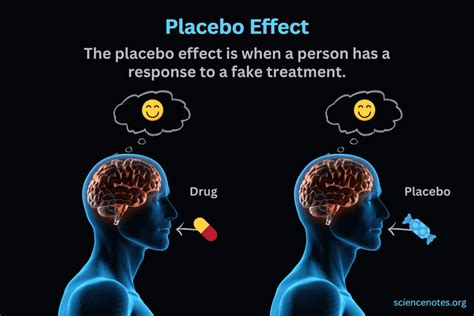
The placebo effect, whereby the belief in a treatment or intervention influences its efficacy, offers insights into the power of belief and expectation in shaping outcomes. Manifestation practices may tap into similar psychological mechanisms, eliciting positive changes through the placebo response.
Example: Research has shown that placebo interventions can lead to improvements in symptoms and outcomes across a range of conditions, including pain management, depression, and anxiety.
Practical Applications and Techniques
- Visualisation: Visualisation involves mentally picturing desired outcomes or experiences with vivid detail and emotional engagement. By repeatedly visualising desired goals, individuals reinforce neural pathways associated with those outcomes, increasing the likelihood of their manifestation.
Example: Olympic athletes often use visualisation techniques to mentally rehearse their performance and envision success, enhancing confidence and performance on the field.
- Affirmations: Affirmations are positive statements or phrases repeated aloud or mentally to reinforce desired beliefs or outcomes. By affirming positive qualities or intentions, individuals cultivate a mindset conducive to achieving their goals.
Example: Daily affirmations such as “I am capable of achieving my goals” or “I attract abundance into my life” can help shift negative self-talk and instill a sense of empowerment and optimism.
- Gratitude Practice: Gratitude practices involve acknowledging and appreciating the positive aspects of one’s life, fostering a mindset of abundance and appreciation. Cultivating gratitude can enhance emotional well-being and attract more positive experiences into one’s life.
Example: Keeping a gratitude journal and regularly reflecting on moments of gratitude and appreciation can increase feelings of happiness, contentment, and satisfaction with life.
Read also: Angel Wings in Different Cultures
If You Feel Stuck Watch THIS To Manifest Your DREAM Life (I Wish I Knew THIS Sooner...)
Part 2: The Science Behind Angel Numbers
Angel numbers are sequences of numbers that are believed to convey messages or guidance from spiritual beings, such as angels or spirit guides. These numerical patterns often appear repeatedly in daily life, such as on clocks, license plates, or receipts, prompting individuals to pay attention and interpret their significance.
Numerology
Angel numbers are rooted in the ancient practice of numerology, which assigns symbolic meanings to numbers based on their vibrational frequencies and spiritual significance. Each number carries its own unique symbolism and message, offering insights into personal growth, spiritual awakening, and divine guidance.
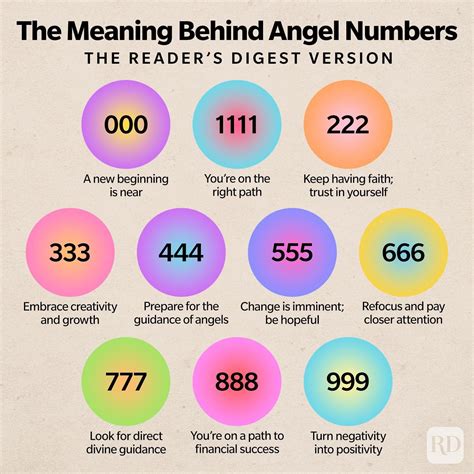
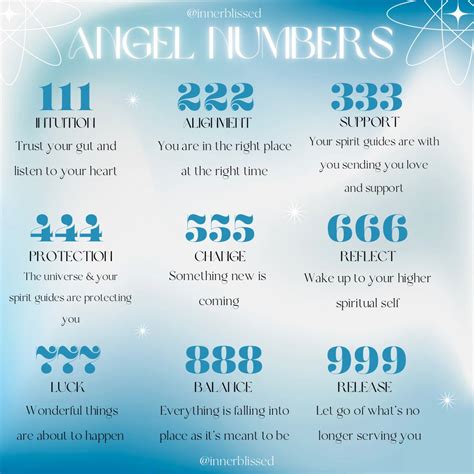
Example: The number 111, often interpreted as a sign of new beginnings and manifestation, signifies alignment with one’s intentions and the manifestation of desires into reality.
Synchronicity and Meaningful Coincidence
The appearance of angel numbers is often associated with synchronicity, a concept introduced by Swiss psychologist Carl Jung to describe meaningful coincidences that defy conventional explanations. Synchronistic events are believed to carry deeper symbolic or spiritual significance, guiding individuals along their spiritual journey.
Example: A person who repeatedly encounters the number sequence 333 during times of uncertainty or transition may interpret it as a message from the universe to trust in their inner wisdom and embrace their divine purpose.
Personal Interpretation
Interpretations of angel numbers are highly subjective and may vary depending on individual beliefs, experiences, and intuitive insights. Some individuals may consult angel number interpretations provided by spiritual practitioners or refer to numerology resources to decipher their meaning.
Example: A person who consistently sees the number 777 may interpret it as a sign of spiritual alignment and divine protection, encouraging them to trust in the universe and remain open to receiving blessings and guidance.
Psychological and Cognitive Perspectives
Confirmation Bias
The tendency to seek out information that confirms one’s existing beliefs or expectations may contribute to the interpretation of angel numbers as meaningful signs or messages. Individuals who ascribe significance to specific number sequences may unconsciously notice and remember instances where those numbers appear, reinforcing their belief in their significance.
Example: A person who believes that seeing the number 444 is a sign of angelic protection may be more likely to notice and remember instances where the number appears, while disregarding or forgetting instances where it does not.
Pattern Recognition
The human brain is wired to detect patterns and associations, allowing us to make sense of complex information and navigate our environment. When presented with numerical sequences, the brain may instinctively search for meaning or significance, leading to the interpretation of angel numbers as meaningful symbols.
Example: The tendency to perceive patterns in random or ambiguous stimuli, known as apophenia, may contribute to the interpretation of mundane occurrences, such as license plate numbers or street addresses, as signs or messages from the universe.
Cultural and Societal Influences
Spiritual Beliefs and Traditions
Beliefs in angelic beings and divine guidance are prevalent across various religious and spiritual traditions, influencing interpretations of angel numbers and their significance. Cultural norms, familial upbringing, and exposure to spiritual teachings can shape individuals’ beliefs about the existence and nature of angelic guidance, influencing their interpretation of numerical synchronicities.
Example: In Christianity, angels are often depicted as messengers of God, delivering divine guidance and protection to believers.
Apophenia: Seeing Patterns Where None Exist
Just because “angel numbers” have no scientific basis, doesn’t mean there’s nothing interesting going on behind the phenomenon. The real explanation for angel numbers, though, doesn’t lie in math, but psychology: it’s a manifestation of the very real and scientifically backed effect known as apophenia.
“Apophenia is an error of perception: The tendency to interpret random patterns as meaningful,” explains John W. Hoopes, Professor of Social and Behavioral Sciences Anthropology at the University of Kansas. Pareidolia is visual apophenia. An example would be seeing the face of Jesus on a grilled cheese sandwich, the Virgin Mary in a water stain on the subway wall, the Man in the Moon, or faces in the clouds.
Astrology, for example, is a prime example of the phenomenon: from seeing patterns that don’t exist based on people’s time and date of birth, to seeing “pictures” in the sky formed by completely random stars that, in reality, are hundreds of light-years from each other, it’s hard to think of any aspect of the hobby which isn’t based on apophenia.
Why do we experience apophenia?
As dangerous as it is in the modern world, there’s a pretty good reason we’re wired to see these patterns. “The brain has evolved a fantastic capacity to find meanings and connections,” explains Barry Markovsky, Distinguished Professor Emeritus of Sociology at the University of South Carolina. “Doing so once meant the difference between survival and death,” he writes.
Even today, when it works out, pattern recognition is an extremely important part of life. Not just for things like spotting when food has gone off, or whether a particular expression from some guy at a bar is likely to lead to a smooch or a punch in the face - it’s also what underpins modern computing and AI. It even forms the basis of our bodies’ immune responses.
Angel Numbers and OCD
A fixation on angel numbers often comes from the desire for control. Life is unpredictable, and uncertainty can be deeply uncomfortable. Angel numbers can feel like a way to make sense of that uncertainty, or even predict a positive outcome. This desire for control is especially common in people with obsessive-compulsive disorder (OCD).
With magical thinking OCD, people believe that certain patterns, thoughts, or actions can influence unrelated outcomes. For example, you might feel that seeing angel numbers-sequences like 11:11 or 222-isn’t just a coincidence, but a sign that you can determine the outcome of future events.
ERP therapy can help with magical thinking OCD by gradually exposing you to the thoughts, fears, or patterns that trigger your anxiety, while helping you resist the urge to perform compulsions. Over time, exposures reduce the power obsessions have over you.
It is important to note that ERP isn’t about ignoring or avoiding angel numbers, especially if they hold a spiritual significance to you. Seeing angel numbers is common, and if you enjoy noticing them, that’s perfectly okay. Finding patterns can feel fun or even comforting at times. However, if it starts to feel like you can’t stop thinking about these numbers, it’s worth reaching out for help.