Spiritual depression refers to feelings of sadness, a loss of joy, and a disconnect from spirituality, religion, or God.
While spiritual depression is not an official medical diagnosis, people may refer to spiritual depression if they are feeling a loss of connection to their spirituality or religion, a lack of God or a higher power in their life, or a general feeling of melancholy or sadness.

This article will explore what spiritual depression is, the signs, causes, and treatment.
What is Spiritual Depression?
Spiritual depression is a term introduced in 1954 by minister and medical doctor Dr. Martyn Lloyd-Jones in his book Spiritual Depression: Its Causes and Cures.
According to Dr. Martyn Lloyd-Jones in his book Spiritual Depression: Its Causes and Cures, a bible verse once came to him from Psalm 42:11, “Why art thou cast down, O my soul? And why art thou disquieted within me? Hope thou in God: for I shall yet praise him, who is the health of my countenance, and my God.” From these emotions, he compiled a list of sermons that dealt with the topic of spiritual depression.
Read also: Understanding anemia spiritually
So, spiritual depression can look different for each person and may actually suggest issues with mental health, such as having a depressive disorder.
What Does it Mean to Be Spiritual?
There is no universally accepted consensus on the definition of spirituality.
One study defines spirituality in five factors, such as:
- Meaning, and what one gives meaning to
- Value, and what one gives value to
- Transcendence, which is an experience that goes beyond what may seem “normal”
- Connection with oneself, other people, and a supreme or higher power such as God or the environment
- Becoming, which is the progress that one makes in life
A spiritual depression may arise when a person feels less connected or has no joy or meaning in relation to one of these five factors.
Signs of Spiritual Depression
There is no definitive list of signs of spiritual depression, but many may overlap with depression itself. A person experiencing spiritual depression may feel a disconnect from God or a higher power alongside a sense of deep sadness or a lack of joy.
Read also: Light Blue: Calmness and Healing
Some potential signs include:
- A lack of faith or confusion about faith
- A disconnect from God, whichever religion a person may follow
- Feeling like God does not answer prayers
- Sadness or lack of joy in faith, religion, or relationship with God
- Avoiding places of worship
- Avoiding people a person once worshipped with
- General feelings of sadness, emptiness
- Inability to feel pleasure
- Feeling like life has lost meaning
- Negative thinking about religion, God, a higher power, or the universe
- Negative thinking about the meaning of life, such as there is no meaning, therefore everything feels “pointless”
- A sense of overall hopelessness
Many signs of spiritual depression may overlap with symptoms of depression overall.
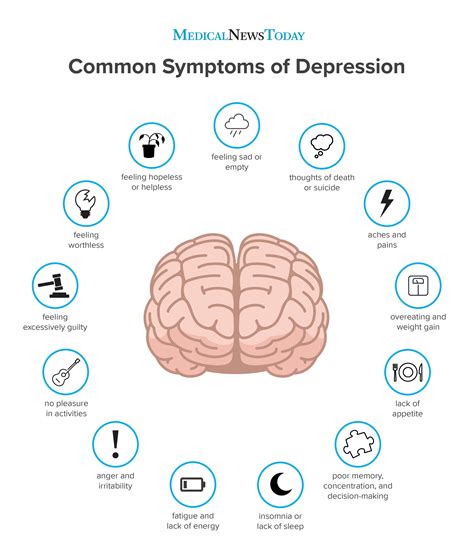
These include:
- Feelings of sadness or “emptiness”
- Lack of joy or desire to do things once enjoyed
- Feelings of irritability or frustration
- Feelings of worthlessness
- Little energy, feeling tired all the time
- Difficulty sleeping and eating
- Physical ailments such as stomach aches or headaches
- Unplanned weight changes
- Suicidal thoughts
Spiritual depression will usually relate to a person’s spirituality or faith.
Signs of spiritual depression may morph into depression as a mental health condition known as clinical depression. A person may also have both spiritual depression and clinical depression at the same time, particularly if they feel they have lost connection with their faith, resulting in less joy in overall life.
Read also: Explained: Spiritual Blessings
Causes of Spiritual Depression
Depression itself can stem from a variety of causes, such as:
- Genetics, or a family history of depression
- Life factors, such as trauma, negative experiences, loss, or stress
- Physical health problems such as thyroid disease
Spiritual depression may stem from the above in relation to faith, spirituality, and religion.
This may include:
- Life challenges that may make a person question whether there is a God or what the purpose of their life is
- Worries about the future, including anxious feelings of not being in control of what may happen
- Difficulty moving on from the past, or past wrongdoings or “sins” a person may have done
- Having less time for practicing spirituality, such as no time for worship or praying
- Doubt stemming from seeing bad and upsetting things happen in life, such as war, death, and crime
- Having existential doubts, such as why people have to suffer or what direction they need to take in life
- Mental health conditions such as anxiety
- Dissatisfaction with how life is or what people value, such as materialistic things
Depression and spiritual awakening -- two sides of one door | Lisa Miller | TEDxTeachersCollege
Studies show that spirituality has positive influences on life, so when a person experiences a loss of faith or connection to God or a higher power, this may result in an overall negative view.
Overcoming Spiritual Depression
The first step to overcoming spiritual depression is to recognize the differences between spiritual depression and clinical depression. Identifying how a person’s spirituality, or lack of it, can cause depression is a key step to overcoming it, as well as being aware of overall depression symptoms.
It may be a good idea to recognize areas in life that may relate to a person’s spiritual depression, such as having stopped praying or going to places of worship. In cases like these, taking steps to reach out to people who may be able to help, such as a pastor or imam, can be beneficial.
Overcoming spiritual depression can look different to each person. Some ways that could help to overcome it include:
- Learning about what gives life meaning, which will vary from person to person
- Recognizing that everyone has moments of feeling directionless or purposelessness
- Practicing mindfulness to try and foster a mind, body, and spirit connection
- Cultivating self-awareness; this can include a person learning about themselves, what triggers negative and positive feelings, identifying values, and practicing gratitude
- Making an effort to do things that feed spirituality, such as going to church, speaking with God, or spending time in nature
- Engaging in spiritual practices such as praying or meditating
- Learning to trust in God
- Seeking support and guidance from spiritual leaders
- Going on spiritual retreats or workshops
- Doing activities that feed the mind, body, and spirit, such as yoga
- Learning to forgive things that may have happened in the past without dwelling on them
Treating Depression
Some people with spiritual depression may also have clinical depression at the same time.
Treating depression may include:
- Anti-depressant medications such as SSRIs and SNRIs
- Cognitive behavioral therapy (CBT)
- Interpersonal therapy (IPT)
- Electroconvulsive therapy (ECT)
Support for spiritual depression can come from many avenues, including spiritual leaders and mentors such as pastors or clinical therapists who specialize in spiritual counseling. Being open and honest about what a person is feeling is important, and to not be afraid of what others may think of their faith, their relationship with God, or their feelings toward themselves.
Faith-based counseling is available and can ensure a therapist is empathetic and understanding toward any spiritual concerns. Be sure to:
- Make sure a therapist has their license and is trained and certified in their profession, such as through the American Psychological Association or American Psychiatric Association.
- Be open about spiritual issues or concerns.
- Talk with spiritual leaders or mentors to see if they know any counselors or faith-based counselors.
The Dark Night of the Soul
Though not technically depression, there is one more source of desolation called the Dark Night of the Soul that shares many symptoms with depression.
The Dark Night of the Soul typically occurs to those who are in a very advanced stage of spiritual life. It has been documented by saints such as St. John of the Cross (who wrote extensively about it), St. Teresa of Avila, St. Thérèse of Lisieux, St. Teresa of Calcutta, and St. Paul of the Cross.
The Role of Spirituality in Meaning of Life
A cross-sectional study examined whether spirituality moderates the association between depression symptom severity and meaning in life among treatment-seeking adults.
Participants were 55 adults (≥ 60 years of age) newly seeking outpatient mental health treatment for mood, anxiety, or adjustment disorders.
Self-report questionnaires measured depression symptom severity (Patient Health Questionnaire-9), spirituality (Spirituality Transcendence Index), and meaning in life (Geriatric Suicide Ideation Scale-Meaning in Life subscale).
Results indicated a significant interaction between spirituality and depression symptom severity on meaning in life scores (β = .26, p = .02). A significant negative association between depression symptom severity and meaning in life was observed at lower but not the highest levels of spirituality. In the presence of elevated depressive symptomatology, those participants who reported high levels of spirituality reported comparable levels of meaning in life to those without elevated depressive symptomatology.
The current study supported the hypothesis that spirituality moderates the association between depression symptom severity and meaning in life among older adults in outpatient mental health treatment. At lower levels of spirituality, there was a robust association between depression symptom severity and feeling that life is meaningless. At high levels of spirituality, the relationship between depressive symptoms and feelings of meaninglessness is attenuated and non-significant. At lower levels of depression, meaning in life was high for most participants. However, at elevated levels of depression, levels of meaning in life varied, with those who reported high levels of spirituality reporting comparable levels of meaning in life to those without elevated depression.
The present cross-sectional findings provide an empirical basis for hypotheses about the protective function of spirituality against loss of meaning in life in the presence of elevated depressive symptomatology.
Table 1: Descriptive Statistics and Pearson’s Correlations
| Variable | Mean (SD) | 1 | 2 | 3 |
|---|---|---|---|---|
| 1. Meaning in Life (MIL) | 30.4 (6.8) | - | ||
| 2. Depression Symptom Severity (PHQ-9) | 8.7 (6.1) | -.43** | - | |
| 3. Spirituality (STI) | 37.3 (7.8) | .35* | -.17 | - |
| 4. Social Support (PSS-Family) | 15.2 (4.9) | .29* | -.17 | .25 |
Note: *p < .05, **p < .01
Conclusion
Spiritual depression can mean a person feels sadness centering around a disconnect from spirituality, religion, or God. It may stem from traumatic life challenges, existential doubts, and general dissatisfaction with how life is. Many people may experience spiritual depression alongside clinical depression, and it is important to speak with a doctor about symptoms.
tags: #depression #spiritual #meaning