Tarot card reading has long captivated seekers of spiritual insights, offering a unique blend of symbolism, intuition, and psychology. But the question remains: Is Tarot Card Reading True? This is a common inquiry that many people grapple with as they seek to understand whether tarot provides real guidance or is simply a reflection of chance and belief.
Before we can explore whether tarot card reading is true, it's essential to understand what tarot is and how it works. Tarot is not just about predicting the future-it’s a tool for self-reflection, personal growth, and gaining spiritual tarot insights. The history of tarot dates back to the 15th century, originally created as a card game in Europe. Over time, it evolved into a powerful tool for divination and spiritual guidance. Tarot card readings were used to tap into the subconscious mind, providing deeper clarity in times of uncertainty. What began as a simple pastime soon became a spiritual practice sought by mystics and individuals alike.
Many modern practitioners believe that tarot provides more than just a casual pastime-it connects us to a universal energy that can offer answers to life’s big questions. The question of Is Tarot Card Reading True? is often answered by those who find comfort in these revelations, suggesting that tarot can be an invaluable tool for inner wisdom.
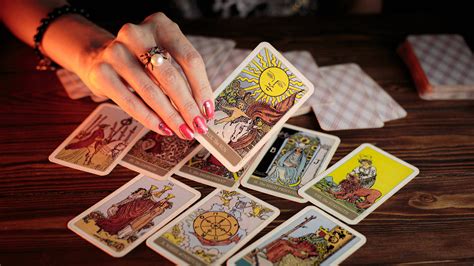
A standard tarot deck consists of 78 cards, each with its own symbolic meaning. These cards are divided into two main categories: the Major Arcana, representing life-changing events, and the Minor Arcana, which reflects day-to-day situations. The role of the tarot reader is to interpret the cards based on their position and relationship with each other. The reader's intuition plays a crucial role in making sense of these tarot truths, helping guide the querent toward insight and clarity.
When you ask Is Tarot Card Reading True? you’re essentially asking whether these symbolic images on the cards can offer real-life wisdom. The answer lies in how the reader connects with the cards and how the individual receiving the reading interprets the insights.
Read also: Heartbreak and the Three of Swords
From a spiritual viewpoint, tarot card readings are believed to connect with the reader's intuition, energy, and subconscious mind. Many people turn to tarot as a way to tap into the wisdom of the universe or their higher selves. Spiritual tarot insights are considered deeply meaningful, as they help individuals better understand their life’s path, relationships, and emotional well-being.
When pondering Is Tarot Card Reading True?, many see it as a deeply personal experience rather than an absolute truth. The human mind is capable of interpreting symbolic images in a way that aligns with personal experiences and emotions. When you ask, Is Tarot Card Reading True?, part of the answer lies in the subconscious mind’s ability to project meaning onto the images in the tarot cards. This is tied to the psychological theory of projection, where individuals unconsciously place their own thoughts and emotions onto external stimuli.
Additionally, confirmation bias plays a role. The concept of synchronicity, as proposed by Carl Jung, involves meaningful coincidences that seem to defy explanation. Tarot readings often seem to mirror synchronicities in life-events or situations that align perfectly with the reading at hand. These meaningful coincidences may answer the question How accurate are tarot readings? by showing that these connections can reveal insights we might not consciously recognize.
Many find that tarot readings have an uncanny way of bringing clarity, as if the universe is speaking through the cards.
Factors Influencing Tarot Reading Accuracy
One of the most common questions surrounding tarot is, How accurate are tarot readings? Several factors can influence the accuracy and depth of a tarot reading:
Read also: The Meaning of Tarot Suits
- The Skill of the Reader: An experienced tarot reader brings a high level of intuition and knowledge to a reading, increasing its potential for accuracy. As readers develop their connection with the cards, they learn how to interpret even the most complex spreads.
- The Querent’s Energy: The energy of the person asking the question plays a significant role in the accuracy of the reading. Being open-minded and receptive to the reading can enhance the clarity and accuracy of the insights provided.
- The Type of Question Asked: Specific questions tend to produce more accurate readings than vague ones.
Asking straightforward, specific questions is vital if you’re determined to read tarot cards more accurately, as the answers will give you a focused direction for the reading. Is the querent (in this case, you) seeking guidance about the best path while facing a crossroads?
To read tarot cards more accurately, you must ensure you’re in the right frame of mind by keeping yourself calm and focused. Approach the reading with openness, receptivity, and a positive attitude. When reading tarot cards, remember that readings showcase possibilities rather than definitive facts.
Aside from comparing the readers’ ratings and profiles, you can also pick the chat duration.
A skilled reader typically exudes calm, confidence, and authenticity, creating a comfortable and receptive atmosphere for querents like you. Confident readers show that they believe in their own abilities and interpretations; this assures clients like you that they’re trustworthy experts in tarot cards. Observe whether your tarot reader remains authentic and genuine throughout the reading without putting on airs or pretenses. A talented reader can discern intricate connections and layers of symbolism within the cards, providing depth and richness to your reading. A well-rounded tarot reader thoughtfully delivers the reading, considering your emotions and concerns. The psychic must approach each reading with empathy and sensitivity, creating a supportive space where querents like you are free to explore their questions. A proficient reader offers practical, actionable advice that aligns with your circumstances and goals.
Judging a tarot reader’s quality ultimately boils down to how the reading feels for you.
Read also: The Symbolism of Bad Bunny's Super Bowl Stage
Common Myths About Tarot
There are several misconceptions about tarot that can influence perceptions of its accuracy:
- Myth: Tarot Predicts the Future with Certainty: Tarot doesn’t predict the future with absolute certainty. Instead, it provides insights based on current energies and influences, offering guidance for decision-making.
- Myth: Only Psychics Can Read Tarot: While some tarot readers may also be psychic, anyone can learn to read tarot cards with practice. It’s about tapping into intuition and symbolism rather than relying solely on psychic abilities.
- Myth: Negative Cards Mean Bad Things Will Happen: A common misconception is that negative cards indicate an inevitable bad event.
No, tarot readings can offer positive insights and guidance, even from cards that appear challenging.
The Skeptical View: Skeptics argue that tarot readings are simply the result of cold reading or generalized statements that could apply to anyone. They claim that without scientific evidence to support the efficacy of tarot, it remains an unproven practice.
Why People Still Believe in Tarot: Despite skepticism, many continue to find value in tarot. Personal experiences of transformation, healing, and self-awareness play a significant role in why people seek tarot readings.
How to Choose a Tarot Deck for Beginners
How to Get the Most Accurate Tarot Reading
To get the most accurate tarot reading, it's essential to:
- Find an experienced and ethical reader: Look for someone who is trustworthy and offers genuine guidance based on their intuitive abilities.
- Ask clear and specific questions: The clarity of your question plays a crucial role in the quality of your reading. Avoid yes/no questions and focus on open-ended inquiries to gain deeper insights.
- View tarot as a tool for guidance: It's essential to view tarot as a tool for guidance, not a definitive answer. Tarot readings can help you gain clarity, but ultimately, the decisions you make are yours.
In conclusion, Is Tarot Card Reading True? It depends on how you approach it. Tarot is a blend of intuition, symbolism, and psychology, offering valuable spiritual tarot insights and a guide to self-reflection. While tarot readings may not provide absolute certainty, they can offer meaningful guidance to those seeking answers.
Whether you are looking for personal growth, clarity in relationships, or just a deeper connection with your inner self, tarot can be a valuable tool.
The origins of tarot cards can be traced back to the 15th century, primarily in Europe, where they were initially used for playing a group of card games known as Tarocchi. It wasn't until the late 18th century that tarot cards began to be associated with mysticism and magic by scholars of the occult. Tarot decks are comprised of 78 cards, divided into the Major Arcana (22 cards) and the Minor Arcana (56 cards).
Today, tarot has transcended its mystical origins to become a tool for introspection, guidance, and even psychological support. Many people turn to tarot readings for insights into their personal lives, relationships, and potential future outcomes.
From a scientific standpoint, the effectiveness of tarot readings can be challenging to quantify. However, some psychological theories suggest that tarot can be an effective tool for introspection and therapy. The imagery and symbolism in tarot cards can help individuals project their subconscious thoughts and feelings, thereby facilitating a form of psychodynamic therapy.
The question of whether tarot cards are "real" in a mystical sense remains a matter of personal belief. Historically, tarot cards are a product of cultural evolution, transforming from game pieces to tools of divination. Today, they serve as multifaceted instruments for introspection, guidance, and psychological exploration.
In conclusion, the reality of tarot cards may not lie in their ability to predict the future or unveil hidden truths but in their capacity to reflect our innermost thoughts and feelings.
Infographic showing factors influencing tarot card reading accuracy.
Exploring Tarot Spreads: One-Card, Three-Card, and Celtic Cross
Tarot spreads are specific patterns in which tarot cards are laid out to provide insight into a question or situation. Different spreads offer varying levels of detail and complexity.
- One-Card Pulls: One-card pulls involve drawing a single tarot card to provide insight into a specific question or situation. However, its impact on accuracy may be limited compared to more complex spreads.
- Three-Card Spreads: With three-card spreads, the reader draws three tarot cards to provide insight into a situation or other past, present, and future aspects.
- Celtic Cross Spread: The Celtic Cross spread is a classic (and widely used) tarot spread consisting of ten cards arranged in a specific pattern. By using more cards, you will see more connections and nuances to consider.
Online Tarot Reading Platforms: A Brief Overview
Just like face-to-face tarot readings, online tarot readings may be accurate to a certain extent, depending on several factors. While many people find online tarot readings insightful and accurate, others may be skeptical of their validity. If you ask different people, “How accurate are tarot readings?” you’ll see that their belief in these cards varies widely. However, the accuracy of tarot readings is subjective.
Planning to get a reading from skilled readers with extensive experience under their belt?
Here’s a brief look at some popular platforms:
- Purple Garden: Purple Garden offers a user-friendly app for tarot readings featuring a wide range of experienced psychics. Aside from comparing the readers’ ratings and profiles, you can also pick the chat duration. Purple Garden’s user reviews paint a contrasting picture. A Reddit user on r/psychicsonline hails it as the best psychic app around, praising its experienced and seemingly accurate psychics.
- Keen: Keen is a well-established platform known for its extensive network of professional tarot readers. Through its detailed profiles and user reviews, Keen allows its clients like you to choose the best reader for their needs. Keen gets a mixed bag of reviews on Trustpilot. Some users love the chat feature and appreciate being able to revisit past readings. They also find their favorite psychics to be reliable and supportive, offering non-judgmental guidance. However, not everyone’s a happy camper.
- Kasamba: The platform generously gives introductory discounts for new users. Kasamba has a decent rating of 4.3 stars on Trustpilot.
- Everclear: Everclear offers a unique approach by combining tarot readings with life coaching. The platform provides you with personalized, one-on-one guidance from vetted advisors. Their app boasts a high rating on the Apple App Store, with fans raving about their psychics’ ability to boost one’s confidence and unearth your true potential. That said, some users report less-than-stellar readings.
- Mysticsense: Mysticsense provides a comprehensive online platform where you can explore a variety of psychic readings, from tarot cards to specialized services like love and career readings, mediums, and numerology. Mysticsense has mixed reviews from users on Trustpilot. One user praised the site for providing essential validation and insights during a tough situation with compassion.
Frequently Asked Questions
- Can tarot predict my future? Tarot does not predict the future with absolute certainty but offers guidance based on current energies and influences.
- Can anyone learn to read tarot? Yes, anyone can learn to read tarot cards with practice and dedication.
- Do tarot readings always have to be negative or ominous? No, tarot readings can offer positive insights and guidance, even from cards that appear challenging.
- How accurate are tarot readings? The accuracy of tarot readings varies depending on the reader, the querent, and the type of question asked.