Colors possess a remarkable ability to influence our emotions, perceptions, and even behavior. From vibrant reds to calming blues, each hue carries its own unique psychological impact. In this article, we delve into the captivating world of magenta and uncover its intriguing color psychology.
What is Magenta?
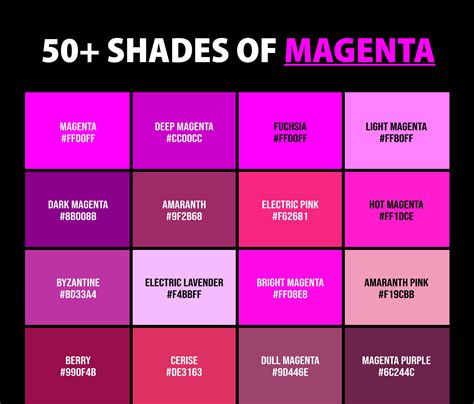
Magenta, a striking hue that lies between purple and pink on the color spectrum, is named after the dye created by chemist François-Emmanuel Verguin in the mid-19th century. Its vibrant and intense nature draws immediate attention, making it an intriguing color to explore.
Symbolic Meanings of Magenta
Magenta carries a wide range of symbolic meanings across different cultures and contexts. Traditionally, it has been associated with femininity and is often connected to the qualities of nurturing, compassion, and emotional expression. In color psychology, magenta is believed to inspire harmony, creativity, and spiritual growth.
Magenta and Creativity
Magenta’s association with creativity is particularly noteworthy. It sparks the imagination, fuels artistic endeavors, and encourages unconventional thinking. This vibrant hue can help break down barriers and free the mind from traditional constraints.
Magenta can be employed in branding, advertising, and packaging to evoke strong emotional responses and create memorable experiences. When used as an accent color, it can add vibrancy and sophistication to various design applications. However, its intensity also makes it a challenging hue to use in large quantities.
Read also: Understanding anemia spiritually
The Emotional Impact of Magenta
The emotional impact of magenta is quite profound. As a passionate color, magenta evokes strong feelings of excitement, intensity, and sensuality. Its bold presence can stimulate creativity and innovation, making it an ideal choice for artists and designers seeking inspiration.
Magenta and Spiritual Growth
The balance between the passionate energy of red and the calming serenity of blue creates a unique harmony within magenta. It is often linked to spiritual growth and a deeper connection with oneself. Magenta can be used as a tool for meditation, helping individuals find a sense of balance and inner peace.
Magenta in Auras
If you look at your aura or read someone else’s aura, you may wonder what different color energy fields mean. The color can provide insight into your spiritual, physical, psychological, and emotional well-being amongst other vital aspects of your life and energy. You may note a very intriguing aura color at certain times or with particular encounters: magenta. Naturally, you may wonder what a magenta aura color means.
An aura is a reflection of the energy inside a human being. In essence, people can radiate their energy outwards and create an electromagnetic field around them. Many people can feel each other’s auras without seeing a particular aura or aura color. Spiritual sages and gifted individuals can see auras and claim auras have colors. According to their beliefs and practices, the energy inside the body causes vibrations.
You may even see the colors emitting from the body in gradual succession; there are seven different layers corresponding to seven different energy centers or chakras of your body.
Read also: Light Blue: Calmness and Healing
- Physical: The first aura plane represents your physical well-being.
- Emotional: The second aura plane corresponds with your emotions and mood.
- Mental: The third aura plane shows your mental state, rational or logical reasoning, and everyday thoughts.
- Astral: The fourth aura plane displays your spirituality and love.
- Etheric: The fifth aura plane connects to your entire physical body. It also showcases your identity and your overall energy.
- Celestial: The sixth aura plane showcases your enlightenment, spirituality, or connection to divinity, intuition, and dreams.
- Causal: The seventh aura plane represents your entirety.
How To Read Your Own Aura - EASY METHOD To See Your Aura Color
A precise setting would be natural lighting and white background. By meditating and focusing on certain body parts in a mirror, you may start to see colors radiating from certain areas of your body. You can also try rubbing your hands, arms, or legs to increase visual vibration. Once you can see your aura, you may notice that the aura planes will vary in size, and they will vary in vibrancy.
If you are particularly healthy, your aura may extend many feet and be incredibly bright. However, if there is work to do in certain aspects of your life, you may have a small, dull auric field.
What Does a Magenta Aura Mean?
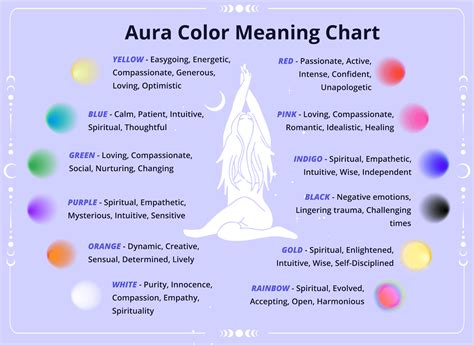
Is your aura color magenta? Magenta is an interesting color because it is an equal combination of red and blue. Since this is the case, a magenta aura is a mixture of both red and blue auras or energies. Red auras are deeply connected to the physical world. They have strong physical energy and emotions. Blue auras have natural gifts with communication, intuition, and thought.
Accordingly, a magenta aura suggests a strong ability to work with and transform the physical world through artistry and creative thought. A magenta aura color shows you have a highly creative spirit. You may have a natural ability to create or you may feel strong creative urges. Correspondingly, your personality may be passionate, eccentric, or highly energetic.
A magenta aura is well-balanced between the physical and metaphysical realms. You consider practicality important yet hold spirituality very close to your heart. In this way, you are more likely to exhibit an understanding of a great variety of perspectives, thoughts, and opinions. Since you contain both red and blue energy, you may have periods of high energy and passion and periods of relaxation and calm.
Read also: Explained: Spiritual Blessings
Magenta auras usually occur with naturally optimistic people. Since this is the case, you may feel lows more intently than other people. Lows may occur when you experience frustration, stress, or restlessness in any aspect of your life. You may be at higher risk for hypertension, depression, and addiction. Since this is the case, it is important to take care of your mental and physical well-being appropriately.
Typically, magenta is a positive color. If you have a large magenta aura color, you are probably in prime health. You may be optimistic, outgoing, energetic, artistic, and passionate. If you find your magenta color is dark or dim, you may experience the negative associations of either red or blue energies.
Red auras are incredibly social while blue auras tend to enjoy time alone. If you have a magenta aura, you may have a particularly hard time with friendships and romantic relationships. However, this is not due to a poor demeanor or inability to interact with others.
Since you have a deep respect for many different types of people and their beliefs, you are more likely to engage with groups that accept or preach that ideology. Furthermore, you are very in touch with your intuition and dreams. Since you are highly creative, you can use your interpretations and thoughts to your advantage. In this way, you can bring your spirituality into physical works.
Magenta Auras: Variations and Meanings
Here's a breakdown of different densities of magenta auras and what they signify:
- Bright, Vivid Magenta: A bright Magenta aura signifies a person who is highly creative, passionate, and fully engaged in their spiritual path. This individual often radiates energy and enthusiasm, inspiring those around them.
- Soft Magenta: A soft Magenta aura suggests someone who is gentle and sensitive, with a deep emotional life. These individuals may be introspective and nurturing, valuing their connections with others.
- Dark Magenta: A dark Magenta aura can indicate someone experiencing emotional turmoil or a struggle with their identity. This density may reflect feelings of being overwhelmed or a disconnect between their physical and spiritual selves.
- Muted Magenta: A muted Magenta aura signifies a person who may be feeling stuck or unsure about their creative or spiritual direction. They might be experiencing a period of doubt or confusion, struggling to balance their desires with their spiritual insights.
Magenta in Dreams
In the realm of dreams, magenta often appears as a symbol of emotional healing, wholeness, and spiritual transformation. Magenta dream symbols often take the form of objects or figures that embody the union of opposites, such as a magenta rose that blends the passion of red with the purity of white, or a magenta sunset that bridges the boundary between day and night.
On a spiritual level, magenta dreams may signify an opening to higher states of consciousness, a connection with the divine feminine, or a call to embark on a journey of self-discovery and spiritual growth. When working with magenta dream symbols in therapeutic or personal growth contexts, it is important to approach them with an attitude of openness, curiosity, and non-judgment.
Some practices for working with magenta dream symbols include journaling, creative expression, and guided imagery. By drawing, painting, or sculpting the magenta images that appear in dreams, individuals can bring them into the waking world and engage with them more deeply.
Magenta in Emotional Transformation Therapy (ETT)
In the practice of Emotional Transformation Therapy (ETT), magenta plays a crucial role in facilitating somatic healing, emotional regulation, and the integration of past experiences. On a physiological level, exposure to magenta light in ETT has been found to promote parasympathetic nervous system activation, slowing down the heartrate, deepening the breath, and creating a sense of calm and relaxation in the body.
Magenta is also believed to have a gentle energizing effect on the body, particularly on the heart and circulatory system. By stimulating the flow of blood and life force energy, magenta can help to release physical tensions, blockages, or areas of numbness and disconnection.
Activating Integrative Brain Networks
Unlike other colors that stimulate specific combinations of cone cells in the retina, magenta requires the activation of both long-wavelength (L-cones) and short-wavelength (S-cones) photoreceptors simultaneously.
At a deeper level, magenta’s unique combination of red and violet wavelengths allows it to bridge the passionate, energizing qualities of red with the calming, transcendent energy of violet. While red light tends to increase hypothalamic activity and promote a state of heightened excitement and alertness, violet light has a more calming and stabilizing effect on the hypothalamus.
The neurobiological mechanisms underlying magenta’s ability to facilitate the completion of emotional arcs and release deep-seated emotions may be related to its integrative effects on the brain.
The Symbolism and Archetypes of Magenta
Beyond its neurobiological effects, magenta carries a rich tapestry of symbolic and archetypal meanings that have shaped human experience and imagination across cultures and throughout history. One of the most fundamental symbolic associations of magenta is its representation of the union of opposites, the integration of seemingly disparate or conflicting elements into a harmonious whole.
Another significant symbolic association of magenta is its connection to the divine feminine, the archetypal principle of receptivity, nurturance, and unconditional love. In many cultures, the color pink or magenta is linked to the female deities, such as the Hindu goddess Lakshmi, the Greek goddess Aphrodite, or the Virgin Mary in Christian iconography.
At its deepest level, magenta symbolizes the spiritual androgyne, the divine hermaphrodite that embodies the perfect balance and integration of masculine and feminine principles within the self.