From childhood memories to communal worship, singing spiritual songs holds a special place in many hearts. When I was a little boy, I would often sit down by my older sister, Charlane when she played the piano. We sang hundreds of hymns and spiritual songs together. The act of singing, particularly when done with deep diaphragmatic breathing, requires more effort than casual talking.
But beyond the sentimental value and joyful expression, singing spiritual songs offers a wealth of benefits for our spiritual, mental, and physical well-being. One day, Charlane said something I will never forget. She reminded me that when we were singing hymns and spiritual songs, we were praying together. Charlane said that God made it so easy to pray when we sing songs to him.
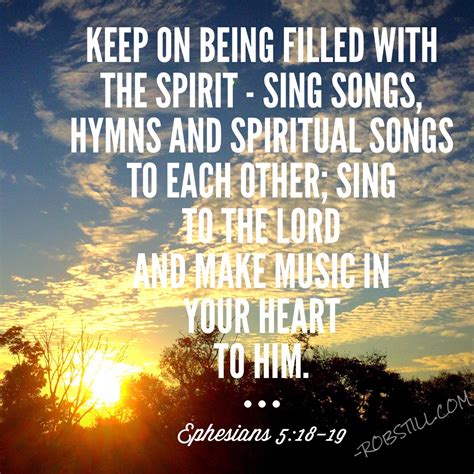
Singing as a Form of Prayer and Devotion
Many people seek a deeper prayer life, and singing can be a powerful way to connect with God. Most of my College Park friends long for a more robust prayer life. Yet surprisingly, not many of my friends incorporate singing as a form of prayer in their personal lives, their family life, and their community life. For example:
- Devotions: A portion of my devotion time in the morning is singing.
- Redeeming drive time: When I drive from my home in Brookside to College Park Church where I work, my Spotify playlist is on and I am singing. Especially on Sundays, this practice prepares my heart for worship. It is also amazing how less frustrated I get with slow traffic and careless drivers when I am singing.
Strengthening Relationships Through Song
Singing together can also strengthen bonds in marriage and family. My wife, Sarah, and I have been married for over forty years. Singing together has been a sustaining source in our marriage. We do not sing together daily, but a few times a week, we sing when we are driving together or before we go to bed. It smooths out the wrinkles in our relationship. It reminds us that we have more in common than in contrast.
Additionally, sharing songs with children and grandchildren can create lasting memories and spiritual foundations. My adult children have a bedrock of songs that we sang when they were growing up. In hindsight, I forced singing into their lives in a way that was not organic, and not healthy. So, now that we have grandchildren who are at our house regularly, I am building singing into their lives in a less structured way than I did with my own children. A couple of my grandchildren now ask me if we can sing whenever they come over.
Read also: The Power of Singing Bowls
The Biblical Mandate for Singing
Singing isn’t an option in Scripture. Let the word of Christ dwell in you richly, teaching and admonishing one another in all wisdom, singing psalms and hymns and spiritual songs, with thankfulness in your hearts to God. God’s people are more than just invited to sing; we are commanded to sing.
The Apostle Paul lays out this exhortation to let God’s Word dwell in us richly, and then, he tells us how to live out that command. The first, of course, is teaching. And, as we observed in the last point, singing is a command. Our singing is more than a warm-up for the sermon or a filler in the service. C.J. Mahaney calls church singing “Take Home Theology” because the best songs we sing together serve as a 3-minute, easily memorizable, deeply biblical summary of important truths from Scripture.
Singing as Spiritual Warfare
Chances are you didn’t connect singing and warfare together, but it’s a theme visible in Scripture. In Colossians 3, Paul is challenging the Colossians to literally put sin to death in their lives, to kill sin. And the more you think about this, it makes total sense: What posture must be more hated by the evil one than the posture of a believer who is singing?
It’s very hard to lie, be greedy or to look at something inappropriate when, you’re “singing and making melody to the Lord with your heart” (Ephesians 5:19). Singing strengthens you and helps you persevere in the face of trial. Often times, we think only of singing when we’re happy and times are good, but singing bringing strength for trial comes out in Acts 16.

Paul and Silas are unjustly imprisoned for the sake of the Gospel, and what do they do while they’re in prison? Sing! And this truth is confirmed in the lives of persecuted believers throughout history. …When we were in prison we sang almost every day because Christ was alive in us…they put chains on our hands and feet. They chained us to add to our grief. Our persecuted brothers are showing us the truth we see in Acts 16 with Paul and Silas.
Read also: Understanding anemia spiritually
Singing and Joy
Singing has such a unique way of bringing your heart, soul, mind, and strength together to focus entirely and completely on God. Psalms 59:16: “I will sing of your strength; I will sing aloud of your steadfast love in the morning. If you still don’t believe me, here’s a clincher from James 5:13: “Is anyone cheerful?
As you study Scripture on this point, you’ll notice that sometimes singing gives birth to joy and sometimes joy gives birth to singing. But persistently in Scripture, joy, and singing are bound together. If you struggle for joy…sing! If you are joyful…sing!
The Impact of Music on the Brain
Music profoundly influences our brains, creating a rich sensory and emotional experience. When listening to religious music, the brain’s reward centers are stimulated, releasing dopamine and other feel-good neurotransmitters. This neurochemical response can induce feelings of pleasure, comfort, and transcendence during worship.
Participating in group singing and music-making fosters a sense of unity and belonging among worshippers. When we listen to or participate in music, multiple areas of the brain are activated simultaneously. The auditory cortex processes the sounds, while the motor cortex is involved in keeping rhythm and moving to the music. The limbic system, which governs emotions, is also heavily engaged. Neuroimaging studies have shown that music stimulates dopamine release in the brain’s reward centers. This neurotransmitter is associated with feelings of pleasure and is likely responsible for the emotional “high” many people experience during worship music.
Neuroscientist Talks Music's Effects on the Brain
The Physical Benefits of Singing
Singing is often thought of as a fun activity, a hobby, or a way to express oneself. But did you know that singing can also be a powerful form of exercise for your heart, lungs, and even your brain? As Christians, we believe that our bodies are temples of the Holy Spirit (1 Corinthians 6:19-20), and taking care of our physical health is a way to honor God. One way to care for our hearts, literally and spiritually, is through singing.
Read also: Light Blue: Calmness and Healing
Heart Health
Singing exercises the heart, improving circulation and cardiovascular health. Increased Heart Rate: While we often associate heart health with activities like running or swimming, singing has cardiovascular benefits. According to research, singing can increase heart rates, similar to what happens in moderate physical exercise.
The act of singing, particularly when done with deep diaphragmatic breathing, requires more effort than casual talking. As you inhale deeply and exhale forcefully, you increase blood flow and circulation. A study published in the journal Frontiers in Psychology in 2020 found that group singing is associated with significant improvements in cardiovascular functioning.
It is thought that singing regularly could help reduce the risks of heart disease by boosting blood circulation, improving oxygenation of tissues, and reducing stress levels-factors that play a role in heart health. Studies also show that group singing, in particular, can improve heart rate variability, which is a measure of cardiovascular health.
Lung Health
Deep breathing while singing strengthens the respiratory system and increases lung capacity. Diaphragmatic Breathing: When we sing, we are forced to use deeper breathing techniques that engage the diaphragm, the muscle located just below your lungs. This form of breathing increases lung capacity and helps strengthen the respiratory muscles.
Over time, it can result in better overall lung function. A 2017 study published in the Journal of Voice showed that singing can help people with chronic obstructive pulmonary disease (COPD) by improving their breathing efficiency and increasing their overall quality of life. The research indicated that singing exercises the muscles of the respiratory system, enhancing both the strength and endurance of the diaphragm and intercostal muscles (the muscles between the ribs). Breathing deeply as we sing also gives us an opportunity to reflect on God’s breath of life, which He breathed into us.
Mental Health
When we engage in activities that promote pleasure and happiness, our bodies release chemicals called endorphins. Endorphins are sometimes called the brain’s “feel-good” chemicals because they act as natural painkillers and mood boosters.
A 2013 study published in the Journal of Music Therapy found that people who sang for just 30 minutes reported a significant increase in mood and a decrease in perceived stress. The reason behind this lies in the brain’s response to singing, which activates the reward centers in the brain. Moreover, singing releases oxytocin, a hormone linked to bonding and feelings of trust. This is one reason why group singing, such as in choirs, can foster a sense of community and social connection.
Singing not only makes you feel good in the moment but can also have long-term benefits for mental health. A 2016 study from the University of East Anglia found that choir singers had lower cortisol levels and reported reduced feelings of anxiety and depression. God invites us to bring our anxieties to Him, knowing that He cares for us (1 Peter 5:7). Singing can be a powerful way to release stress and bring our worries before the Lord in a tangible way.
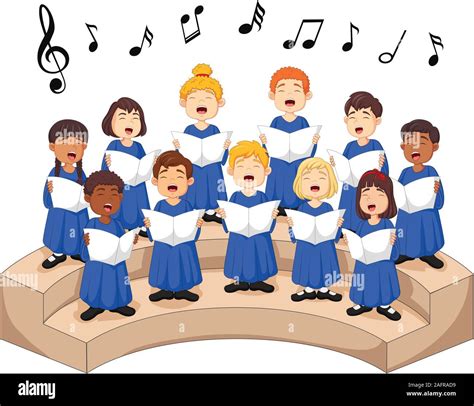
Congregational Singing: A Unified Expression of Faith
When the people of God gather for corporate worship, they have not come to watch a concert, quietly sit and listen to a band, or simply meditate to music and words together. This is not to say that listening to special music or attending a concert cannot edify, should not be a part of a worship service, or not be worshipful.
Those are helpful but there are a multitude of commands, exhortations, and encouragements to sing and praise the Lord in vocal participation as a congregation. Bob Kauflin says that the BIble has over four hundred indirect references to singing and at least fifty direct commands to sing.
Psalm 149:1, “Praise the Lord! Sing a new song to the Lord, And His praise in the congregation of the godly ones.”Psalm 22:25, “From You comes my praise in the great assembly; I shall pay my vows before those who fear Him.”Psalm 57:9, “I will praise You, Lord, among the peoples; I will sing praises to You among the nations.”Psalm 111:1, “Praise the Lord!
True worship supernaturally emanates from the heart (v. 19) of a Spirit-filled life, which connects back to a life of walking in obedience to Christ (v. 18). In other words, v. 19 is a result of v. “The Spirit-filled life produces music. Whether he has a good voice or cannot carry a tune, the Spirit-filled Christian is a singing Christian.
The context of these verses is important. These letters are addressed to congregations and the command is for all believers - not just those who have musical gifts or specific individuals such as soloists. To say that congregational singing is never commanded to congregations would be to overlook these passages and our personal responsibility of ministering to one another in the Biblical context of the gathered congregation.
The Importance of Corporate Singing in Worship
It’s important that we have reasons for why we do what we do in the church, especially in corporate worship. At Providence we want to prioritize God’s Word. We want the Scriptures to be the focus of every worship service, and not only does that include the sermon, but that extends to the prayers that we pray, and the songs that we sing.
Paul encouraged the singing of “psalms, hymns, and spiritual songs” in order to praise the living God and to build one another up as brothers and sisters in the Lord (Eph. 5:19; Col. 3:16). James also encourages those who are suffering to pray and those who are cheerful to sing praises.
Here are five reasons why psalms and hymns are beneficial for God’s people:
- Biblical Faithfulness: Because we are both reflecting upon and proclaiming the truths of the Bible when we sing in worship, it’s important that the lyrics we’re singing are heavily rooted in and accurately reflect God’s Word.
- Reverence: The same reverence and honor that Scripture gives God should be the same reverence and honor we give Him in our worship. This means that we should also strive for musical excellence. The words that we sing should be reverent, as well as the manner in which we sing them.
- Corporate Singing: Both Psalms and hymns are meant to be sung. The word ‘sing’ occurs over sixty times in the Psalms, and the best hymns were written with the human voice in mind. Singing has always been a primary element of Christian worship!
- Heritage: When you are singing Psalms and hymns in worship, you're singing the same timeless truths about God that His people have sung for hundreds and thousands of years. And yet, they continue to be every bit as relevant today as they were then!
- Diversity: Singing Psalms and hymns tap into the history of the church and the diverse origins and backgrounds of believers from all over the world.
Incorporating Singing into Daily Life
Singing provides a holistic benefit to both body and soul. When we sing, we engage in worship, express our praise and care for our physical health-all at the same time. Whether you’re singing hymns in church, praising God in the car, or lifting your voice in song with friends, remember that you’re not only honoring God but also taking care of your body in the process.
Next time you sing, remember-you’re not just making music; it’s a powerful exercise for your body, mind, and spirit. So, let the music flow and enjoy the incredible benefits that come with every note you sing!