Given the global concern about mental health, different approaches are being explored in its approach and treatment. In this line, the care of the spiritual dimension has been shown in many studies to have a significantly positive relationship.
Nowadays, mental health is considered an integral and vital component of the emotional, psychological, spiritual, and social well-being of human beings. Spirituality, a quality inherent to the human being, is part of the person in all areas of life and at any vital moment through which he or she is passing.
In mental health units, the comprehensive approach that involves comprehensive care considers the spiritual dimension as an aspect of care that contributes to coping with mental health problems. In clinical settings, comprehensive care of the person is understood as a construct that considers physical, psychological, social, and spiritual aspects.
Although research in the field of spirituality and health has grown substantially in recent decades, there are still few health professionals who address this issue and include it in their clinical practice.
The Role of Spirituality in Mental Health
Faith and spirituality have long been integral to human experience, but their relationship with mental health has only recently gained scientific attention. Multiple studies have established meaningful connections between faith practices and improved mental health outcomes. According to Papaleontiou-Louca (2021), religion and spirituality serve as important pathways to meaning and purpose in life.
Read also: Understanding anemia spiritually
How Spirituality Can Transform Your Mental Health
Here are key aspects of how faith and spirituality contribute to mental well-being:
- Meaning-Making and Purpose: Faith systems help individuals interpret and make meaning of difficult life events. This is particularly valuable during crises when traditional frameworks for understanding life may be challenged.
- Social Support Networks: Religious communities create natural support systems that reduce isolation.
- Coping Mechanisms: Faith offers structured practices that help manage stress. Following Hurricane Katrina, faith promoted inner peace, self-esteem, perseverance, and prosocial behavior-all factors contributing to individual and community resilience.
- Hope and Optimism: Religious beliefs often encourage optimistic worldviews that offer meaning and purpose.
Spirituality can help us not just weather times of crisis but even emerge stronger than before. A 2024 study on frontline healthcare workers in Poland during the pandemic found that higher levels of spirituality were connected to positive psychological change as the result of struggling with life challenges, known as post-traumatic growth.
According to Andrew Newberg, a neuroscientist at Thomas Jefferson University, the focused attention which occurs during spiritual practices like meditation and prayer can increase frontal lobe function, which governs executive control, and down-regulates the limbic system, which is linked to fear and the fight-or-flight response.
“When it comes to broader aspects of health, the improvements in brain function associated with spiritual practices that lead to reduced stress and anxiety ultimately can lead to benefits in physical health as well,” Newberg says.
A systematic review by Coelho-Júnior et al. (2022), analyzing data from 102 studies involving nearly 79,000 participants, found that high religious/spiritual engagement was negatively associated with anxiety and depressive symptoms.
Read also: Light Blue: Calmness and Healing
Spirituality can help maintain or bolster mental health in the following ways:
- Creating a sense of purpose and meaning that helps to deal with challenging life situations.
- Serving as the base of a supportive community.
- Outlining specific practices to help you work on your relationship with yourself and others.
- Providing a foundation on which to build purpose, hope, and self-esteem.
- Giving you tools to self-advocate and ask for what you need.
Research on Spirituality and Mental Health
The target of this study was to investigate the views, opinions and behaviors of mental health professionals in Spain and Portugal in relation to the care and attention to the spiritual needs of patients and their families in their clinical practice. HOSJD centers around the world have the same comprehensive care model that considers the spiritual dimension as part of restoring health.
The results show a lack of consensus among participants on the definition of spiritual health, presenting diverse perspectives related to quality of life, values, meaning of life, and sense of connectedness. A relevant fact is that all the professionals who took part in the study defined themselves as religious and Catholic, which makes us consider that those people who are believers reveal a more accentuated sensitivity to the care of the spiritual dimension in clinical practice.
The professionals interviewed showed that there is a significant correlation between spiritual care and coping with illness, leading to an improvement in quality of life. Regarding quality of life, it was observed that patients receiving treatment that included a spiritual approach had better health outcomes.
The data obtained in our research indicate that the way in which the professional takes care of his or her spiritual dimension influences the willingness to attend to the spiritual needs of patients; professionals who are more sensitive to these issues are more likely to attend to them.
Read also: Explained: Spiritual Blessings
On this point, the results we found show that the majority of professionals support attention to the spiritual dimension in their day-to-day work, especially if they experience spiritual suffering, although few do so at present.
The review of participants’ statements clearly indicates that the presence of counselors in healthcare settings positively influences mental health professionals considering the spiritual dimension in their daily practice. The presence of trained and qualified professionals in spiritual care promotes a continuous awareness of these issues, highlighting the intangible aspects of human existence that are also affected by illness.
Specifically in mental health, the loss of meaning and purpose, the breakdown of relationships, and the disintegration of personal values impact individuals’ sense of well-being and quality of life, leading to increased distress.
Here is a summary of the positive mental health outcomes associated with spiritual engagement:
- Depression: People with high spirituality, intrinsic religiosity, and religious affiliation consistently show a lower prevalence of depressive symptoms.
- Suicide risk: Religious engagement shows strong protective effects against suicidal thoughts and behaviors.
- Grief and bereavement: Faith frameworks provide resources for meaning-making during loss.
- Post-traumatic stress: Religious beliefs help integrate traumatic experiences into coherent narratives.
- Loneliness: Religious community participation correlates with increased social support and connection.
Barriers to Addressing Spiritual Needs
There is a growing body of research in the field of spirituality and its care that supports improvement in the clinical approach, but there is still limited attention paid to the specific training of professionals, probably due to the biomedical model rooted in our healthcare system.
Among the main barriers to addressing the spiritual dimension were lack of time, insufficient training, the feeling that it is a private matter, difficulty in identifying spiritual needs, patient rejection, and fear of losing control of the situation. In general, participants mentioned lack of time as one of the main constraints to aiding spiritual needs.
A relevant fact pointed out by the participants is the need for adequate specific training in the spiritual approach to clinical practice, as they consider it a clear limitation to perform it in a professional way in mental health units. The incorporation of specific training courses in addressing spiritual needs helps professionals to be better prepared when providing spiritual care.
Academic training that includes spiritual care in a regulated and appropriate way is essential, as it has a positive influence on the relationship between professional and patient, generating an atmosphere of trust in clinical decision-making.
How to Practice Spirituality
The ways in which spirituality manifests among the world’s many cultures are nearly endless. Spiritual practices may vary according to several aspects of a person’s life and surroundings, their religious upbringing or choices, their geographical location, their culture, and the way their mind works.
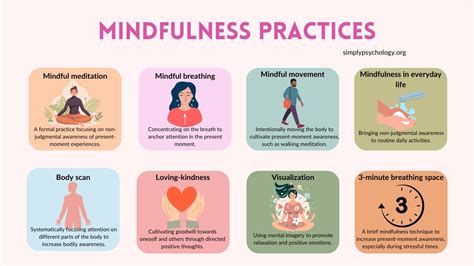
Spirituality can take countless forms. However, some of the most common approaches to spirituality include:
- Mindfulness practices, such as meditation, prayer, reflection, or yoga
- Reading rituals, which may include holy texts, self-actualization books, or literature
- Time spent with art, music, or other forms of media that increase your spiritual connection to the world and other people
- Time in nature, such as hiking, backpacking, kayaking, or hunting
- Religious services or worship, complete with rituals and ceremonies
- Creative practices of your own, such as painting or sculpting, writing, or welding
- Journaling or otherwise recording your thoughts
Spiritual Struggles
Though spirituality can benefit one’s mental well-being, spiritual struggles can worsen or even cause mental health distress, especially among those with a psychiatric disorder.
Spiritual struggles can involve perceptions of gods or evil forces, personal struggles linked to beliefs, morals, and life’s purpose, and conflicts with others over faith or spirituality.
These kinds of struggles often predict substantially greater depression and even suicidality. Understanding and addressing spiritual struggles is important in mental health care to help prevent and manage these challenges.
Exploring beliefs, seeking guidance from trusted mentors or religious leaders, engaging in practices like meditation or journaling, and connecting with supportive communities can help navigate and overcome spiritual struggles.
Spiritual Psychology: An Integrated Approach
Spiritual psychology (also known as transpersonal psychology) is a discipline that focuses on the understanding of the human psyche and its relationship with the spiritual dimension. Spiritual psychologists believe in holistic approaches to healing, which includes the integration of mind, body and spirit into one's daily life.
This form of counseling builds on the traditional methods and theories of psychology while addressing our eternal yearning for meaning, purpose and connection through spirituality.
Spiritual psychology recognizes the role of transcendent experiences in effective mental health care. Mental health’s relationship with faith and purpose directs opportunities for providing care.
By learning to live in harmony with these principles, we can begin to heal our own wounds and those around us-creating more compassion for ourselves and for others.
Spiritual psychologists are interested in the spiritual components of a person's life, including beliefs, faiths and practices that are important to the client. Practitioners of spiritual psychology may also be interested in how a person's religious or spiritual beliefs affect their relationships and worldviews. They may use psychological principles to help clients explore their spiritual beliefs, connect with their emotions, and improve their physical and mental wellbeing.
tags: #spiritual #and #psychological