The evil eye, also known as “nazar” in Turkish, is a concept deeply embedded in Turkish culture. It is believed to be a curse, a type of negative energy, or a form of dark spiritual power that is brought on by jealousy or envy. It is believed to cause harm and misfortune to a person or their possessions.
For those drawn to ancient traditions and spiritual amulets, understanding the Turkish evil eye offers a fascinating glimpse into a rich cultural tapestry. This guide will explore the profound significance, historical roots, and everyday use of the evil eye in Turkish culture, helping you appreciate its enduring power and relevance.
Is wearing the Turkish blue eye symbol shirk? - assim al hakeem
The symbolism of the Evil Eye has been omnipresent in many Eastern and Western cultures for over 3000 years.
A rich history precedes this symbol, and in order to really understand what it can do for us, it is necessary to take a walk back in time.
Origins and History
The word “nazar” in Turkish comes from the Arabic word نَظَر (naẓar), but the origin of the evil eye belief system is somewhat unclear. Ancient texts that reference the evil eye have been discovered dating back to ancient Greek and Roman times, and even as early as the Ugaritic civilization of the Late Bronze Age. These ancient cultures saw the evil eye as a powerful and dangerous force that could bring harm to people, animals, and even crops.
Read also: Evil Eye Beliefs and Practices
Far from being just a decorative symbol, the evil eye has been around for over 5,000 years, originating in Mesopotamia.
Archaeologists uncovered the earliest eye amulets at Tell Brak, located in modern-day Syria. These artefacts, made from gypsum alabaster and featuring carved eyes, are believed to date back to 3,300 BCE. Different civilisations incorporated the motif into their own traditions.
In ancient Greece, it was known as baskania and appeared on household items, livestock tokens, and charms for children. The Romans later embraced the concept, incorporating the "oculus" design into jewellery and decorative arts.
Already in ancient Egypt, the eye of Horus was painted on tombs and mummies to bring good luck to the souls of the dead on their journey to the afterlife. The Egyptians were obsessed with this eye, they even put their makeup on the eyes with Kohl to prevent an evil spirit from taking possession of their body.
The Turks were shamanist nomads who traveled through Central Asia before arriving in what is now called Anatolia. This may be the reason why the Nazar Boncuk is the synthesis made by the Turks of the ancestral traditions of the countries they crossed to represent the amulet protecting them from the evil eye.
Read also: Unveiling the Virgo Pandora Charm
The blue color probably comes from the influence of the Byzantines in which blue, the color of heaven and water, was sacred. It symbolized the infinite, the divine, the spiritual, and also evoked peace, calm, voluptuousness.
But it is also the color that distinguished the Sebastocrates, or Byzantine Emperor, from other citizens.
Understanding the Nazar Boncuğu
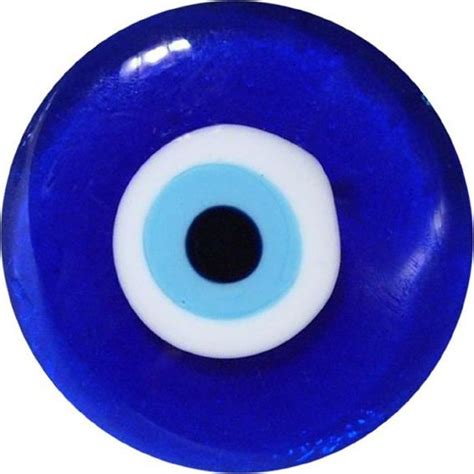
This object, handcrafted from glass paste, is called the “Nazar Boncuk”. The word “Nazar” comes from the Arabic language, and it means “look”; “Boncuk” means “pearl”, so literally “pearl of the look”. The Nazar Boncuk is an ancient talisman that is present throughout the Middle East. It can be seen in Armenia, Iran, and Greece, but it is in Turkey that it is most widespread.
The Turkish nazar boncuğu, or evil eye bead, remains one of the most enduring protective symbols. Its deep blue colour is tied to the sky deity Tengri, a connection made by Turkic tribes that helped establish its protective qualities. Today, nazar boncuğu are commonly pinned to children's clothing or displayed in homes, vehicles, and businesses to protect against harmful gazes.
Upon landing in Istanbul, or even before arrival, one of the first things to catch your eyes is an evil eye bead. Actually, not only in Turkey, the Turkish evil eye can be seen on bracelets, necklaces, and other forms of jewelry almost across the entire globe, especially among Jewish, Muslim, and Christian cultures. For example, if you head to Cappadocia, it is more of a touristy thing, but you’ll find these symbols even hanging from trees.
Read also: Types of Spiritual Bracelets
The Nazar Boncuk is everywhere, hanging on doors, in offices, hanging on a pendant, on mirrors for taxis or buses, embedded in the walls of buildings or on the subway. It’s also a very popular gift, offered to bring good fortune.
The Nazar Boncuk symbolizes the jealous and envious look of others, which, according to the popular belief, would have the power to cause various misfortunes to a person or his property.
The evil eye in Turkey is called Nazar Boncuk, representing the envious looks of people that can bring disgrace to your property or family.
The core turkish evil eye meaning revolves around warding off the "evil eye" - a look or stare believed to bring bad luck, injury, or general misfortune to the person it's directed at. This misfortune is often thought to stem from envy or ill-will, whether conscious or unconscious.
Key Protective Beliefs of the Turkish Evil Eye:
- Shields against jealousy and malicious gazes.
- Absorbs and neutralizes negative energy.
- Brings good luck and positive fortune.
- Acts as a constant, watchful guardian.
The evil eye acts as a kind of cosmic mirror, reflecting harmful intent back to its source and neutralising curses. Different cultures have their own versions, such as Turkey's nazar boncuk, Greece's mati, and the Middle Eastern hamsa.
The Evil Eye in Everyday Turkish Life
In Turkey, the evil eye symbol is ubiquitous. It’s not confined to tourist shops; it’s an active part of daily life and culture.
- Homes and Businesses: Large Nazar Boncuğu are often hung above doorways of homes, shops, and offices to protect the inhabitants and premises.
- Vehicles: Smaller versions are frequently displayed in cars, taxis, and buses to ensure safe travels.
- Newborns: It's a very common tradition to pin a small evil eye bead onto a newborn baby’s clothing to protect them from harm and admiring, yet potentially harmful, gazes.
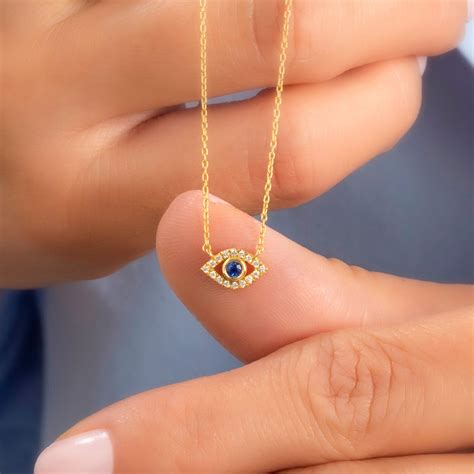
- Jewelry: Wearing turkish evil eye necklaces, bracelets, or earrings is incredibly popular, keeping the protection close to the body.
This widespread use underscores its deep cultural embedding, reflecting a blend of ancient superstition, tradition, and a desire for a tangible form of reassurance in an unpredictable world.
Diverse Expressions of Protection: Forms of the Turkish Evil Eye
While the classic blue and white glass bead is the most recognizable, the Turkish evil eye motif is adapted into a vast array of objects. This adaptability showcases its deep integration into all facets of life and aesthetics.
- Jewelry: From delicate turkish evil eye bracelets and necklaces to statement earrings and rings. Materials range from simple glass to precious metals and gemstones.
- Home Decor: Wall hangings, ceramics, textiles, wind chimes, and even doorknobs often feature the Nazar.
- Personal Accessories: Keychains, phone charms, and handbag ornaments carry the symbol for on-the-go protection.
This variety ensures that anyone can find a way to incorporate this symbol of protection into their lives in a way that resonates with their personal style and beliefs.
Other Protective Measures
In Turkish culture, it is believed that when someone compliments you or admires your possessions, it can inadvertently attract the evil eye, bringing negative energy or a curse that can harm you or your possessions.
“Allah korusun” is another common phrase that is used as a form of protection against the evil eye. It literally means “may God protect” This phrase is commonly written on signs to protect buildings or on bumper stickers to protect cars. This phrase is used as a way of protecting children from the evil eye. Since it is said for this purpose, most people say the phrase without reflecting on what it means.
Another common way to protect children from the evil eye is to use words such as “çirkin” (ugly) or “cadı” (witch) as indirect ways of complimenting a child’s appearance. Although these words would normally be very offensive, the facial expression and tone of voice of the speaker show that they are meant as a compliment, implying that the opposite is actually true.
In Turkey, people with blue eyes are believed to be especially susceptible to the effects of the evil eye, both in terms of suffering from misfortune themselves and inadvertently attracting the evil eye by looking at them with their blue eyes.
Another object commonly used in Turkish culture to ward off the evil eye is a bright red ribbon. Red ribbons are often tied around the wrists of small children or around the waists of a bride on her wedding day. The ribbons are also often attached to nazar boncuğu beads as well as gold coins, jewelry, and other valuable possessions.
Another amulet that is often associated with it is the Khamsa, which is very common in North Africa and the Middle East. It’s an open hand with five fingers and an eye in the middle.
The word hamsa, also spelled khamsa, means "five" referring to the fingers of the hand. In the Levantine Christian culture is called the Hand of Mary, in some Muslim and Balkan cultures, the Hand of Fatima.
Many of the traditional patterns in Turkish rugs at one point were used as protection from the evil eye. However, many people today use these designs for their aesthetic appeal and not for protection from the evil eye.
One common motif traditionally associated with the evil eye is the diamond shape, which often has additional diamonds nested inside it. Other symbols that have been used in rugs to ward off the evil eye include the çengel (hook), muska (triangular amulet shape), and pıtrak (burdock).
Navigating Beliefs: The Evil Eye and Religion in Modern Turkey
One common question is about the compatibility of the evil eye tradition with religion, particularly Islam, which is the predominant faith in Turkey. The perspective on turkish evil eye is it haram (forbidden) varies. Orthodox Islamic teaching generally discourages reliance on amulets or talismans, emphasizing trust in God alone for protection. Some religious scholars consider belief in the evil eye's power as a form of shirk (associating partners with God).
However, for many Turks, the use of the Nazar Boncuğu is more of a cultural practice or deeply ingrained superstition rather than a strictly religious one. It coexists with religious faith, often seen as a traditional way to guard against a commonly acknowledged human phenomenon - envy and its potential negative consequences. Many see it as a symbolic gesture or a folk custom passed down through generations, rather than a contradiction to their faith.
Ultimately, the acceptance and use of the evil eye in Turkey today is a nuanced blend of ancient beliefs, cultural identity, and personal interpretation. It remains a vibrant and cherished part of Turkish heritage, offering a tangible sense of comfort and protection to many.