Throughout history, few figures from mythology have evoked as much fascination as the Valkyries-mysterious warrior maidens who shaped the fate of gods and men. In Norse mythology, Valkyries were powerful female spirits who served Odin, the Allfather and chief of the gods. The Viking Valkyrie was both awe-inspiring and feared-a bridge between life and death, fate and glory. Valkyries were distinct in their warrior-like nature and divine duty. In Norse Valkyrie mythology, these figures weren’t simply passive escorts to the afterlife.
They embodied fate (or "wyrd") and were seen as extensions of Odin’s will. The origins of the Valkyries are deeply rooted in Norse mythology, where they serve as divine shield-maidens closely connected to Odin, the chief of the gods. Some stories suggest that certain Valkyries were daughters of Odin, blending familial ties with divine duty. Others were seen simply as celestial beings chosen for their unwavering loyalty and strength. In some tales, certain Valkyries are described as Odin's daughters, though not all share this divine lineage.
The Role and Powers of the Valkyries
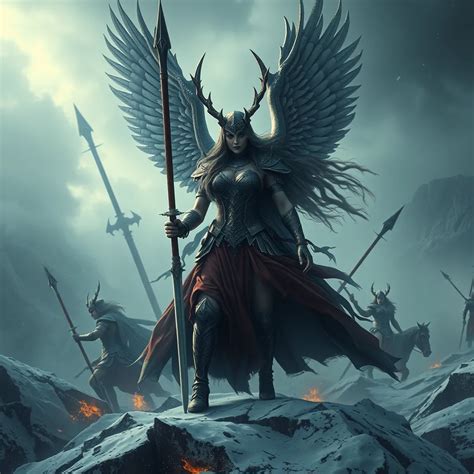
The Valkyries in Norse mythology wielded extraordinary powers granted by the gods. Perhaps the most defining power of a Valkyrie was the ability to decide who would live and who would die in battle. Acting on Odin’s command, they guided the fates of warriors, selecting the bravest to ascend to Valhalla. As warrior spirits, Valkyries possessed unmatched combat abilities. Clad in shining armour and armed with spears or swords, they could ride through battle untouched by mortal weapons.
Though they rarely fought alongside humans, their presence alone could turn the tide of war. Valkyries could move freely between the human world (Midgard) and the divine realms, particularly Asgard and Valhalla. This ability allowed them to escort fallen heroes across spiritual planes. Some myths suggest that Valkyries had prophetic insight, able to foresee the outcomes of battles and the fates of men. They were often associated with weaving the threads of destiny, much like the Norns, the Norse fates.
Valkyrie symbolism is deeply tied to themes of fate, war, and the afterlife. Valkyries hold a special place in Norse mythology because they embody the core values of courage, honour, and the acceptance of fate. Their presence signified more than just the transition from life to death; it was a mark of distinction for warriors who had proven themselves worthy in battle.
Read also: Symbols of Strength and Love: A detailed analysis
What makes the Valkyrie truly unique is the duality they represent. They are depicted as graceful and otherworldly, yet they command immense power and authority over life and death.
The Valkyrie meaning comes from the Old Norse word valkyrja, meaning "chooser of the slain." In Norse mythology, they selected brave warriors who died in battle and guided them to Valhalla.

Valkyries in Myths and Legends
The tales of the Valkyries in Norse mythology explore themes of fate, love, loyalty, and divine punishment. The Valkyrie mythology is filled with vivid imagery of these celestial shield-maidens appearing amidst the chaos of battle, clad in gleaming armour. They guided fallen warriors and actively shaped the outcome of conflicts, deciding who would fall and who would claim victory. One of the most famous myths centres on Brynhildr, a Valkyrie who was punished by Odin for defying his command in choosing the wrong warrior to save.
As a result, she was cast from her divine role and forced into a deep, enchanted sleep until awakened by a mortal hero. Many legends speak of Valkyries falling in love with mortal men-warriors they once guided or encountered on Earth. These romances were often bittersweet, as the Valkyries’ divine duties and immortal nature clashed with human lives. Some Valkyries, like Brynhildr, were cursed by Odin for disobedience, often forced to live as mortals or placed under enchantments. These tales highlight the tension between divine duty and personal choice.
Some myths suggest Valkyries who loved mortal men could have children, blending human and divine traits. These offspring were often seen as exceptional in strength or courage. While Brynhildr is one of the most famous, other Valkyries like Sigrún and Göndul were famed for their strength and wisdom. Like many mythical beings, Valkyries could be bound by love or punished by the gods, as seen in Brynhildr's tale. Freya, the goddess of love, beauty, and war, wasn’t a Valkyrie, but she did share a similar role.
Read also: Protection with Archangel Michael
Valkyries and Viking Culture
But are Valkyries Vikings? Not exactly. While they are closely associated with Viking culture and ideals, Valkyries were divine or semi-divine beings, not human warriors. Although Valkyries were not worshipped like the gods of Asgard, they were deeply respected and honoured within Norse culture. Warriors viewed them as noble figures who could deliver them to eternal glory in Valhalla. Their legacy is preserved through sagas, poetry, and folklore that continue to echo across Scandinavia and beyond.
Valkyries in Modern Culture
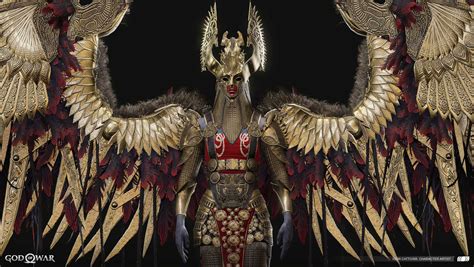
One of the most iconic representations is found in Wagner’s Ride of the Valkyries, a powerful piece of music that evokes the drama and grandeur associated with these legendary figures. Valkyries also appear frequently in video games, including God of War, where they are depicted as formidable beings guarding ancient secrets.
Metropolitan Opera Orchestra – Wagner: Ride of the Valkyries - Ring (Official Video)
Key Facts About Valkyries
| Aspect | Description |
|---|---|
| Origin | Divine shield-maidens in Norse mythology |
| Role | Served Odin, chose the slain, guided warriors to Valhalla |
| Powers | Control over life and death, supernatural combat skills, ability to traverse realms, prophecy |
| Symbolism | Fate, war, afterlife, courage, honour |
| Famous Valkyries | Brynhildr, Sigrún, Göndul |
Additional Information
Valkyries are traditionally female, depicted as powerful maidens who served Odin. There are no references to male Valkyries in Norse myths, as they embodied ideals of divine femininity and fate. There is no mention of Valkyries in the Bible, as they are exclusive to Norse mythology. The Bible and Norse legends come from entirely different traditions with no shared mythological figures. Valkyries were described as stunningly beautiful, symbolising both divine grace and power. Their beauty represented more than appearance-it reflected their mystical nature.
If Valkyries have sparked your curiosity about Norse legends and forest spirits, there’s so much more to explore. You can deepen your understanding with the Norse Mythology Diploma Course from Centre of Excellence.
Read also: An Explanation of Karuna Reiki Symbols