The Winter Solstice, marking the shortest day and longest night of the year, is a momentous event that carries profound cultural, spiritual, and astronomical significance across diverse civilizations. It falls between December 20 and 23 in the Northern Hemisphere, and on June 20 or 21 in the Southern Hemisphere.
Animation showing how the Earth's tilt causes seasons and the Winter Solstice.
An ancient festival, the Solstice has been celebrated for centuries, by many different cultures. Throughout history, societies across the world have held festivals and ceremonies marking winter solstice, the day of the “sun’s rebirth." Most often, winter solstice celebrations honored the symbolism of fire and light, along with life, death, the rising sun, and the moon.
The Winter Solstice has captivated civilizations for millennia, serving as a focal point for various cultural practices and religious rituals. Ancient societies meticulously observed the movements of the sun, recognizing the solstice’s crucial role in the cycle of seasons.
Here we'll delve into some of the loveliest recipes, rituals and gift ideas for celebrating the Winter Solstice. In this bite-sized guide to the Solstice we’ll start with a sprinkling of Solstice mythology, then we’ll get straight into some of the loveliest recipes, rituals and gift ideas.
Read also: Zodiac Traits in Winter
Historical Significance
One of the earliest recorded celebrations of the this natural event traces back to the Neolithic period, with structures like Newgrange in Ireland, designed to align with the solstice sunrise. Ancient Neolithic monuments such as Stonehenge in the UK and Newgrange in Ireland are believed to have been built specifically to frame the sun as it rises and sets on the Solstices which gives an idea of how old this festival is.
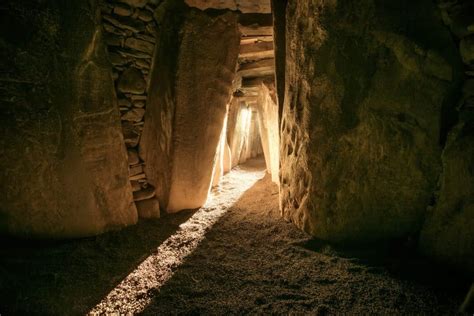
Newgrange in Ireland, designed to align with the solstice sunrise.
For the Celts, the Solstice marked the festival of Yule, a time of feasting and merriment. Yule logs were burned, symbolizing the return of the sun and the promise of longer days ahead. In ancient Rome, the Winter Solstice was commemorated with Saturnalia, a week-long festival honoring the god Saturn.
Pagan traditions in various parts of Europe celebrated the solstice through gatherings like the Germanic Yuletide, where the Wild Hunt was believed to roam the skies. Indigenous cultures, such as the Inuit and various Native American tribes, had ceremonies and rituals tied to the solstice. As time progressed, the Winter Solstice continued to influence customs that evolved into modern-day festivities.
With the advent of Christianity, many of these ancient Winter Solstice customs were absorbed into the modern celebration of Christmas. And ‘Christmas’ is the name most of us know these Midwinter celebrations by today. But it’s interesting to see just how many of the rituals we observe at this time of year have their roots in early pagan celebrations.
Read also: Understanding anemia spiritually
Cross-Cultural Midwinter Traditions
Across cultures and civilizations, this celestial event has been revered, commemorated, and integrated into traditions that continue to resonate today. Across the globe, diverse cultures have developed unique rituals and customs to mark the Winter Solstice.
- Yule (Northern Europe): Celebrated by ancient Germanic and Norse cultures, Yule honors the rebirth of the sun. For the Celts, the Solstice marked the festival of Yule, a time of feasting and merriment. Yule logs were burned, symbolizing the return of the sun and the promise of longer days ahead.
- Dongzhi Festival (China & East Asia): Dongzhi marks the return of longer days and the balancing of yin and yang. It is a time for family to get together and celebrate the year they have had. Based on the traditional Chinese celestial calendar, the holiday generally falls between the 21st and 23rd of December. It is thought to have started as an end-of-harvest festival, with workers returning from the fields and enjoying the fruits of their labors with family.
- Soyal (Hopi Nation, North America): Soyal is a sacred ceremony welcoming the return of the sun. For the Hopi people of northern Arizona, Soyal welcomes the kachinas, protective spirits who bring blessings for the coming year. Ceremonies include prayers, purification, crafting prayer sticks, and dancing.
- Saturnalia (Ancient Rome): The ancient Roman festival of Saturnalia is perhaps the most closely linked with the modern celebration of Christmas. This festival happened around the time of the winter solstice and celebrated the end of the planting season. There were games and feasts and gift-giving for several days, and social order was inverted-slaves did not work and were briefly treated as equals.
- Yalda (Persia): The Persian festival Yalda, or Shab-e Yalda is a celebration of the winter solstice in Iran that started in ancient times. It marks the last day of the Persian month of Azar. Yalda is viewed traditionally as the victory of light over dark, and the birthday of the sun god Mithra. Families celebrate together with special foods like nuts and pomegranates and some stay awake all night long to welcome the morning sun.
- Inti Raymi (Peru): This solstice celebration comes in June rather than December. But for Peru it is a winter solstice, and this Incan celebration is in honor of the Sun god. Originally celebrated by the Inca before the arrival of Spanish conquistadors, the festivities included feasts and sacrifices, of animals or possibly even children. The Spaniards banned the holiday, but it was revived (with mock sacrifices instead of real ones) in the 20th century and is still celebrated today.
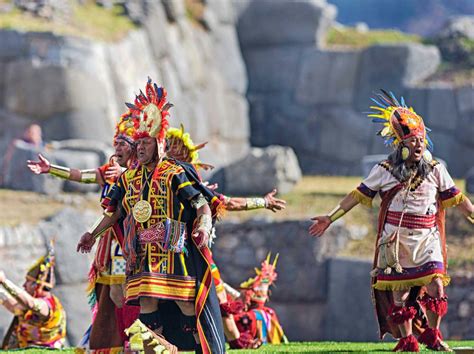
The Incan celebration Inti Raymi, in honor of the Sun god.
Celebrating the Solstice Today
Contemporary pagan and communities observe the Winter Solstice as Yule, emphasizing themes of rebirth, renewal, and the return of light. In our modern, fast-paced world, the Winter Solstice offers an opportunity for reflection. It invites us to pause and reconnect with nature’s rhythms, to appreciate the beauty of seasonal changes, and to celebrate the interconnectedness of all life on Earth.
The winter solstice is a reminder to honor our connection to the natural world. It is a way we can celebrate the change in seasons without traditional holidays, gifts, or decorations. Create something handmade that honors the sun or the natural world, such as a wreath from what you have around your house or backyard. Paint or draw the sun. Grab an instrument you haven’t played in a long time and write a song; then share it with loved ones. However, you chose to bring rituals and new traditions into your life, make time to appreciate the natural world.
Here are a few ideas of how to mark the day and fill your home with a little Solstice magic:
Read also: Light Blue: Calmness and Healing
- On the longest, darkest night of the year, it’s traditional to light a candle at sunset then leave some kind of (safe) light burning overnight until the sun rises on Solstice dawn.
- Continue a Midwinter trend started by the Ancient Romans who used evergreens to decorate their temples and homes during their Solstice celebrations.
- Ice lanterns are beautiful while they last, then they melt away to nothing afterwards - the perfect Christmas decoration. You can also make ice decorations to hang on an outside tree if the weather is cold enough.
- Continue a Midwinter ritual started by the Vikings to encourage the Sun to return and bring in a ceremonial log to light during the Midwinter festivities. Or you could eat a chocolate version instead.
- A symbol of midwinter magic since pre-Christian times, mistletoe is an ancient plant that’s linked to mystery and magic at this time of year.
- Watch a Solstice Dawn Livestream from Stonehenge, or watch the sun rise where you are.
- Consider practicing a pagan yule candle tradition (a tradition with European roots). Create an altar with items that bring you joy and peace, and surround it with candles.
- Wake up early on the day of the winter solstice to watch the sunrise. Close your eyes, and feel the sun’s warmth on your face. Observe how the sun lights up the world around you. Bring a journal and write down any thoughts that come to mind.
- Create a traditional winter feast with warming foods to eat on the night of December 21. Have fun creating a meal that warms and nourishes the body.
Solstice Baking and Recipes
Simple Folk Traditions to Make Winter Magical ❄️ Winter Solstice & Yule Celebrations
From warming winter solstice cakes, to golden sun breads, Solstice baking is all about remembering the sun in the middle of winter, so recipes often include warming spices and sunshine citrus flavors.
Here are a selection of the best recipes for you to try. Some are based on ancient traditions, such as the Yule log, while others are newer interpretations. All are delicious.
- Sun Bread: A bright and warming circle of bread to welcome back the sun.
- Winter Solstice Cake: This recipe sounds delicious and looks beautiful with its coconut snow topping and tiny rosemary ‘trees’.
- Yuletide Wishing biscuits: A simple spiced biscuit recipe with a sunshiny citrus twist.
- Snowflake Solstice Shortbread: Traditional Scottish shortbread baked in a circular tin is thought to be linked to the ancient Scandinavian tradition of Yule Cakes that symbolized the sun.
- Chocolate Yule log: Burning a special log indoors throughout the Midwinter festivities is an old Scandinavian Solstice tradition that somehow changed over time into cooking and eating a chocolate version instead.
Gift Ideas
Gifts have been exchanged around the Winter Solstice since the time of the Ancient Romans. These days present giving can be a pretty stressful element of the holidays. If you want to simplify things, here are a few ideas for small, seasonal nature-based gifts that can offer light and warmth at this time of year. All are affordable, seasonal and consumable. The best kind of presents.
- Potted Winter Roses (Hellebores) to brighten up winter gardens
- Beeswax candles to light the dark
- Spiced Solstice shortbread to warm up with after a frosty winter walk
- Books for reading on long, dark nights - second-hand books make lovely gifts in my opinion
- Yuletide Wishing biscuits
- Spiced or herbal tea blend for staying cosy indoors
The Twelve Days of Yule
The idea of twelve days between solstice and early January appears across multiple European folk calendars, later formalized in Christian tradition as the time between Christmas and Epiphany. Earlier agricultural and cosmological meanings likely included weather watching, divination, dreaming, reconciliation, and rest.
What matters historically is not a rigid ritual schedule, but the shared understanding that midwinter required slowness, repetition, and care over time. Light returned gradually. Ritual mirrored that pace.
Many modern “Twelve Days of Yule” guides are recent reconstructions. While they can be meaningful, they are not direct continuations of ancient practice. A historically grounded approach honors the deeper pattern instead: extending care across days, tending fire and food, keeping company with darkness, and resisting the pressure to compress transformation into a single moment.