Throughout human history, every culture has used herbs for spiritual and medicinal purposes. Undoubtedly the most popular herb, both historically and in the present day, is white sage.
You may regularly use sage in culinary dishes, but you can also brew it into a delicious and healthy tea. Sage tea offers an enveloping aroma that draws in your senses and entices taste buds. Sage tea has been used to increase weight loss and alleviate digestive problems. The tea boasts calming properties that make it a delightful beverage to curl up with after a long day.
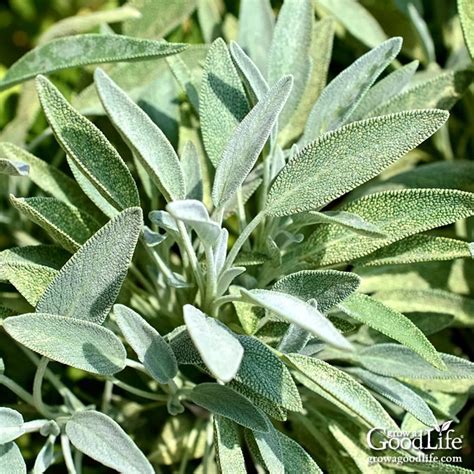
Sage tea is made from the leaves of the common sage plant known by the botanical name Salvia officinalis. The leaves of the plant are commonly used to make culinary herbs and essential oils. This perennial evergreen shrub belongs to the mint family and boasts a refreshing flavor when infused in hot water. The plant is native to the Mediterranean region and features slightly gray leaves. Sage has long been used in Italy and Greece as an herbal remedy for digestive issues and to boost the immune system. It’s also frequently used in Chinese and Indian traditional medicine.
Sage tea contains high amounts of antioxidants including ellagic, which can be found in berries. Other key ingredients include phenolic acids such as rosmarinic acid and flavonoids including luteolin and apigenin. Sage tea is naturally caffeine-free so you can enjoy it any time of day without disrupting sleep patterns. Sage tea offers a delicate, sweet flavor that has earthy notes. The tea boasts a fragrant aroma and lends a warming feeling. Sage tea is best consumed between meals to fully appreciate the nuances of the sweet and slightly astringent notes.
White sage is known botanically as Salvia apiana and can be purchased in a bundle and you can also drink it as a tea. This plant has impressive medicinal properties and is used in many wellness rituals.
Read also: Biblical References to Bay Leaf
White Sage: How to Use White Sage, Make White Sage Hydrosol and Essential Oil by Steam Distillation
Health Benefits of Sage Tea
Sage tea is packed with various healthy compounds, making it beneficial for your skin, mouth, and brain. It may also help protect against certain diseases, though more research on this is necessary. Sage tea is an aromatic infusion made from the leaves of common sage (Salvia officinalis), an herb in the same family as mint.
Here are some of the emerging benefits and uses of sage tea:
1. Rich in Antioxidants
Sage tea contains a variety of powerful plant compounds. In particular, its antioxidants work to neutralize harmful compounds called free radicals. When these accumulate in your body, they can lead to chronic diseases like type 2 diabetes and certain cancers. Sage tea is particularly high in rosmarinic acid. Animal and test-tube studies have shown that this antioxidant provides numerous benefits, such as decreased inflammation and blood sugar levels. While inflammation is a natural bodily response, chronic inflammation can increase your risk of illness. Sage likewise provides a fair amount of vitamin K, which is essential for bone health, circulation, and proper blood clotting. What’s more, this tea boasts several other health-promoting compounds, including carnosol and camphor. In a mouse study, sage extract significantly increased the levels of anti-inflammatory compounds circulating in the blood while decreasing the levels of inflammatory compounds.
Sage tea’s anti-inflammatory and antioxidant effects may be responsible for many of its purported benefits, but more human research is necessary.
Read also: Pink Salt Bath Benefits
2. Promotes Skin Health
Sage is a common ingredient in cosmetics that are applied topically as a natural skin care remedy. It’s possible that drinking its tea provides some of the same benefits. In a test-tube study on mouse skin cells, camphor - one of sage’s key compounds - was found to promote healthy skin-cell growth, slow signs of aging, and decrease wrinkle formation. In addition, an animal study associated this herb’s carnosol and carnosic acid with helping treat sun-related skin damage and other inflammatory skin problems. Other animal studies show that sage extract helps heal cold sores and speeds wound healing. Moreover, test-tube studies have demonstrated that its extract killed certain harmful bacteria and fungi that could damage your skin.
3. Enhances Oral Health
Sage is one of the most popular herbs in dentistry, as it targets pain, inflammation, and bad breath, as well as exerts antibacterial and wound-healing properties. In fact, gargling sage tea is often recommended as a remedy for mouth wounds and sore throats. These oral benefits are often attributed to the powerful antioxidant rosmarinic acid.
4. May Fight Cancer Cells
There is some evidence that sage tea may help fight cancer cells. It contains several anticancer compounds, including carnosol, camphor, and rosmarinic acid. In particular, animal and test-tube studies reveal that carnosol can kill several types of cancer cells without affecting healthy cells. In a study in over 500 people, sage and chamomile teas were linked to a decreased risk of thyroid cancer. Meanwhile, in a test-tube study, sage tea helped prevent genetic changes that cause colon cancer cell formation. Although these results are promising, more human research is necessary.
5. Helps Control Blood Sugar Levels
Sage, which is a frequent ingredient in alternative blood sugar medications, may help improve blood sugar levels and prevent or treat type 2 diabetes. A 2-month study in 105 adults with type 2 diabetes found supplementing with 500 mg of sage extract 3 times daily improved fasting blood sugar, post-meal blood sugar, and hemoglobin A1c - a measure of average blood sugar levels over the previous 3 months. Meanwhile, a mouse study determined that replacing water with sage tea reduced fasting blood sugar levels. Furthermore, a test-tube study suggested that sage behaves similarly to insulin - a hormone that helps manage blood sugar levels - by moving sugar in your blood into your cells for storage, thus lowering levels of this marker.
6. Improves Cognitive Function
Sage is widely used in alternative medicine to boost mood, improve memory, and help prevent brain-related disorders like Alzheimer’s. Scientific research backs many of these uses. Alzheimer’s progresses due to amyloid plaques that form in the brain. Several test-tube and animal studies indicate that sage and rosmarinic acid may help prevent the formation of these plaques. In addition, multiple human studies note that sage extracts improve memory, brain function, mood, and focus. One study in 135 adults found that simply smelling the aroma of this herb boosted memory and mood, compared with a control group. Sage may relieve pain as well, but more research is needed on its effects on the brain and nervous system.
Read also: Spiritual Significance of Patchouli
7. Provides Unique Benefits for Women
Sage may also provide some unique benefits for women. In the Middle East, pregnant women commonly use sage to treat digestive symptoms like nausea, a common problem early in pregnancy. Historically, sage has also been utilized as a natural way to reduce breastmilk production in women who are weaning or have an overabundant supply. However, there is little research to support either of these traditional uses.
Yet, research demonstrates that sage helps reduce hot flashes. An 8-week study in 71 menopausal women found that taking a daily tablet containing fresh sage reduced the severity and frequency of hot flashes by 64%.
8. May Lower Cholesterol
In a small, 4-week study in 6 women, drinking 10 ounces (300 ml) of sage tea twice daily resulted in 16% lower total cholesterol, 20% lower LDL (bad) cholesterol, and 38% higher HDL (good) cholesterol. A 2-month study in 105 people with type 2 diabetes on cholesterol-lowering drugs found that those who took 500 mg of sage extract 3 times daily had healthier levels of triglycerides and all cholesterol markers, compared with those in the control group. All the same, more research is needed.
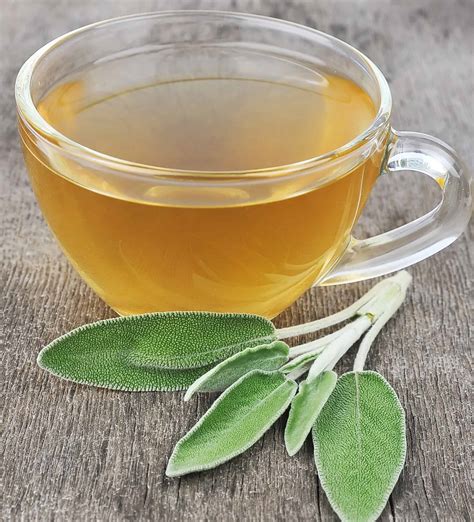
How to Make Sage Tea
Sage tea is easy to add to your diet, as you can purchase tea bags online or at most grocery stores. You can also make this aromatic beverage at home with the following ingredients:
- 1 tablespoon (15 grams) of fresh or 1 teaspoon (4 grams) of dried sage
- 1 cup (240 ml) of water
- Sweetener to taste
- Fresh lemon juice (optional)
Simply bring the water to a boil, then add the sage and steep for about 5 minutes. Strain to remove the leaves before adding your preferred sweetener and lemon juice to taste. This drink is enjoyable hot or cold.
Here's a step-by-step guide:
- Portion out 1 teaspoon of loose sage leaves and add to a tea infuser.
- Steep for 10 to 15 minutes. Taste in 30-second intervals after 10 minutes to find the flavor that works for you.
- Instead of just incorporating sage into your culinary dishes, whip up a piping hot cup of sage tea and drink to your health.
- The delightful aroma will help soothe jittery nerves and the slightly sweet and earthy flavor will awaken your senses.
Precautions
Note that much of the research on sage has been conducted in animals and test tubes and used highly concentrated extracts. While sage tea may provide some of the same benefits, its effects may not be as pronounced. In addition, more human studies are needed.
This beverage may also have a few downsides. Sage contains a compound called thujone, which provides its strong aroma but can be toxic in high doses. Drinking extremely large amounts of sage tea - or consuming this herb in other forms - over an extended period may cause heart problems, seizures, vomiting, and kidney damage if you’re ingesting more than 3-7 grams of thujone per day. Yet, sage tea only contains 4-11 mg of this compound per 4 cups (1 liter), so you can safely drink several cups per day with little to no risk of thujone toxicity.
At the same time, you should avoid ingesting sage essential oil or adding it to your tea, as just 12 drops can be toxic. Sage tea is very safe overall in normal amounts, but if you have any concerns, it’s best to consult your healthcare provider.
As an expectant mother you should always be careful with drinking herbal teas during your pregnancy. Even though, sage tea is generally safe to consume during pregnancy, concentrated amounts found in tea and supplements could be unsafe for expectant mothers. Always consult a doctor before drinking sage tea or any other herbal tea during pregnancy.
Women who are pregnant or breastfeeding should avoid sage tea. Sage tea has an estrogen-like effect that can affect hormone levels that may interfere with a healthy pregnancy. The hormone qualities of sage tea may induce your menstrual period and can lead to miscarriage. Sage tea may also reduce the milk supply for women who are nursing. Avoid drinking sage tea if you have a hormone-sensitive illness such as breast cancer as the tea can make the condition worse.
If using fresh sage leaves from your garden, make sure to grow plants away from sources of pollution including major roadways. For the most authentic flavor, avoid using fertilizers and other chemicals to grow your sage plants.
Safety Guideline: As a general safety precaution, always take great care when using essential oils that have more than 10% 1,8 cineole. Essential oil of white sage contains 1,8 cineole ranging from 24.6 to 71.7%. Note 1,8 cineole is also called eucalyptol or cajuputol. Children are susceptible to 1,8 cineole.
| Nutrient | Amount per teaspoon (0.7 grams) | % RDI |
|---|---|---|
| Calories | 2 | |
| Protein | 0.1 grams | |
| Fat | 0.1 grams | |
| Carbohydrates | 0.4 grams | |
| Fiber | 0.3 grams | |
| Sugar | 0 grams | |
| Vitamin K | 10% | |
| Iron | 1% | |
| Vitamin B6 | 1% | |
| Calcium | 1% | |
| Manganese | 1% |