Soul ties might sound like something out of a romantic movie, but they’re very real in how they show up emotionally and relationally. At their core, soul ties are deep emotional bonds that can connect us to someone long after a relationship has ended. These ties often linger because of shared experiences, intimacy, or unresolved feelings. Understanding them can help you recognize how relationships affect your emotional well-being, both positively and negatively.

What Are Soul Ties?
Soul ties refer to the emotional and psychological connections we form with others, especially loved ones or those with whom we’ve shared significant relationships. These connections can feel powerful-almost as though they’re a part of who we are. The term is widely used to describe deep, lasting bonds created by shared intimacy, vulnerability, or trauma, even though it's not scientifically measurable.
The Emotional Bond in Relationships
When you think about connection in a relationship, it’s not just about spending time together-it’s about feeling understood or “seen.” Emotional bonds often develop when two individuals establish trust, open up about their fears or dreams, or experience life-changing events side by side. These ties can feel comforting and supportive. For example, a childhood friend you can call after years of silence might represent a positive emotional tie that has stood the test of time.
But not all emotional bonds are beneficial. In some cases, people remain connected because of unfinished emotional business, unresolved conflicts, or feelings of guilt. This is where the idea of a soul tie takes shape. It’s the emotional weight or pull that keeps someone locked into certain dynamics, whether good or bad.
Is It Fact or Feeling?
While the term “soul tie” is popular in spiritual or religious discussions, it can also be viewed through an emotional and psychological lens. Psychologists explain it as a result of emotional imprinting-when someone leaves a strong impression on your mind and heart, making it difficult to forget them or detach. Think about why a past relationship still brings up strong emotions or why certain memories with someone feel particularly vivid. That’s the kind of connection many refer to as a soul tie.
Read also: Divine Connection through Soul
The important takeaway here is that whether we label it as “soul ties” or something else, it’s the depth of the emotional connection that matters. It’s less about needing proof and more about recognizing how these bonds influence your feelings, decisions, and personal growth. The key is understanding whether that connection is helping you thrive or holding you back.
Healthy vs. Toxic: How to Spot the Different Types
Not all soul ties are created equal. Some connections lift you up, encourage growth, and positively impact your life, while others feel restrictive, draining, or even harmful. Knowing the difference between healthy and toxic bonds is crucial for understanding how these emotional ties affect you. Let's break it down.
Signs of a Healthy Soul Tie
A healthy soul tie is rooted in mutual respect, understanding, and care. It adds value to your life and helps you become the best version of yourself. Here’s what to look for:
- Mutual Growth: You and the other person encourage and support each other’s personal development.
- Emotional Support: The connection feels balanced, and you both feel free to express yourselves without judgment.
- Sense of Security: You feel secure in the relationship without fear of abandonment or dishonesty.
- Independence: While connected, you both maintain your independence and identity.
- Positive Influence: The relationship inspires you to make healthy choices and achieve your goals.
These connections enhance your emotional well-being and are worth nurturing as they create a safe space for growth and happiness.
The Soul Ties In Toxic Abusive Relationships And How To Break Them
Signs of a Toxic Soul Tie
On the other hand, toxic soul ties often create unhealthy patterns and emotional strain. They may feel overwhelming or leave you feeling stuck. Here are a few signs:
Read also: Pittura Metafisica Explained
- Emotional Dependence: You feel like you can’t live without the other person, even if the relationship is causing harm.
- Overstepping Boundaries: You may tolerate disrespect or unhealthy behaviors to maintain the connection.
- Guilt or Obligation: The tie feels more like a burden than a benefit, often fueled by guilt or pressure.
- Feeling "Trapped": You want to move on, but the emotional pull keeps you attached, even at your detriment.
- Stagnation: Instead of growing together, the relationship holds you back or even drags you down.
Recognizing these differences is vital for prioritizing your emotional health. A healthy soul tie will build you up, while a toxic one will chip away at your confidence and happiness. By taking inventory of your connections, you can identify which bonds are truly worth holding onto and which ones may need to be released.
Breaking Free from Toxic Soul Ties
Breaking free from a toxic soul tie can feel overwhelming at first, especially if the bond runs deep. However, it’s important to remember that letting go is not only possible but also necessary for your emotional health and growth. This process isn’t about forgetting the person entirely-it’s about releasing their hold over you so you can reclaim your peace of mind. Let’s walk through some practical steps to help you move forward.
1. Recognizing
The first step to breaking free is acknowledging the problem. Ask yourself some tough but honest questions: Does this relationship make you feel drained or stuck? Are you sacrificing your own needs and boundaries to keep the connection alive? Toxic soul ties often create feelings of guilt, dependency, or an inability to let go, even when you know the relationship isn’t serving you. Recognizing these patterns is a critical starting point.
2. Setting Boundaries for Emotional Recovery
Once you’ve identified a toxic bond, the next step is to establish boundaries. This might mean reducing or cutting off communication, at least temporarily. It’s not about being mean or cold-it’s about protecting your energy. For example, if the person frequently reaches out, consider gently but firmly stating your need for space. Unfollow or mute them on social media to minimize emotional triggers during this period of healing.
Journaling is a great tool here as well (here are some journal ideas for beginners). Write down how the relationship makes you feel and what boundaries you need to set. Seeing your thoughts on paper can provide clarity and help you stick to your decision.
Read also: Characteristics of an Old Soul
3. Rebuilding Emotional Independence
Healing from a toxic soul tie requires rediscovering yourself outside of that relationship. Start by focusing on hobbies, interests, or friendships that bring you joy. Doing things you love or exploring new passions can remind you of your own identity and worth beyond the connection you’re trying to release.
Practicing self-compassion is also key. Let go of any self-blame for being in the situation and remind yourself that everyone forms unhealthy attachments at some point. This is a time for self-care, whether that means therapy, meditation, or talking to trusted friends who support your growth.
Breaking free from a toxic soul tie takes time, but each small step forward helps you reclaim your emotional freedom. Once you’ve let go, you’ll find a renewed sense of strength and clarity, ready to embrace healthier connections moving forward.
Life Architekture to Help You Break Negative Patterns
Letting go of toxic soul ties can feel like an uphill battle, especially when these emotional bonds are deeply rooted. This is where personalized guidance from Life Architekture can make all the difference. Through 1:1 coaching sessions, we focus on helping you understand and untangle the unhelpful patterns that keep you tied to unhealthy relationships or situations.
Working with an online life coach provides you with a safe, non-judgmental space to process your emotions and gain clarity on what truly serves you. At Life Architekture, we guide you step by step in identifying toxic ties, setting realistic boundaries, and building emotional independence. Together, we create actionable strategies tailored to your unique circumstances, allowing you to move forward with confidence and purpose.
Breaking negative patterns isn’t just about ending a connection-it’s about rediscovering your sense of self, so you can cultivate healthier relationships going forward. Whether it’s through reflective exercises, goal setting, or learning mindset shifts, coaching helps you stay focused on your personal growth. If you’re feeling stuck or unsure of how to navigate such challenges, we are here to guide you toward emotional freedom and a stronger, brighter future.
Different Types of Soulmates
Our entire lives we’ve been told that our soulmate is the one person in the world that can fulfill all of our romantic needs. But did you know that a soulmate does not have to be romantic at all? Or that there are several different types of soulmates? It’s even possible that you can have multiple in your lifetime.
Here are a few different types of soulmates and what they mean:
- Romantic Soulmates: This is the type of soulmate that you see in pop culture all the time. Your romantic soulmate is someone whose aura instantly attracts you. Sometimes these types of soulmates don’t always end up together, but that doesn’t mean that the connection is lost. There is no better example of romantic soulmates than Jack (Leonardo DiCaprio) and Rose (Kate Winslet) in Titanic (1997). This pair of star-crossed lovers gave each other everything they could want and more. So I think it’s safe to say they are soulmates.
- Karmic Soulmates: Karmic soulmates are a pair that truly love and understand each other; however, they typically don’t last. This type of soulmate comes into your life to teach you a lesson, whether it be about love, growth, acceptance, etc. Karmic soulmates are known as “wrecking ball” relationships. They do not always need to be romantic either; friends come and go as well. Connell (Paul Mescal) and Marianne (Daisy Edgar-Jones) from the Hulu series and novel by Sally Rooney Normal People are undoubtedly karmic soulmates. These two truly understand one another, but poor timing and anxiety always seem to get in the way of their relationship.
- Twin Flame: Twin flames “are thought to be one soul split into two bodies.” This is someone that you feel fills a void in your life. They often have the same morals and opinions as you, whereas a soulmate might introduce you to new ideas. Twin flames also do not have to be romantic, they can be your best friend or a family member. While watching the original Gossip Girl series, you may have thought that Chuck (Ed Westwick) and Blair (Leighton Meester) were the epitome of romantic soulmates. However, they are more like twin flames. These two are halves of the same mind that love scheming, sex, luxury, and most importantly-each other.
- Platonic Soulmates: Have you ever known someone that you connect with on a soulmate type of level, but there are no romantic feelings? They are probably your platonic soulmate. This person can fulfill all of your needs without anything sexual, making the connection more of a companionship. A platonic duo that we’re obsessed with is Peter (Tom Holland) and Ned (Jacob Batalon) in Holland’s versions of Spider-Man. They are completely comfortable sharing all sides of themselves with one another, which creates an intense bond.
- Soul Groups: Yes, you can even have multiple soulmates at one time. These are called soul groups. A soul group is a collection of people that are considered kindred spirits. Spiritual Healing Melbourne says that “these people are members of the same spiritual family as you and because of that share an intensely strong bond that transcends time and space.” It would be wrong to not include the iconic girl gang from Sex and the City: Carrie (Sarah Jessica Parker), Miranda (Cynthia Nixon), Samantha (Kim Cattrall), and Charlotte (Kristen Davis), who are definitely a soul group. They share an immense amount of love for each other that withstands any drama-which is mostly about men.
Soul Ties in Media
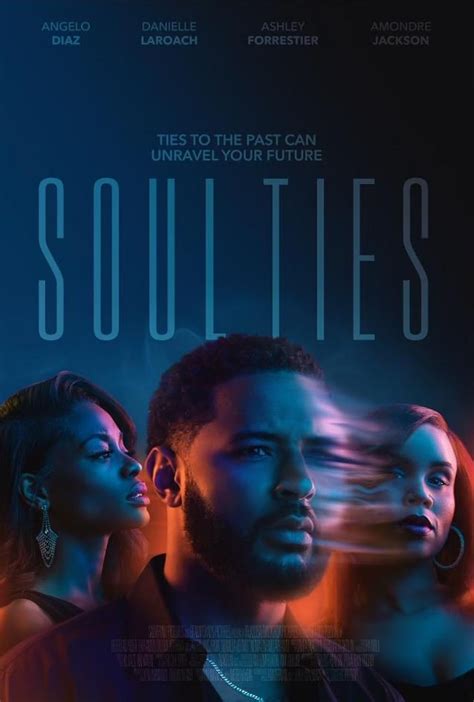
The concept of soul ties, particularly in the context of romantic relationships, has been explored in various forms of media. For instance, the movie "Soul Ties," directed by Frank Rajah Arase, delves into the complexities of marriage and the challenges that arise when two individuals attempt to build a life together. The film underscores the idea that marital problems are not exclusive to the 21st century, aiming to offer a cautionary tale and guidance for married couples.
Frequently Asked Questions
What are soul ties?
Soul ties are strong emotional connections that develop between two individuals, often through shared intimacy, vulnerability, or significant experiences. They can be positive or negative, often influencing how someone feels and behaves long after the relationship has ended.
How do I know if I have a toxic soul tie?
Signs of a toxic soul tie include emotional dependency, feeling trapped, sacrificing your boundaries, or experiencing guilt for wanting to let go. If the relationship drains you or prevents growth, it may indicate a toxic bond.
Can soul ties only occur in romantic relationships?
No, soul ties can form in any close relationship, including friendships and family bonds. What matters is the depth of the connection and the emotional impact of shared experiences, whether positive or negative.
How can I break a toxic soul tie?
To break a toxic soul tie, start by recognizing harmful patterns, setting clear boundaries, reducing communication, and focusing on your self-care. Rebuild personal independence by pursuing hobbies, goals, and relationships that bring you joy and growth.
Are all soul ties bad for you?
Not at all! Healthy soul ties are supportive and enriching. They encourage personal growth, emotional balance, and mutual respect. Toxic ones, however, can create dependency or harm and may need to be addressed or released.
| Type of Soul Tie | Characteristics | Impact |
|---|---|---|
| Healthy Soul Tie | Mutual respect, emotional support, independence, positive influence | Enhances emotional well-being, creates a safe space for growth |
| Toxic Soul Tie | Emotional dependence, overstepping boundaries, guilt, feeling trapped, stagnation | Creates unhealthy patterns, emotional strain, chips away at confidence |
| Romantic Soulmate | Instant attraction, deep connection | Provides love and support, may or may not last |
| Karmic Soulmate | Love and understanding, but doesn't last | Teaches a lesson about love, growth, or acceptance |
| Twin Flame | Fills a void, shares morals and opinions | Creates a strong bond, may be romantic or platonic |
| Platonic Soulmate | No romantic feelings, companionship | Fulfills needs without sexual intimacy |
| Soul Group | Kindred spirits, strong bond | Provides love and support, transcends time and space |