We often hear about emotional and intellectual boundaries, but what about spiritual boundaries? They may seem abstract, but they are essential for maintaining a healthy relationship with God and others, fostering spiritual growth, and safeguarding against sin and spiritual harm. Let's explore the biblical foundations and practical applications of spiritual boundaries, drawing wisdom from scripture and the life of Jesus.
Understanding Spiritual Boundaries
Spiritual boundaries refer to the divinely ordained limits and guidelines that govern the spiritual lives of believers. These boundaries are established by God to protect His people, promote holiness, and ensure a life that is pleasing to Him. They are essential for maintaining a healthy relationship with God and others, fostering spiritual growth, and safeguarding against sin and spiritual harm.
Biblical Foundation
The concept of spiritual boundaries is rooted in Scripture, where God provides clear instructions and commandments to His people. In the Old Testament, God gave the Israelites the Law through Moses, which included moral, ceremonial, and civil boundaries (Exodus 20:1-17). These laws were designed to set Israel apart as a holy nation (Leviticus 20:26).
In the New Testament, Jesus Christ reaffirms the importance of spiritual boundaries, emphasizing the heart's condition over mere external compliance. In Matthew 5:17-18, Jesus states, "Do not think that I have come to abolish the Law or the Prophets; I have not come to abolish them but to fulfill them." This fulfillment involves a deeper understanding and adherence to God's will, as seen in the Sermon on the Mount, where Jesus expands on the spirit of the Law (Matthew 5-7).
Personal Boundaries: Guarding Your Heart and Mind
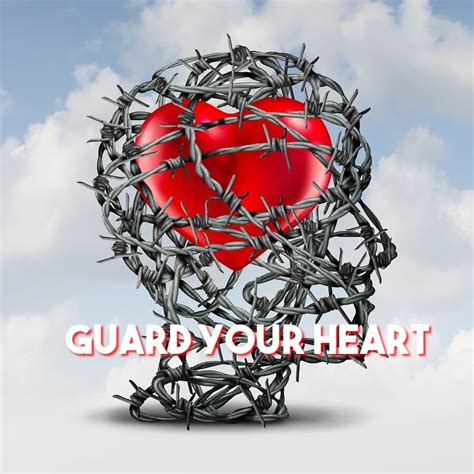
Believers are called to establish personal spiritual boundaries to guard their hearts and minds. Proverbs 4:23 advises, "Guard your heart with all diligence, for from it flow springs of life." This involves setting limits on what one allows into their life, such as influences from media, relationships, and activities that may lead to sin or distraction from God.
Read also: Understanding anemia spiritually
The Apostle Paul, in 1 Corinthians 6:19-20, reminds believers of their identity and purpose: "Do you not know that your body is a temple of the Holy Spirit who is in you, whom you have received from God? You are not your own; you were bought at a price. Therefore glorify God with your body." This passage underscores the need for boundaries in personal conduct, emphasizing purity and holiness.
Practical Steps for Setting Personal Boundaries
- Self-Awareness: Understand your values, limits, and needs.
- Discernment: Evaluate influences and activities to determine their spiritual impact.
- Commitment: Make a conscious decision to prioritize God and His will.
- Communication: Clearly express your boundaries to others.
Community and Church Boundaries: Maintaining Order and Unity
Spiritual boundaries also extend to the community of believers, where they serve to maintain order, unity, and doctrinal purity. In Matthew 18:15-17, Jesus outlines a process for addressing sin within the church, highlighting the importance of accountability and discipline. The early church practiced these principles, as seen in Acts 15, where the Jerusalem Council set boundaries regarding Gentile believers and the observance of the Law.
Paul's epistles frequently address the need for boundaries within the church. In 1 Corinthians 5:11-13, he instructs the church to separate from those who persist in sin: "But now I am writing you not to associate with anyone who claims to be a brother but is sexually immoral or greedy, an idolater or slanderer, a drunkard or swindler. With such a man do not even eat." This directive aims to preserve the church's holiness and witness.
Spiritual Warfare and Boundaries: Resisting Temptation
Spiritual boundaries are crucial in the context of spiritual warfare. Ephesians 6:10-18 describes the armor of God, which believers must "put on" to stand firm against the schemes of the devil. This passage highlights the need for vigilance and the establishment of boundaries to resist temptation and spiritual attack.
James 4:7 provides a succinct strategy for spiritual warfare: "Submit yourselves, then, to God. Resist the devil, and he will flee from you." Submission to God involves adhering to His boundaries, which empowers believers to resist the enemy effectively.
Read also: Light Blue: Calmness and Healing

The Armor of God (Ephesians 6:10-18)
- Belt of Truth: Ground yourself in God's Word.
- Breastplate of Righteousness: Live a life of integrity.
- Shoes of Peace: Share the Gospel.
- Shield of Faith: Trust in God's promises.
- Helmet of Salvation: Protect your mind with God's truth.
- Sword of the Spirit: Use God's Word as your weapon.
Jesus: The Ultimate Example of Setting Boundaries
Jesus himself provides the ultimate example of setting healthy boundaries. He had limitations that he accepted in a relaxed way, like needing nourishment and rest. He prioritized his personal soul care, often separating himself from people to be alone with God. Primarily his personal soul care had to do with separating himself from people to be alone with God, whom he called “Abba” (Papa).
Unlike many other servants of the Lord, Jesus did not live on the defensive, overextending himself and getting more and more tired and then finally taking a break. Instead, Jesus lived on the offensive in dealing with temptation and Satan. He was proactive in that he consistently invested in his intimacy with Abba and this gave him energy and focus.
Another thing I saw in the gospels is that Jesus wasn’t always nice to people. Often he didn’t do what people wanted him to do. There were many people he didn’t help. And whenever he did help other people, he expected them to do their part. For instance, even in Jesus’ miracles, he asked people to do something, usually something they felt they couldn’t do.
In outline form, I’d like to share with you some of the key points of my Bible study on Jesus Setting Boundaries. This is the same outline I’ve used in many classes I’ve taught to pastors, church counselors, and other ministry leaders on setting limits and learning to be joyful givers.
Read also: Explained: Spiritual Blessings
Key Principles from Jesus' Life
- Meeting His Personal Needs
- Enjoying the Moment (These people, this place, this time)
- Abandoning Outcomes to God
- Saying No to Manipulation
- Obeying God
How to Set Boundaries: 7 Tips for the Spiritually Awake (Dealing w/ Difficult People in Your Life)
Practical Application in Ministry and Caregiving
It’s especially important for pastors, ministry leaders, and other caregivers to learn to set limits for their own soul care. First of all, because they have needs to be loved and respected as much as anyone else! Secondly, because a ministry leader with weak (poorly defined or insecure) boundaries will eventually become so stressed or emotionally depleted as to be ineffective or inappropriate in helping others.
Tired caregivers often have trouble saying no and avoid speaking the truth in love. They are more readily drawn into trying to rescue other people, and without realizing it, may end up enabling selfish or irresponsible behavior in the people they’re trying to help. They may get so enmeshed with the people they care for, trying to continue to please them and walking on eggshells for fear of upsetting them, that they “lose themselves.” They lose track of what they need and what’s important to them, or what God has called them to do.
Usually, people who minister to others as pastors or counselors are sensitive-hearted and prone to take on other people’s problems. If they don’t have clear personal boundaries and limits, they get weighed down and walked on. Eventually, they start having problems with anger, resentment, stress overload or burnout.
tags: #spiritual #boundaries #in #the #bible