In a world brimming with vibrant hues, the color gray often goes unnoticed. Yet, its subtle presence in mythology and folklore carries profound significance. Gray resides between extremes, a liminal color of transition, mystery, and hidden wisdom.
Unlike black or white, which symbolize absolutes, gray narrates the story of the in-between, where life is complex, uncertain, and transformative. Let's delve into the multifaceted spiritual meaning of gray and explore its symbolism across various cultural contexts.
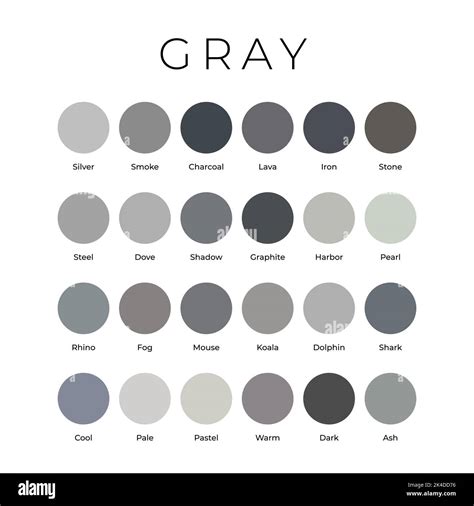
Gray in Folklore and Mythology
In folklore, thresholds are places of power-doorways between the seen and unseen. Gray symbolizes that liminal space: neither day nor night, good nor evil, life nor death. In Slavic pagan cosmology, the moments of dawn and dusk, both times when the sky turns silvery-gray, are seen as gateways to the spirit world.
In traditional tales, elder figures with gray hair are often revered for their wisdom. Think of the wise crone archetype-a recurring figure in Slavic and European folklore, who holds spiritual insight, herbal knowledge, and guidance. In this way, gray symbolizes the accumulation of experience. In animal folklore, gray wolves, gray owls, and silver foxes often represent stealth, intelligence, and spiritual messengers. The gray wolf, in particular, is a powerful symbol in Slavic tales, representing both a threat and a sacred protector.
In Slavic traditions, the gray mist is a supernatural force, often leading travelers into other worlds or hiding magical realms. While rarely used in ritual garments or offerings, gray stones like moonstone, silver, and ash are considered grounding and protective. In contemporary spirituality and folklore-inspired home decor, gray plays a key role as a balancing force. It provides a quiet backdrop for color-rich symbolism and creates a mood of reflection and calm.
Read also: Understanding anemia spiritually
Gray in Dream Interpretation
In dream interpretation, gray often suggests uncertainty, a time when answers are not yet revealed. Gray can also mean confusion and uncertainty. This comes from it being neither one thing nor another: neither black nor white. This gray feeling is like walking through mist or trying to see through clouds. Being undecided or uncertain can be an unpleasant place to be.
God can use gray in a dream to encourage us to trust Him - even though we don’t understand why things are happening to us. As we have seen, to be in a place of uncertainty and confusion is quite distressing. Do we press in for answers, or do we need to relax and trust God? That is why we need personal communications from heaven - and that’s where dreams come in! God can use gray to show us the right way to respond in our particular situation. And, of course, dreams themselves are a great way to hear from God and find understanding and clarity in times of uncertainty. Have fun interpreting those gray dreams!
When the color gray appears prominently in your dreams, your unconscious engages the symbolism of balance, neutrality, wisdom that transcends black and white thinking, and the transitional space between extremes. Gray is neither purely dark nor purely light; it holds paradox and complexity. Gray represents maturity, realism, the integration of opposites, and the wisdom that comes from experience and time.
Times of increased wisdom often feature gray. Times of accepting complexity often include gray. Times of moving beyond black-and-white thinking often feature gray. Gray dreams frequently reveal shadow material around wisdom and balance. Approach gray dreams as invitations to wisdom and nuanced understanding. Journal about complexity you're learning to hold. Explore balance in your life. Gray dreams call for developing wisdom and accepting complexity. Move beyond polarities. Hold paradox. Seek balanced understanding.
Dreams of gray remind you that wisdom includes accepting what cannot be fully known. Balance is more realistic than extremes. Maturity brings peace.
Read also: Light Blue: Calmness and Healing
The Psychology of Gray
Being half way between black and white, grey is the universal symbol of neutrality, objectivity and detachedness. As it takes no sides, it often represents impartial judgement and is frequently associated with the judicial system, fairness and truth. Lady Justice (or Iustitia) is often depicted wearing a light grey robe with a scales and a sword in her hands.
Another reason for associating grey with intellect is the "unemotional" character of this colour. Grey is an achromatic colour, which means that it lacks the vivid energy as well as the emotional charge of chromatic colours. Grey simply lacks energy, so it cannot stimulate or excite us.
If you choose grey as your favourite colour, then you are a person who likes to be in the background rather than in the front. You do not like exposure (maybe do not have the confidence to jump onto the stage), moreover even everyday chatting and conversations are difficult for you, you prefer to keep talking at a minimum level. You prefer to play safe and stay outside, remain unattached in the majority of situations. You have very strong self-protective mechanisms that can help you to achieve this. It is difficult to touch you emotionally, you are very closed, reserved and distant in your relationships.
Gray in Different Contexts
Gray is the colour of Lent, mourning and repentance in Christianity. In the Middle Ages, grey was the colour of undyed wool which was worn by the poor and by monks of several orders, which made grey (together with brown) a symbol of poverty. In England and Scotland monks of the Franciscan order were commonly known as the grey friars. Monks are often dressed in grey in Asia, as well.
In folklore, grey often represents goblins, elves and other legendary creatures, in illustrated fairy tale books, the clothes (or sometimes the skin) of these figures are grey. Grey became a very fashionable colour in the 18th century worn by the nobility and wealthy men and women. The grey business suit appeared in the mid-19th century in London replacing the more colourful men's clothing early in the century. Grey supremacy in this field vanished gradually at the beginning of the 21st century, when dark blue became more popular.
Read also: Explained: Spiritual Blessings
Grey also became a common colour for military uniforms during the American Civil War and the Franco-German War. The reason behind this was that using rifles with longer range, soldiers in grey were less visible as targets than those in blue or red. This is why grey is often associated with war, like on the famous grey-toned painting, Guernica by Pablo Picasso.
Positive and Negative Associations
We think of gray as solemn and serious, the color of business suits and sophistication. It’s not a color of extremes, but rather of middle ground, of reasonable agreement.
Gray can be perceived as emotionally distant or disconnected, and it’s associated with morally questionable matters as well. It’s neither one thing nor the other-as in "gray area," and we can think of it as being indecisive. And though we associate gray with wisdom, the millions of dollars spent on coloring gray hair each year indicates we don’t actually love gray when it comes to hair.
Summary of Spiritual Meanings of Gray
| Aspect | Spiritual Meaning |
|---|---|
| Neutrality | Impartiality, objectivity, detachment |
| Balance | Equilibrium, harmony |
| Wisdom | Maturity, knowledge, experience |
| Transition | Liminality, in-between states |
| Complexity | Nuance, understanding subtleties |
| Detachment | Emotional distance, self-protection |
The spiritual meaning of grey symbolizes neutrality, balance, conservatism, formality and sophistication. A person that loves grey is a person that is practical, reliable and mature. You are a person that constantly strives for a neutral and indifferent attitude towards life. Your grey spirituality attracts and brings you intelligence, knowledge and wisdom. The colour grey can help to bring you a look of seriousness, sophistication and coolness.Adding a balance of grey into your life will aid with mental, emotional, physical release and cleansing.