Chakras are focal points of energy located in 7 different areas throughout the human body. The word chakra means “wheel” in Sanskrit, which typifies how energy comes into the body and is turned through “the wheels of the chakras”, then gets released back outwardly through words, actions and physical movements. Even if you’re not privy to new age language or eastern spirituality, the chakras can help you identify what’s going on within your body and mind, and how the two are connected. Blocked chakras can feel like stuck energy, tension in the body and difficulty taking action from a place inside that feels confident, comfortable and self-loving.
In focusing on unblocking the throat chakra, we will explore common reasons for blockages, what the block feels like both physically and psychologically and specific techniques for unblocking the throat chakra. In this article, we will discuss unblocking the throat chakra. The throat chakra is the energy center that governs the mouth, tongue, jaw and neck; it directly relates to communication and the ability to speak your truth, or share your feelings, thoughts and needs honestly with others.
The throat chakra, also known as Vishuddha in Sanskrit, is a powerful gateway to communication, self-expression, creativity, and authenticity. The vishuddha or throat chakra acts as the body’s communication hub. It’s where you find your voice, speak your truth, and sing praises-for yourself and others. This chakra is associated with speaking up and expressing yourself, but also with hearing and being heard.
In the context of holistic health and spirituality, a chakra is a center of energy in the body. There are seven main chakras, each associated with specific physical, emotional, and spiritual aspects of our being. When a chakra is blocked or imbalanced, it can lead to various health issues and challenges with interpersonal relationships.
Vishuddha, or throat chakra, is the fifth chakra of the main chakras. It comes after the heart chakra but before the third eye. It’s like the “bridge” between the upper and lower chakras. Vishuddha means “purification” and is depicted as a beautiful sixteen petal lotus flower. Fun fact: The sixteen petals of the throat chakra symbol represent the sixteen sounds vowels of Sanskrit. Isn’t that fitting since this chakra represents communication and self expression?
Read also: Science of Chakras
The throat chakra is the link between these realms. The first four chakras-muladhara (root), svadhisthana (sacral or pelvic), manipura (navel), and anahata (heart)-are associated with earth elements and the physical body. The ajna (third eye) and sahasrara (crown) chakras are associated with light, beauty, intuition, and cosmic or spiritual energy.
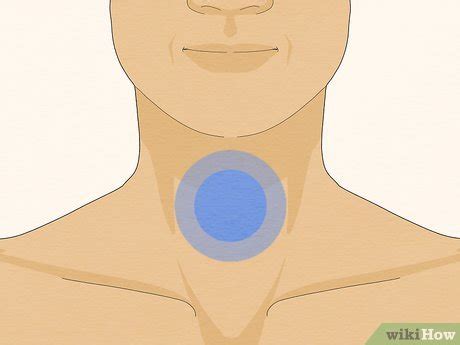
The throat chakra, located at the base of the throat near the thyroid gland, is more than just a physical entity. It bridges the lower chakras (root, sacral, solar plexus) and the higher chakras (heart, third eye, crown), facilitating the expression of our inner truth and authentic self. The throat chakra is associated with the color blue, particularly sky blue or turquoise. Blue symbolizes clarity, truth, and communication. Vishudda’s associated element is ether, or akasha in Sanskrit, representing the space through which all other elements manifest. It is associated with sound, vibration, and consciousness.
The throat chakra resides in the throat area, obviously, and affects the surrounding areas. I mean, there’s a reason it’s called an “ear, nose, and throat” doctor right? Because all of those areas are interconnected and have a profound effect on each other. When any of these areas feels clogged or sore it effectively stops your communication. This is the place where energy is refined. You have the opportunity to really purify your energy through this space so that your feelings can be beautifully expressed. So that your thoughts and ideas can be expressed out into the world whether that’s through your voice or any artistic means. Spiritually the throat chakra is associated with truth and clarity. This is the space where you find your voice, internal and external. It’s about hearing as well as speaking.
The vishuddha chakra is associated with the throat, but also the tongue, lips, cheeks, jaw, and ears, as well as the back and lower part of the neck, and even the shoulders.
The heart chakra lets people just “be,” instead of “achieve.” The throat is not just about trying to be heard but being able to hear other people (including yourself). This is where I remind you that the seven chakras all work together and, again, you should work with the system as a whole. For example: you take something in through Svadisthana (sacral chakra) and it creates feelings, you then express those feelings through Vishuddha. Your throat energy is affected by all the chakras.
Read also: Anatomy of the Sacral Chakra
Signs and Symptoms of a Blocked Throat Chakra
Recognizing the symptoms of a blocked throat chakra is the first step toward healing. Experiencing throat pain, hoarseness, or issues with the thyroid can indicate a blockage in the throat chakra. A blocked throat chakra can manifest in various physical, emotional, and mental symptoms.
- Physical Symptoms:
- A raspy throat
- Chronic sore throat
- Mouth ulcers
- Gum disease
- Laryngitis
- Thyroid challenges
- Temporomandibular joint (TMJ) disorders
- Neck and shoulder pain
- Emotional Symptoms:
- Emotional Instability: Difficulty expressing your thoughts and feelings, leading to frustration or a sense of being unheard.
- Communication Issues: Struggling to communicate effectively or feeling shy and withdrawn in social situations.
- Honesty Concerns: Having trouble being truthful with yourself or others, which can lead to feelings of guilt or shame.
- Feelings of depression, anxiety, or low self-esteem.
- Fearful about speaking your personal truth.
- Have a harder time expressing your thoughts.
- Feel anxious about speaking or communicating.
- Mental Symptoms:
- Difficulty expressing your thoughts and feelings.
- Feeling like you have nothing of value to share with the world.
- Losing confidence in your voice.
A blocked throat chakra can manifest as an inability to self-express with confidence; one might feel that they have nothing of value to share with the world when the throat is blocked; you lose confidence in your voice. You may get the urge to share something, but feel like the cat has your tongue. Or maybe you’re clear about what you want to say, but by the time it’s verbally expressed, the meaning is lost or your words sound confusing. Perhaps you’re hedging in conversation, unable to commit to your words, fearful of how they will be perceived.
This imbalance may also manifest as a fear of speaking in public or even talking openly with people you know. A blocked vishuddha chakra may make you unwilling or unable to speak up to defend yourself, express your opinion, or state your choices. While the throat chakra is associated with being silenced, an imbalance in the opposite direction may be signaled by a tendency to talk too much or ramble on without a clear point. You may tend to put your foot in your mouth, use inappropriate language, or make misstatements.
When the fifth chakra is out of balance, individuals may struggle to express themselves genuinely, leading to difficulties in both self-acceptance and connecting with others.
Common Reasons for a Blocked Throat Chakra
The following bullets describe some common examples of how one might develop a blocked throat chakra. Many of the reasons center around using your voice, and difficulty prioritizing your own needs.
Read also: Discover Your Inner Chakra
Factors that can block the throat chakra include:
- Fear of Expression: Fear of speaking up or fear of being judged can block the throat chakra's energy flow.
- Repressed Emotions: Suppressing emotions and not expressing yourself honestly can also block the throat chakra.
- Lack of Self-Expression: Not expressing yourself authentically and holding back your true thoughts and feelings can stifle the throat chakra's energy flow.
- If you’re used to putting other people’s needs above your own, you may stifle your own voice, discounting your needs to the degree that they build up and form a block in your throat chakra.
- If you fear other people’s reactions so much that you silence yourself, you may develop a blocked throat chakra.
- If you’ve been taught that what you say isn’t welcomed or doesn’t matter, you may be inclined to develop a throat blockage.
You may have learned to tailor your speech in order to keep people around you happy or to curb negative reactions. If you’re constantly changing your words and requests to sound more palatable for others or to control their reactions, what message are you sending to yourself about your voice? How are your relationships? Can you be yourself and still be accepted and included? There are many reasons for developing a blocked throat chakra, but there is a theme here around how you use your voice, and what hinders you from expressing yourself, your truth and your needs.
Positive Qualities of a Balanced Throat Chakra
The throat chakra, positioned at the base of the throat, serves as a gateway for expressing our thoughts, feelings, and ideas to the world. A harmoniously balanced Vishuddha chakra fosters clear and authentic self-expression. An individual with a well-aligned throat chakra experiences openness, honesty, and tolerance, creating a foundation for meaningful and effective communication with oneself and others.
When this chakra is open and balanced, we can communicate effectively and authentically, fostering healthy relationships and personal growth.
Positive qualities associated with the throat chakra include:
- Clear Communication: A balanced throat chakra enables clear and honest communication.
- Creative Expression: The throat chakra is also linked to creativity and self-expression.
- Self-Confidence: Confidence in our ability to express ourselves and communicate effectively is another positive quality associated with the throat chakra.
People with balanced throat chakra have exceptional communication skills. They are capable of translating their most complex thoughts into words and expressing their ideas in a way that is motivational to the people around them.
Techniques to Unblock and Heal the Throat Chakra
Healing the throat chakra is not a complex or distant goal. It's within your reach, with various practices designed to restore balance and harmony to this energy center. These methods are not only practical but also accessible and easy to follow, empowering you to take charge of your well-being.
Unblocking the throat chakra is a process that will allow you to trust your words more fully and express them more clearly. Unblocking the throat chakra can allow you more freedom of self-expression. Unblocking the throat chakra is about giving yourself permission to communicate honestly. It’s about acknowledging what you’re thinking and feeling, and asking for what you want and need without over-worrying about the reactions of others. Unblocking the throat chakra is about learning to value your unique voice, and enhancing your ability to use that medium to get your needs met and your points conveyed.
Here are seven effective techniques for balancing and healing the throat chakra:
- Gaze at the Blue Sky: Spend moments looking up at the blue sky, and consider planning vacations near the seaside or a lake.
- Infuse Blue into Your Life: Introduce more blue elements into your life by wearing blue clothes and accessories.
- Enhance Communication Skills: Consciously work on improving your pronunciation and communication skills.
- Start Journaling: Begin writing a journal to practice expressing yourself in writing.
- Listen to Vocal Compositions: Immerse yourself in vocal compositions with instrumental accompaniment, such as cantatas, chants, and choral works.
- Express Your Opinions: Learn and practice forming your opinions and expressing them to those close to you.
- Throat Chakra Affirmations: Incorporate daily affirmations into your routine, especially before bedtime.
Guided Meditation to Balance the Throat Chakra | Throat Chakra Healing
Additional Practices to Balance the Throat Chakra
Here are additional practices to balance the throat chakra:
- Practicing Asana to Target the Throat Chakra: These poses stimulate the throat area, improve circulation, and promote the flow of prana (life force energy) to support chakra balance and overall health. Using yoga props can assist you in going deeper into these postures.
- Breathing Techniques: Incorporate pranayama, a Sanskrit term that translates to 'life force extension ', into your daily routine. Pranayama is a set of breathing techniques that can help regulate energy.
- Using sound: Any vocal practices like singing, chanting, or even listening to vibrational music are lovely for the throat chakra.
- Chakra Meditation: Regular meditation helps reduce stress, positively impacting overall health. To help balance your throat chakra, practice specific throat chakra mediation.
- Healing Stones: Use crystals and gemstones associated with the throat chakra, such as blue lace agate, aquamarine, or lapis lazuli.
- Journaling: Keep a journal to explore and express your thoughts, emotions, and experiences related to communication and self-expression.
Consistency and mindfulness are essential when working with your throat chakra to improve your health. By integrating these practices into your daily life, you can support its balance and vitality. Be aware of your throat chakra on the yoga mat, for in your yoga practice, you will notice a change in your energy. The goal is to have your chakras open and flowing harmoniously, allowing for the free flow of energy throughout your body. This balance is crucial for your overall well-being. Listen to your body’s needs as you nurture and balance this chakra. Enjoy the benefits of healing the throat chakra.
When you release tension in the areas of your body that are near a chakra, you help restore the flow of energy in that region, Malaspina said. That’s why yoga poses like Shoulder Stand, Plow, and Fish - which release the neck muscles - are recommended for the throat chakra.
Sound vibrations are ancient tools believed to tap into currents of energy that exist in the universe. A bija mantra is a one-syllable sound that, when said out loud, helps activate and balance the energy of a particular chakra. Each chakra has a unique bija mantra or sound. Terrones suggests working with the throat chakra’s bija mantra, which is “ham.” You can do this by chanting “ham” out loud.

You can also use throat chakra stones in various shades of blue to help balance and unblock a blocked throat chakra. How you use throat chakra stones is up to you. Some options include:
- placing one on the base of your throat while you rest
- wearing them as jewelry
- carrying them with you when you’re on the go
- using them as decor
Affirmations for the Throat Chakra
Affirmations are a powerful tool for working with the throat chakra because they can help reprogram negative thought patterns, enhance self-expression, and promote the energetic balance of this energy center.
Incorporate daily affirmations into your routine, especially before bedtime. Slowly repeat the following throat chakra affirmations at least ten times:
- "I look forward to my creativity and to the ability to express my thoughts."
- "I open myself to the power of words."
- "I speak the truth."
- I can say what I mean without hurting others.
Meditation Exercise for Unblocking the Throat Chakra
For the reader who has never meditated before, it’s especially important to refrain from self-judgment during the following exercise. Starting a meditation practice does not result in immediate mastery, and it’s the nature of the mind to wander. You can always explore a more general tip on mindfulness and meditation to get a feel for the process of meditation, and then come back to this exercise if you want to get a basic understanding of meditation first. Remember that if you proceed with this exercise, being kind to yourself is rule #1.
- Find a comfortable position: you can be sitting on the floor cross-legged, in a chair, standing or lying down.
- Take 10 deep breaths, count out loud to yourself to keep track. One breath is a full cycle of inhaling deeply and exhaling fully. When breathing deeply, try to fill your belly, lungs and chest with breath. You can put your hand on your belly and invite the breath to fill your hand, and then continue to direct the breath upward towards your lungs and chest. But do not stress yourself out over the form of your breath. If you’re new to meditation, breathing deeply, according to what feels right to you is perfectly fine. View this exercise as an exploration with no right or wrong way of doing it.
- After your 10 deep breaths, set a timer for 5 minutes and begin to focus on your neck, throat and jaw. Notice if you feel any physical tension, or you notice any mental anxiety as you hold focus on this area of your body. Physical tension might feel like squeezing in the throat, clenched teeth or pressure on the neck. You may notice a desire to stop focusing on your throat area and dis-engage in the meditation altogether. Feel free to invite physical relaxation, softening and ease. If your mind wanders, remind yourself that it’s normal and gently ask yourself to re-focus on any physical sensations. If you’re unable to sit for 5 minutes, that’s perfectly fine, too. You can start smaller and aim for 2 minutes if that’s what feels right. Remember that meditation is a choice, and even the intention to turn inwardly is a radical act of self-care and self-inquiry.
- After your 5 minutes is up, slowly and carefully read this list of affirmations to yourself. You can feel free to add an affirmation, or change them to fit your unique situation.
- After you’re done reading the affirmations, it’s time to meditate one last time. Set a timer for 5 minutes. Close your eyes and begin to breathe deeply again. Take a few moments to settle in to your breathing, and gently relax your breath. Continuing to breathe deeply here is important, but the main focus should be on the following visualization. Begin to envision a light blue ball of light glowing in the center of your throat. If it feels helpful, gently touch your throat, reminding yourself that you’re here to care for yourself. And slowly invite the light blue light to expand. Let it get bigger and bigger until it encompasses your head and your heart, and invite feelings of safety and love.
- Reflection & Continuous Practice: Make this practice a part of your daily routine for a couple weeks and see how you feel. You can increase the amount of time sitting in meditation if this feels helpful to you. You can change up the affirmations to best suit you and keep things interesting. Consistency is key and a meditation practice allows you to spend deliberate time with yourself, experiencing the direct connection of your mind and body. Take notes after your meditation. What did you notice? What affirmations resonate with you and why? What does it feel like to notice your throat in a physical sense? Get curious and explore. What has been blocking your speech? Your truth? And over time, what are you noticing about your ability to communicate?
What to Avoid to Keep Your Throat Chakra Healthy
To keep your throat chakra healthy and balanced, it's crucial to steer clear of certain habits and behaviors that can impede its energy flow. By sidestepping these harmful influences, you can create a nurturing environment for healing and harmony, allowing the throat chakra to function optimally and support your communication and self-expression.
Here's what to avoid to foster healing and balance in this essential energy center:
- Fear of Expression: Allowing fear to silence your voice and inhibit your ability to express yourself can block the throat chakra's energy flow.
- Untruthfulness: Being dishonest or withholding your true thoughts and feelings can stifle the throat chakra's energy flow.
- Overextending Yourself: Taking on too many commitments or neglecting your own needs can stifle the throat chakra's energy flow.
- Lack of Self-Expression: Suppressing your creativity and stifling your unique voice can block the throat chakra's energy flow.
Remember to be kind to yourself during processes of self-exploration; self-compassion is like creating a safe space within yourself to realize how blocks have been created and how they might be released.
Benefits of an Unblocked Throat Chakra
An unblocked throat chakra is a powerful thing because life changes when we learn how to be transparent about who we are and what we need. There’s a risk in being vulnerable with our words, but there’s an even bigger risk when we aren’t. Learning how to strengthen our ability to self-express means we can communicate our deepest needs and give people a chance to meet them. When we express with less guilt, we get to know ourselves outside of the shadow of another person’s needs, we see ourselves more vividly and we can recognize the natural boundary between ourselves and other people. When we don’t hesitate so much to share ourselves with the world, we can think less and be in the moment more freely. We can express ourselves more creatively and more lovingly, less fearful of the reactions of others, and more in tune with what we want to put out there in our moment to moment experience.