Waterfalls, as a part of the natural world, can be seen as a testament to the grandeur and creativity of the Creator. A waterfall is a natural feature where water flows over a vertical drop or a series of steep drops in the course of a stream or river.
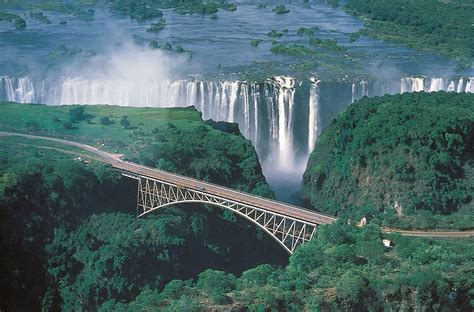
Waterfall Archetypes and Their Meanings
In the personal mythology of a modern life, the Waterfall may symbolize the necessity of catharsis. We are taught to manage our feelings, to keep them at a steady, navigable flow. The Waterfall suggests another way: a periodic, necessary plunge. It is the archetype of overwhelming, expressed emotion, not as a character flaw, but as a vital, cleansing force.
The Waterfall is also a potent symbol of unstoppable, irreversible change. It is not the gentle, meandering transformation of a quiet river; it is a sudden, dramatic, and permanent shift in the landscape of the self. It embodies the duality of beauty and danger, of creation and erosion. A waterfall is a thing of awesome beauty, a spectacle of nature’s power.
Yet this beauty is a product of a violent process. It erodes the very rock that gives it form, relentlessly wearing away its own foundation to continue its flow. To become more yourself, you may have to wear away at the bedrock of old beliefs, habits, and even relationships.
The Waterfall exists in an eternal, dynamic relationship with the archetype of Stone. The Waterfall’s relentless flow seeks to erode, shape, and polish the Stone, while the Stone provides the Waterfall its very form, its precipice, its reason to plunge. The Reservoir is the calm potential, the vast, still body of what could be. It represents stored energy, contained emotion, and untapped knowledge.
Read also: Understanding anemia spiritually
The Waterfall is the moment the Reservoir’s potential is unleashed, the point where stillness becomes a roaring cascade. The Mist is the ethereal offspring of the Waterfall’s power, born from the violence of the plunge. It represents the subtle, atmospheric consequences of a great release.
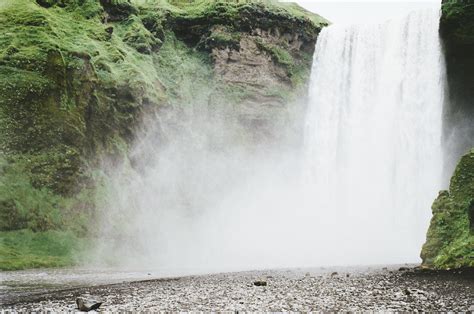
Spiritual and Cultural Significance
In literature, water is frequently a symbol of change and is often present at turning points. In most cultures, it is a sign of life. In Classical Chinese painting, the waterfall has frequently been an element which in opposition to the rock represents yin and yang and is considered the symbol of impermanence as opposed to changelessness.
The ancient Greek philosopher, Heraclitus, was inspired to ruminate on the waterfall as the continuos evolution of beings. Waterfalls also represent unharnessed elemental motion, the force-fields which one needs to master and control to one's spiritual benefit.
The waterfall is also seen as a symbol of permanence of form despite change of content. In the Judeo-Christian tradition a waterfall can symbolize the insistence of intentions, exceptional career luck, invitation to delight the observer. In Hinduism, water generally has a special place as it is considered to have spiritual cleansing powers and is sacred. The waterfall symbol in particular can mean that severe disappointment will make you wiser.
In Islam the waterfall symbol can mean focus on an important decision, but the focus has to be clear. In Japan in the Shinto tradition, waterfalls are held as sacred and standing under them is believed to purify.
Read also: Light Blue: Calmness and Healing
In Buddhism, "Waterfall" symbolizes a natural boundary, separating the ordinary world from the sacred. In Hinduism, a waterfall symbolizes a sacred natural formation, embodying purity and beauty. Waterfalls are celebrated both for their aesthetic features and their esteemed status in religious texts.
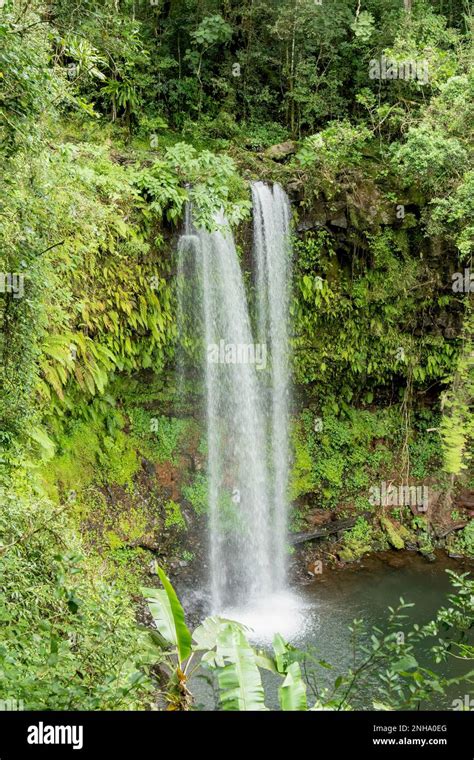
Biblical Interpretations
While the Bible does not explicitly mention waterfalls, the imagery of cascading waters can be inferred from various scriptural passages that describe the power and majesty of God's creation. Waterfalls, as part of the natural world, can be seen as a testament to the grandeur and creativity of the Creator.
In the Bible, water often symbolizes life, purification, and the presence of God. The imagery of rushing or cascading waters can evoke the overwhelming power and majesty of God. The natural world, including features like waterfalls, is frequently used in the Bible to illustrate God's power and majesty.
Waterfalls can also symbolize spiritual refreshment and renewal. The force and power of waterfalls can also be seen as a metaphor for God's judgment and might.
Personal Transformation and Release
When emotions build to an unbearable pressure, the Waterfall archetype offers a path not of suppression, but of release. You might visualize yourself as the cliff’s edge, allowing the pent-up feeling to pour over not as a destructive flood, but as a cleansing cascade. Facing a monumental life change, such as a career shift or the end of a long-term relationship, can feel like being pushed towards a precipice.
Read also: Explained: Spiritual Blessings
The Waterfall archetype reframes this terror as transformation. This is the defining act of drama and transformation. If the Waterfall is a central feature of your personal mythology, your life story may not be a linear progression but a series of dramatic plunges.
Your personal myth might also be built around a central theme of purification. Life, in this story, is a process of accumulating emotional sediment, the mud and silt of daily experience. The purpose of your journey is to find or create waterfalls: moments of intense emotional expression and release that cleanse the spirit.
You may perceive yourself as a force of nature: potent, emotionally expressive, and fundamentally untamable. Your self-image is likely tied to a state of constant flux and transformation. Alternatively, you could feel perpetually on the brink of a collapse or a release. You may recognize the immense power you carry but also fear its lack of control.
Your worldview may be shaped by the conviction that the world operates not through gradual evolution, but through a series of dramatic, powerful shifts. This perspective may lead you to embrace crises, not as disasters, but as necessary and potent opportunities for transformation.
This might cultivate a perspective that values experiential and emotional intensity above all else. True vitality is found in the roar of the fall, not the quiet of the gentle stream. This worldview could lead to a life of adventure, risk-taking, and deep feeling, always seeking the next point of transformation.
Calming Waterfall Sounds with Soft Music • Deep Relaxation & Inner Peace & deep sleep relaxing sound
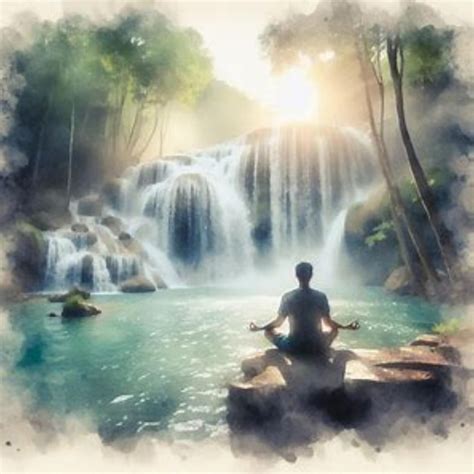
Relationships and Emotional Dynamics
In relationships, you may be a catalyst for profound transformation. You might bring a powerful, cleansing, and sometimes overwhelming emotional energy to your connections. You may form deep bonds through shared vulnerability and catharsis, feeling closest to others in moments of great emotional release.
Others may find your emotional power to be erosive, wearing them down over time. You may feel that your role in any group, be it a family, a workplace, or a community, is to be the agent of necessary change. This role can also be profoundly isolating.
Dreams and Physiological Needs
When a waterfall appears in a dream in a positive context, roaring with clear, sparkling water under a bright sky, it may signify a profound spiritual cleansing or emotional release. Conversely, dreaming of a muddy, raging waterfall, or of being swept over its edge against your will, often points to a feeling of being completely out of control.
From a mythological perspective, your physiological needs might center on release. There may be a deep, bodily imperative for regular, powerful discharge of energy. Stagnation could feel like a physical illness, manifesting as lethargy, tension, or a sense of being trapped in your own skin. Your nervous system could be attuned to a baseline of high energy, a constant hum of potential ready to convert into action.
Safety, Self-Esteem, and Shadows
Your sense of safety may be paradoxically linked to flow rather than stability. A predictable, static environment might feel profoundly unsafe. True security, for you, is the freedom to move, change, and express yourself without catastrophic containment.
Your self-esteem may be directly tethered to your impact on the world. It rises when you see your power creating positive change. Conversely, your esteem can be fragile, highly dependent on the consequences of your flow.
The shadow of the Waterfall emerges when the release becomes an addiction. This is the archetype of the drama-creator, the agent of chaos who manufactures crises simply to feel the rush of the plunge. The other side of the shadow is the dammed waterfall. This is the individual who, terrified of their own emotional magnitude, dedicates their life to containing it.