Hands, often overlooked, are powerful symbols across cultures and religions, embodying a wide range of meanings from divine power to human connection. From ancient amulets to modern spiritual practices, hand gestures and representations carry deep significance.
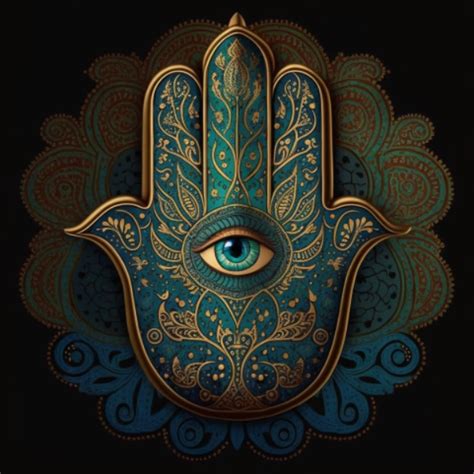
The hand, particularly the open right hand, is a sign of protection that also represents blessings, power, and strength, and is seen as potent in deflecting the evil eye. Across cultures, hand symbolism is rich and varied, and most agree that what you do with your hands can have a great impact on mind, body, and spirit.
Non-verbal cues like a simple hand gesture can recharge and focus your energy.
Hands in Religious Contexts
Religious art carries meaningful repetition. Do you recognize this symbol? This hand position is used during the mass by the priest to give blessing, and in the tradition of raising hands in favor. This position is a blessing and represents Trinitarian love.
Biblical Symbolism
In the Bible, hands are rich with symbolic meaning, often representing power, action, possession, and blessing. The use of hands in Scripture conveys a wide range of theological and moral truths, reflecting the divine and human interaction in the biblical narrative.
Read also: Interpreting Blood Dreams
Creation and Power
The hand of God is frequently depicted as a symbol of divine power and creative authority. In Genesis 1:1, while the act of creation is spoken into existence, the imagery of God's hand is implied throughout Scripture as a metaphor for His sovereign power. Isaiah 48:13 states, "Indeed, My own hand laid the foundation of the earth, and My right hand spread out the heavens; when I summon them, they stand up together." Here, the hand signifies God's omnipotence and His role as Creator.
Guidance and Protection
The hand of God also symbolizes guidance and protection. In Psalm 139:10, the psalmist declares, "Even there Your hand will guide me; Your right hand will hold me fast." This imagery reassures believers of God's constant presence and His protective care over His people. Similarly, in Exodus 15:6, the hand of God is celebrated for its deliverance: "Your right hand, O LORD, is majestic in power; Your right hand, O LORD, has shattered the enemy."
Judgment and Discipline
Conversely, the hand of God can represent judgment and discipline. In the book of Daniel, the mysterious hand that writes on the wall during Belshazzar's feast (Daniel 5:5) serves as a divine warning of impending judgment. The hand here is a symbol of God's authority to execute justice and hold individuals accountable for their actions.
Blessing and Consecration
In the context of blessing, hands are used to convey favor and consecration. The laying on of hands is a significant ritual act in both the Old and New Testaments. In Genesis 48:14, Jacob crosses his hands to bless Ephraim and Manasseh, signifying the transmission of blessing and inheritance. In the New Testament, Jesus often uses His hands to heal and bless, as seen in Mark 10:16: "And He took the children in His arms, placed His hands on them, and blessed them."
Service and Labor
Hands also symbolize human labor and service. Ecclesiastes 9:10 advises, "Whatever your hand finds to do, do it with all your might." This verse underscores the importance of diligence and the use of one's abilities in service to God and others. The hands are instruments through which individuals fulfill their God-given purposes and responsibilities.
Read also: Decoding Common Dreams
Purity and Innocence
The washing of hands is a biblical symbol of purity and innocence. In Psalm 24:4, the psalmist describes those who may stand in God's holy place as having "clean hands and a pure heart." This imagery emphasizes the moral and spiritual cleanliness required to approach God.
Fellowship and Unity
In the New Testament, the giving of the right hand of fellowship, as mentioned in Galatians 2:9, symbolizes unity and agreement among believers. The hand extended in fellowship represents mutual acceptance and partnership in the mission of the Gospel.
The Hamsa Hand: A Universal Symbol
The hamsa (or khamsa) hand is an important cultural, religious, and spiritual symbol across multiple religions worldwide. One unique aspect of the hamsa hand symbol is just how broad its reach is. Most religious symbols are fairly exclusive to that religion, but the hamsa hand has spiritual meaning in many major religions.
Hamsa Hand Meaning- Hand of Fatima. Origins, religions, history, symbology
The hamsa is depicted as a single hand with the palm facing out. It’s often depicted with thumbs on both sides but can also be depicted in an anatomically correct manner with a pinky and thumb. The word hamsa derives from the Hebrew khámsa and Arabic ḵamsa, which both translate to “five.” Besides having five fingers, the hamsa hand symbol usually has an eye in the palm called the “evil eye,” which comes with its own significance.
Read also: Understanding Mercy as a Gift
Historically, the hamsa has predominantly appeared in the Middle East and North Africa. The earliest known hamsa hand depiction dates back to ancient Mesopotamia (present-day Iraq) roughly 2,000 years ago, where it was seen in amulets adorning the Mesopotamian goddess Inanna (or Ishtar). The hamsa hand likely spread from Mesopotamia to Egypt, adapting into a two-finger talisman called the Mano Pantea (meaning “Hand-of-the-All-Goddess”) representing the ancient Egyptian gods Osiris and Iris.
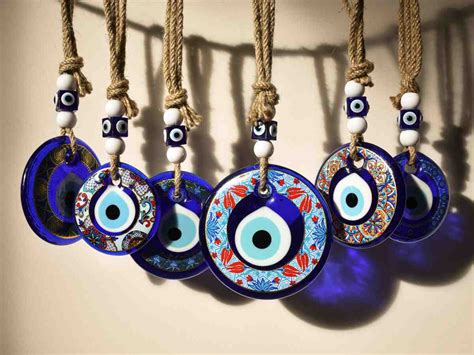
Eventually, ancient Sephardic Jews in the Iberian Peninsula adopted the hamsa, renaming it the “Hand of Miriam.” The hamsa hand is not exclusive to one religion. However, it’s most closely associated with religions that originated in the Middle East like Islam and Judaism. Other religions have adopted the hamsa as a spiritual symbol, even calling it by different names:
- Hamesh: This is the Hebrew word for “five.”
- Hand of Fatima: In Islam, the Hamsa symbol is named after Fatima, the daughter of Muhammad, the Prophet and founder of Islam.
- Hand of Miriam: In Judaism, Hamsa symbolizes the Hand of God and is named after Miriam, the sister of Moses.
- Hand of Mother Mary: In Christianity, this symbol is named after Mother Mary, Jesus Christ’s mother.
Meanings Across Religions
In Islam, the hamsa is often used to ward off the evil eye, which is warned about in the Qur’an. Another interpretation is that it represents the hand of the prophet Muhammad or his daughter Fatima, symbolizing resilience, empathy, and benevolence. The five fingers can also represent the Five Pillars of Islam.
In Judaism, the hamsa, or hamesh, is also interpreted as protection from the evil eye. Ancient Sephardic Jews called it the “Hand of Miriam,” after the sister of Moses and Aaron. The five fingers can represent the five books of the Torah.
In Christianity, particularly in the Levant, the hamsa is called the “Hand of Mary” or the “Virgin Mary’s Hand,” representing humility, commitment to faith, and generosity.
In Buddhism and Hinduism, the hamsa represents chakra energy flow, mudras, and the five senses. It is associated with energy healing and balancing the body's energy flow through the seven chakras.
Native American Symbolism
Symbolism is intrinsic to Native American culture and tradition and it is strongly featured in designs of Native American jewelry, especially Hopi Indian silver jewelry. The open hand is a symbol that has been used in diverse cultures all over the world for thousands of years.
Also known as the Hopi Hand or Shaman’s Hand, this universally recognized symbol features a solid hand with its palm facing out and a spiral on the palm. Symbolizing eternity and the path of human existence on Earth, the symbol was believed to carry the therapeutic energy and healing powers of the tribe’s Shaman (Medicine Man). Specifically, the hand itself represents healing and blessings. The spiral on its palm represents the Universe and eternity.
As ancient Hopi clans travelled the landscape to find their home, they left Hand petroglyphs on rock cliffs, caves, and walls along their route to mark their physical progress, their ongoing quest for their place, and their spiritual connection to the land.
Mudras: Hand Gestures in Meditation and Spirituality
Mudras are symbolic hand gestures or positions used in Buddhist and Hindu practices to channel energy and promote specific states of mind. They are often used in meditation, yoga, and breathing exercises.
There are five categories of mudras: Yogic, customary, spiritual, curative, and religious. Based on the ancient Indian healing system, Ayurveda, mudra’s premise is that our bodies are made of five elements: Agni (fire), Vayu (air), Aakash (space), Pruthvi (earth), and Jal (water).Your mudra hand represents these elements, with the thumb meaning fire, the index finger meaning air, middle fingers tied to space (the sky), the ring finger representing earth, and the pinky finger linked to water. Using each in the right balance can prevent illness and disease, and help with your emotional well-being.
Here are some frequently used mudras:
| Mudra Name | Description | Meaning |
|---|---|---|
| Gyan Mudra (Knowledge) | Touching the tip of the thumb with the index fingertip, other fingers straight, palm facing upward. | Insight, concentration, knowledge-building, memory, stress reduction, focus improvement. |
| Abhaya Mudra (Fearlessness) | Hand upheld as if saying "hello" or "stop." | Rids you of fear and protects you from negative energy. This hand position is intended to bring you peace, calm, and reassurance. |
| Apana Mudra (Detoxification) | Tips of the middle and ring fingers touching the thumb tip, while the index and small finger point upward. | Strengthens your heart and improves the flow of your detoxification system. |
| Vitarka Mudra (Teaching) | Thumb touching the index fingertip, other fingers standing up, palm facing forward. | Promotes personal growth, learning, and development. |
| Buddhi Mudra (Perception) | Pinky finger and thumb together at the tips, pressing lightly to "seal" them. | Enhances spiritual connection, makes thoughts flow freely, and takes you to a higher level of consciousness. |
| Anjali Mudra (Namaskara/Namaste) | Palms together near the heart chakra, ends of pinky fingers and thumbs touching. | Promotes mutual respect for others, love and compassion. |
| Dhyana Mudra (Enlightenment) | Right hand cradled in the left hand, resting on your lap, palms face upward, thumbs arched and touching. | Symbolizes grounding and an awakening of your consciousness. |
| Bhumisparsha Mudra (Earth Touching) | Hand rests pointing downward, appearing to touch the soil. | Represents enlightenment and spiritual awakening. |
| Vayu Mudra (Flowing Air) | Holding your hand up, facing forward, and pinning the tip of the index finger under the pad of the thumb, while the other three fingers remain erect and upright. | Regulates air in the body, relieving pain, supporting skin health, and reducing stress and anxiety. |
The Hand in Art and Communication
Hands add emotion for dancers, singers, mimes, in addition to general semantic meaning for the deaf or hard of hearing communities. Yet, gestures have also had specific meanings for various groups which go beyond the common index finger pointing for “look there” and the middle finger for “you frustrate me.” Christian clergy, practitioners of Hindu mudras, palm readers, and professional Greco-Roman speakers-among many other peoples-all have specific meanings for very specific gestures used in art.
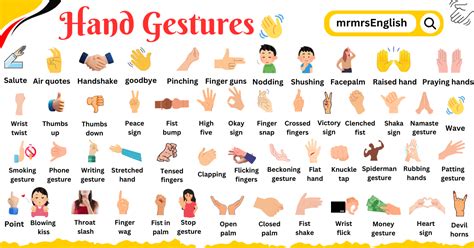
Famous Roman orators, Marcus Tullius Cicero (106-43 BCE) and Marcus Fabius Quintilian (35-100 AD) both record that effective rhetorical delivery covers both enunciation as well as gesticulation of the hands-the latter coming to be called Chironomia. It makes sense that there would be common gestures for speakers and leaders to communicate across great crowds. For meaning to endure across centuries, gestures would have had to be recorded, taught, and used in a consistent manner even as a part of a commoner’s daily life.
Christian clergy today attempt to shrug off the various gestures in religious paintings as all simply “blessings.” Yet, why would artists bother creating different gestures if they did not have different meanings?