Pixar's "Inside Out" is more than just a visually stunning and emotionally resonant film; it delves into profound spiritual themes that resonate with audiences of all ages. The movie, which gives personalities to the emotions inside the mind of an 11-year-old girl named Riley, offers a unique perspective on the human experience. It explores the complexities of growing up and learning what it truly means to be human.

The Importance of Sadness
One of the central themes of "Inside Out" is the reconciliation of joy and sadness. The film masterfully portrays the danger of avoiding sadness and exhausting joy. It challenges the cultural drive to secure emotional happiness at all costs, often avoiding or ignoring obstacles that could hinder it.
As the story unfolds, we witness a necessary "growing up" that reveals not only the benefit of sadness but also the inescapable need for it to allow a deeper sense of richness in our lives and, paradoxically, a more lasting joy. The merging of these two emotions serves as a reminder of the way of discipleship.
In the film, Joy initially attempts to keep Sadness away from Riley's "core memories." However, as the narrative progresses, it becomes evident that sadness is a crucial component of Riley’s emotional well-being. This is exemplified in a poignant scene where Bing Bong, Riley’s imaginary friend, is inconsolable after losing his precious rocket wagon.
Joy tries to cheer him up, but it is Sadness who truly comforts him by simply allowing him to cry. This scene highlights the importance of acknowledging and experiencing sadness, which can lead to greater clarity and emotional resilience.
Read also: Understanding anemia spiritually
The film suggests that lasting joy will not come in this life. We can experience great joys, pleasures, and happiness, yet even these are tinged with sadness and loss as we age and accept that things will never be quite the same. This understanding aligns with a Christian worldview that acknowledges the fallen nature of the world and the promise of ultimate restoration in the future.
Embracing the Full Spectrum of Emotions
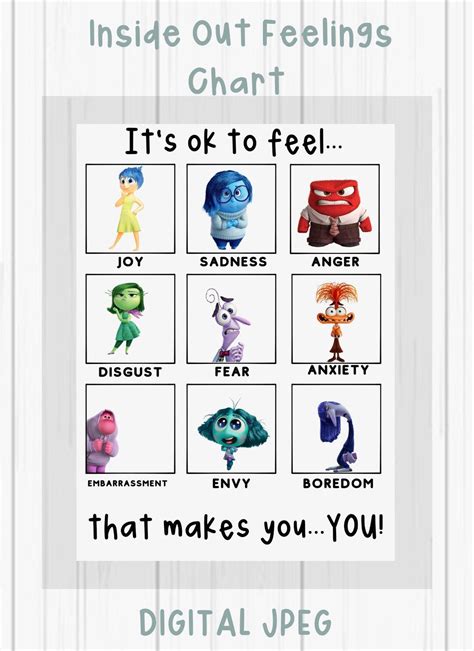
The film follows the manifestations of five emotions-Joy, Sadness, Fear, Disgust, and Anger-in Riley's mind. These emotions dwell in her mind’s "headquarters," a control room where they manage Riley’s emotional states. Initially, Joy leads the team with her effervescent demeanor and optimism.
However, as Riley faces hardships, such as moving to a new city and feeling isolated, Sadness begins to touch her "core memories," altering them from joyful to sad. This leads to a struggle between Joy and Sadness, ultimately leading them both outside of headquarters.
Allowing ourselves to experience unpleasant emotions can lead to greater clarity of vision with respect to our experiences, relationships, and life in general. Of course, such an indulging in a negative, healthy emotion-as opposed to unhealthy ones such as clinical depression or distorted thinking-for the sake of clarity and reflection must be done to a measured and healthy degree.
Spiritual and Emotional Maturity
Inside Out: Guessing the feelings.
In "Inside Out 2", which I took my kids to see on opening week, the main character, 13-year-old Riley, wrestles with what seems like contrasting parts of her personality-her goodness, her kindness, her compassion towards her friends and her jealousy, her shame, and her anger. This is a beautiful spiritual insight. The first book of the Bible, Genesis, declares that when God created humanity, God called us “very good” (see Genesis 1:31). God created men and women in his divine image, blessed us and gave us purpose (see Genesis 1: 26-31). But we also know that isn’t the whole story. Genesis 3, just a few pages later, reveals that humanity “fell” from that goodness by choosing sin and disobedience. In that way, brokenness and pain, which includes emotional wounds and unhealth, crossed paths with our created goodness (see Genesis 3). But the good news is that when we place our faith in Jesus, his Spirit makes us new (2 Corinthians 5:17) from the inside out. Still, we are always in process. We exist as a paradox, broken and being healed, very good and sinful, struggling and deeply loved by God.
Read also: Light Blue: Calmness and Healing
In watching Riley’s coming of age, her parents struggle with the changes-developments that many teens go through-changes in mood, emotion, and reactivity. These ups and downs are deeply trying for Riley and her folks, and even some of Riley’s friendships. The book of James reminds us that it is through a challenge that God builds character and maturity in us.
Joy, Sadness, Anger, Fear, and Disgust-the original emotion/characters from the first Inside Out movie-struggle to let go of controlling Riley’s emotions. This is especially true when some of the more mature and nuanced adolescent emotions move into Riley’s “Control Center"- emotions like Anxiety, Ennui, Embarrassment, and Envy. They struggle to understand what is going on, what these changes mean, and what their place is in Riley’s coming-of-age. As the movie progresses, they learn to make peace with the other emotions and learn to let go of control (literally, surrendering the control center in Riley’s brain!). Proverbs 3: 5-6 reminds us to, “Trust in the Lord with all your heart and lean not on your own understanding; in all your ways submit to him, and he will make your path straight.” Letting go and trusting God when things feel out of control leads to peace and clarity. But clutching frantically, trying to control what we can’t, only leads to more agony.
The Gift of Community and Friendship
Outside of Riley’s “control center,” a story revolves around Riley’s friend group. What the inside emotions experience, and what Riley learns in the outside world, is that we need friends and community to carry us through difficult seasons. Proverbs 17:17 says, “A friend loves at all times, and a brother is born for adversity.”
In other words, true friends stick through all kinds of hard seasons and help each other in trouble. This is why being part of the church community is so important; we need each other to grow in our faith, health, and the gifts of deep friendship.
God's Presence in Every Emotion
God works in and through every human emotion, even the ones we fear or don’t like. They contain information for us. If we can stay curious, open, non-critical, and inquisitive toward our emotions, we can learn how God designed our emotions to teach us and help us. The book of Psalms is a beautiful example of a book of the Bible that spans the depths of every human emotion - rage, sorrow, joy, and more.
Read also: Explained: Spiritual Blessings
We learn from the Psalms and throughout the Scripture that we are invited to share all of our emotions with God; God is not afraid of them or turned off by them. God wants our whole hearts-so that means he wants to care for each of our feelings, no matter how confusing or big or scary they may seem to us. Our emotions don’t intimidate God or change God’s love for us.
The way we talk to one another matters almost as much, if not more, than what we are saying. Proverbs 16: 24 says something similar, “Gracious words are a honeycomb, sweet the soul and healing to the bones.” Because we were made in God’s image, and because when God speaks, life happens (see Genesis 1 again), when we speak, our words have power. And the way we speak them, the tone we use, and the words we choose can bring healing to another’s soul or can destroy a relationship.
There’s a moment in Inside Out 2 when the original emotions hop on a makeshift boat floating down a river in Riley’s mind. It’s a small part of the film but profound in its simplicity-a group of friends, a team, are on a mission together to help Riley in her hour of need. It’s a beautiful picture of what God calls the church to be and do for one another-carry each other’s burdens. Weep with those who weep. Rejoice with those who rejoice. Live in harmony with one another. (see Romans 12:15-16). In so doing, we show each other a genuine version of love and emotional health.
The Importance of Emotional Intelligence
Many of us are unable to read our feelings, manage our emotions, or create emotionally rich intimate relationships. We lack emotional intelligence. We can explore the farthest reaches of the universe and split the atom but we still are taken aback when forced to deal with our own or others' emotional storms.
In the opening scene, this question is asked: "Do you ever look at someone and wonder what is going on inside their head?" That is the kind of question we need to ask ourselves every day, especially those of us on a spiritual path. That’s what’s so compelling about this movie. Inside Out is sort of a neo-allegory of what we experience in life.
Conclusion
Pixar’s "Inside Out" offers a profound exploration of the human experience, touching on themes of emotions, sadness, joy, and the importance of community. Through its engaging narrative and relatable characters, the film invites audiences to reflect on their own emotional landscapes and the spiritual dimensions of their lives.
By embracing the full spectrum of emotions and recognizing the value of each one, we can move towards a more complete and meaningful understanding of ourselves and our relationship with God.